
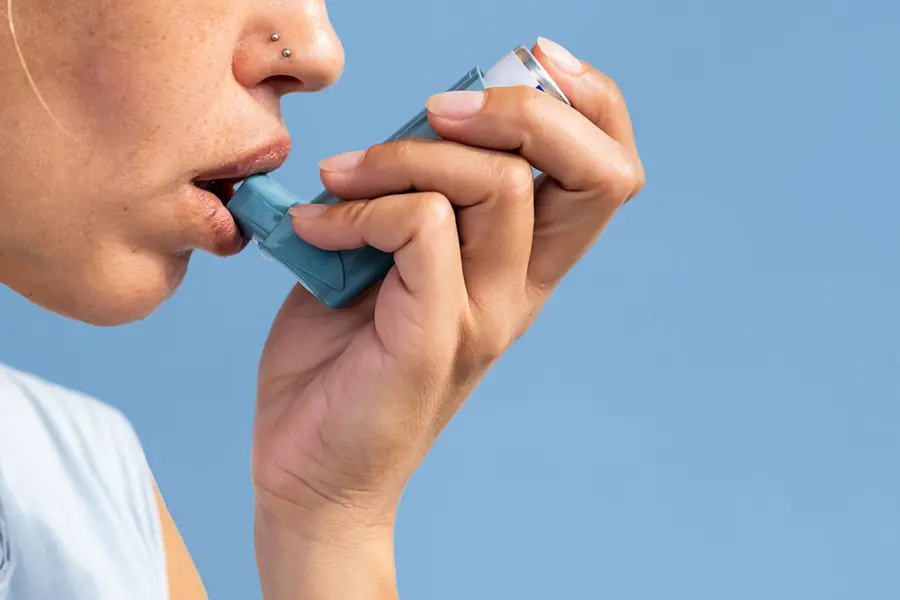
A recent study has revealed that while early menopause is known to be harmful to women's health, experiencing menopause later in life can actually increase the risk of asthma. The research, published in the journal 'Menopause', highlights important differences in asthma prevalence and severity between men and women.
Understanding the link between hormones and asthma
Asthma affects over 300 million people worldwide, and studies have suggested a link between the disease and sex hormones.
Interestingly, adult-onset asthma is more common in women than in men, whereas boys are more likely to have asthma during childhood. After puberty, however, the trend shifts, with girls showing higher rates of asthma. Additionally, women often experience more severe symptoms and are less likely to see their asthma improve.
Study findings on menopause and asthma risk
The study found that women who go through menopause at an earlier age (between 40 and 44 years) are at a lower risk for developing asthma. In contrast, women who experience menopause later face a heightened risk. Researchers discovered that women using hormone therapy had a 63 percent increased risk of asthma. Moreover, those who discontinued hormone therapy were twice as likely to stop their asthma treatment.
Expert insights on women’s health
Dr. Stephanie Faubion, medical director for The Menopause Society, emphasised the study's findings, stating, “This study highlights sex-based differences in asthma, with women at a greater risk than men in adulthood.” She further urged healthcare providers to monitor women who experience menopause later for any asthma symptoms.
The study also indicated that a higher body mass index (BMI) is a risk factor for women, but not for men. This is because excess fat in the body produces estrogen, which may contribute to asthma risk.
This study is based on ten years of follow-up data from over 14,000 postmenopausal women, providing a robust analysis of the relationship between menopause and asthma risk.
Published: 30 Oct 2024, 04:22 pm IST
Related Topics
Disclaimer: Kindly avoid objectionable, derogatory, unlawful and lewd comments, while responding to reports. Such comments are punishable under cyber laws. Please keep away from personal attacks. The opinions expressed here are the personal opinions of readers and not that of Mathrubhumi.
