
CD4 testing can also help identify treatment failure when viral load testing is unavailable, assess eligibility to stop co-trimoxazole prophylaxis, and determine eligibility for fluconazole prophylaxis, the WHO said.
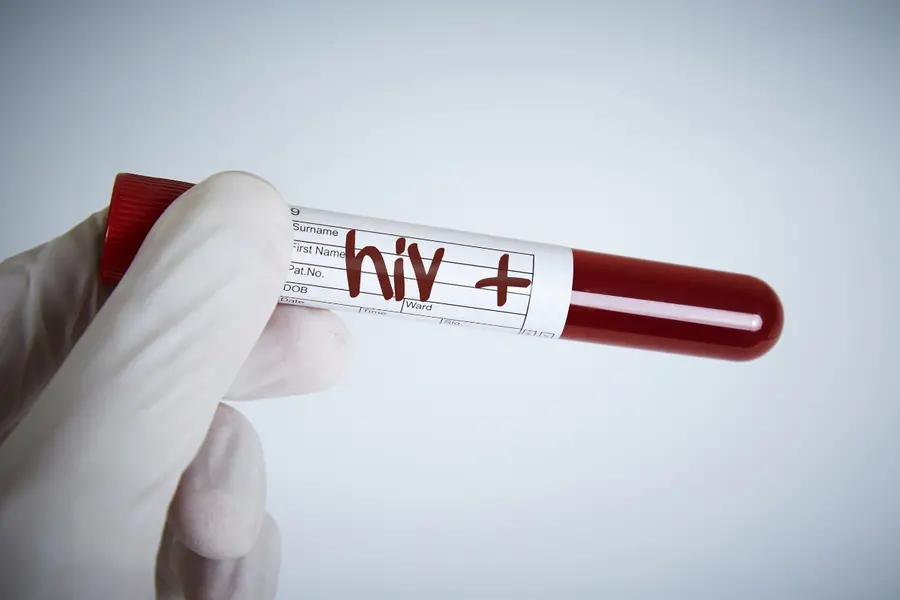
New Delhi: The World Health Organisation (WHO) has strongly recommended CD4 testing as the preferred method to identify advanced HIV disease among people living with HIV, as part of its newly released 2025 guidelines.
The WHO defines advanced HIV disease in adults, adolescents and children aged five years and older “as a CD4 cell count less than 200 cells/mm3”.
“Advanced HIV disease is the major cause of AIDS-related deaths among people living with HIV. It is a serious public health issue, including in settings with good coverage of HIV testing and treatment, and despite having achieved or made good progress towards the 95–95–95 targets,” the WHO said.
Under the guidelines, all children living with HIV who are younger than five years should be considered as having advanced HIV disease at presentation, unless they have received antiretroviral therapy (ART) for more than one year and are clinically stable.
“The 2025 guidelines respond to the need for better approaches to identify advanced HIV disease, improve the poor outcomes of people living with HIV being discharged from hospital,” the WHO said.
The UN health body said CD4 testing should be used to identify advanced HIV disease among people living with HIV who are initiating or reinitiating ART, re-engaging in care after disengagement, experiencing treatment failure or clinically identified treatment failure, or who are hospitalised, seriously ill or clinically unstable.
However, the WHO noted that “in settings in which CD4 testing is not yet available, WHO clinical staging can be used to identify advanced HIV disease”.
CD4 testing can also help identify treatment failure when viral load testing is unavailable, assess eligibility to stop co-trimoxazole prophylaxis, and determine eligibility for fluconazole prophylaxis, the WHO said.
The guidelines also highlight the need for improved care for hospitalised people living with HIV. Such patients may be provided interventions to support transitions to outpatient care and reduce avoidable readmissions, including pre-discharge goal setting, medication review, transitional care planning, telephone follow-up, home visits by healthcare providers or peer supporters, and individualised support.
In addition, the WHO suggested paclitaxel or pegylated liposomal doxorubicin for the pharmacological treatment of people living with HIV who have Kaposi’s sarcoma, a rare cancer that develops in the lining of blood and lymph vessels.
“These guidelines also emphasise early detection, rapid ART initiation, and optimised clinical management to reduce morbidity and mortality,” the WHO said.
“By implementing these recommendations, countries can reduce progression to severe illness and mortality, improve treatment outcomes, and advance global HIV elimination goals,” it added.
Published: 23 Dec 2025, 05:32 pm IST
Related Topics
Disclaimer: Kindly avoid objectionable, derogatory, unlawful and lewd comments, while responding to reports. Such comments are punishable under cyber laws. Please keep away from personal attacks. The opinions expressed here are the personal opinions of readers and not that of Mathrubhumi.
