
If you often wake up multiple times during the night, your body could be signalling that something isn't right
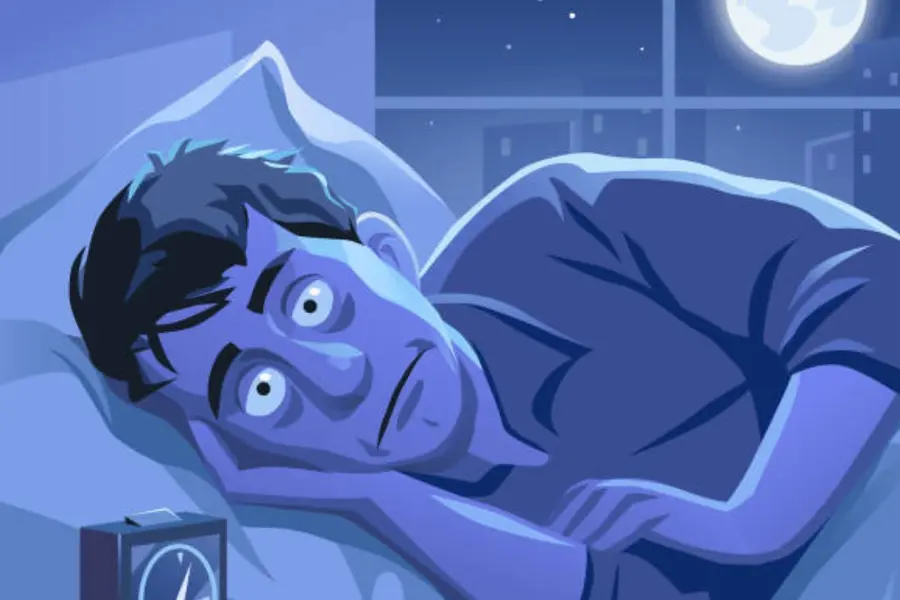
Many people struggle with falling asleep or find themselves waking up frequently at night. While it might seem like a small inconvenience, experts warn that such sleep disturbances can be your body’s way of raising a red flag.
According to sleep specialists, several factors can lead to broken or disturbed sleep. These include emotional triggers like stress and anxiety, physical conditions such as acid reflux, asthma, or frequent urination, and lifestyle habits such as poor sleep hygiene, erratic schedules, and overuse of electronic devices before bedtime.
Hormonal fluctuations—particularly during menstruation or menopause—can also significantly disrupt sleep, especially in women. Caffeine consumption late in the day, certain medications, or eating heavy meals close to bedtime are also common culprits.
“Sleep is essential for the body to reset and repair,” say experts. “Frequent night waking prevents this natural process and can lead to mental and physical exhaustion.” Over time, this can lead to chronic fatigue, mood changes, irritability, and even more serious health complications.
Experts stress that if you’re unable to sleep soundly, it may not simply be a case of a bad night. It could point to a deeper imbalance. Sleep health should be taken seriously, as it's tied closely to overall wellbeing, including immune function, mental health, and cognitive performance.
Here are a few ways to improve your sleep hygiene:
- Stick to a consistent sleep schedule: Go to bed and wake up at the same time daily, even on weekends.
- Avoid stimulants before bed: Cut back on caffeine, nicotine, and heavy meals in the evening.
- Create a restful environment: A dark, cool, and quiet bedroom helps signal your brain it's time to sleep.
- Limit screen time: Avoid phones, tablets, or computers at least an hour before bed.
- Manage stress: Practising relaxation techniques like deep breathing, meditation, or journaling can help.
Ultimately, while occasional sleep disturbances may be normal, persistent night waking should not be ignored. “Don’t dismiss these signs as minor issues that will resolve on their own,” experts advise. “If the problem continues, consult a medical professional to explore potential underlying causes and appropriate treatment.”
(Disclaimer: This article is for informational purposes only and is based on expert inputs and publicly available data. It is not a substitute for professional medical advice, diagnosis, or treatment. Always consult your healthcare provider for personalised medical guidance.)
Published: 03 Jun 2025, 11:47 am IST
Related Topics
Disclaimer: Kindly avoid objectionable, derogatory, unlawful and lewd comments, while responding to reports. Such comments are punishable under cyber laws. Please keep away from personal attacks. The opinions expressed here are the personal opinions of readers and not that of Mathrubhumi.
