
On World Mental Health Day, a look at the silent crisis affecting Kerala’s children
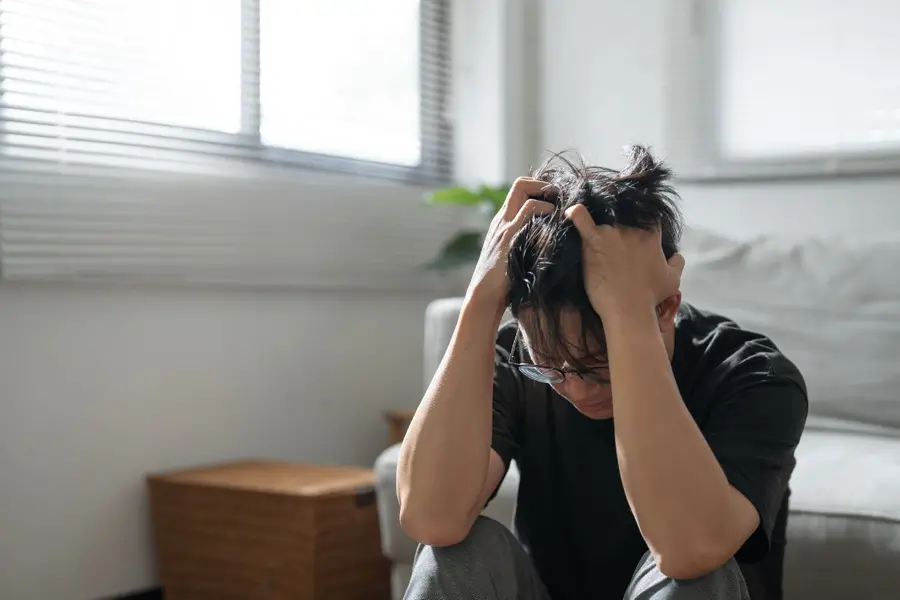
Few of us will have forgotten Mihir, the 15-year-old boy from Ernakulam who took his life allegedly after being subjected to heinous acts of bullying by his peers at school. Every other day, reports emerge of children of school-going age caving to family or academic pressures, being lured into online scams or substance abuse, or becoming victims or survivors of sexual abuse. Often, there seems to be a lack of understanding of the impact of one’s actions from the part of parents and teachers on the younger population, who are in most need of empathy and understanding at an age when their identity is taking shape. It is in this context that a day dedicated to mental health becomes a timely opportunity for reflection.
World Mental Health Day is observed on October 10 every year to bring about awareness regarding mental health issues, to ramp up efforts to address the same on a global level by reflecting on ways to improve accessibility of services to all. The focus of this year’s World Mental Health Day is “the psychosocial needs of people affected by humanitarian emergencies.” The aspiration is to create a world where the value of mental health is recognised and protected, and professional mental health services are made available to everyone, especially in times of adversity.
In Kerala, a state that boasts of high Human Development Indices (HDIs) and a robust healthcare system compared to the rest of India, the attention to mental health remains surprisingly inadequate, according to Dr Sreelal Aravindan, a clinical psychologist based in Thiruvananthapuram.
The data attests to this: over the past decade, the suicide rate among students in Kerala has doubled. Cases are aplenty among children as young as 9 or 14 years of age choosing to end their life due to reasons including academic pressure, bullying, and sexual abuse, compounded by feelings of alienation and lack of meaningful interpersonal relationships. Speaking to Mathrubhumi, Dr Sreelal opined that the spaces that historically existed for children to interact and pick up social skills, such as joint families, open playgrounds, and local libraries are fast dwindling, contributing to the mental health crisis faced by adolescents.
Dr Sreelal shared the challenges children face today, and the possible ways we can support them as a society. “In their childhood, children perceive the world through images, while the medium shifts to language as they gradually step into adolescence. Coupled with the hormonal changes they undergo in this period, children are largely reliant on their caregivers, teachers, and peers. They may not have the language to voice their feelings and experiences, especially if they do not have an elderly figure they can confide in and trust. This makes them vulnerable to a host of mental health issues brought about by exposure to digital media, sexual predators, cyberbullying, scams, and social isolation at home or school. In homes where both parents are working and children are advised to stay indoors for their own ‘safety’, can children be blamed for becoming overdependent on screens, apps, and video games? Experiences of alienation or abuse in spaces which are supposedly secure can scare people for life, with even elderly men unknowingly struggling from such consequences as a result of not receiving timely help and memories fading with time.”
Dr Sreelal emphasises that the dangers of overreliance on technology has crippled children of the faculty to think for themselves and differentiate between the good and the bad. The tendency of parents to hand even young children a phone to play with due to lack of time or inability to deal with tantrums introduces the risk of digital addiction early in their lives. He states that owing to this, childrens’ behaviour has become “robotic” and “pre-programmed”. Living in a highly polarised world where people are keen to label someone as “the enemy” and where misinformation is quickly becoming the norm over scientific facts, is impairing their chances of developing critical thinking and resilience, which are essential skills for a healthy and happy life. The “overprotectionism” or ignorance of parents adds to the problem.
When we speak of support and guidance, it becomes pertinent to think of who children receive support from. Dr Sreelal draws attention to who children choose as their models, when it comes to rising cases of substance abuse and violence among minors. If the person they look up to in the absence of a loving parent happens to be a drug addict, the children will automatically be initiated into drug use as well, or become exposed to a sexual predator. Therefore, when parents in nuclear families choose to deal with their stress about sending children out in pubic by confining them within their homes, they need to reflect on whether indoor spaces automatically equate to ‘safety’.
Rather than wait for a mental health illness to take root, we must anticipate the risks within the current social conditions and bolster our collective awareness towards strengthening our own and our childrens’ mental health. Parents and teachers, or the people who interact most with young children and adolescents, need to work on their own mental health so that their younger counterparts can learn critical skills like emotional regulation and handling adverse, stressful situations. Our willingness to listen, understand, and adapt become key in this context.
Another gap is regarding the ratio of reliable mental health professionals to the needy in the population, which is still too low and skewed, as is the budget allocated for the same. Counselling centres in schools, even when present, often take unscientific, counterintuitive approaches such as publicly talking about a child’s learning challenges, humiliating them in front of their peers rather than helping them overcome the challenge through private sessions which ensure confidentiality. Reflecting on his experience, Dr Sreelal expressed how actions such as suddenly withdrawing permission to participate in a cultural program or ostracising a student for securing low marks have a far deeper impact than elders may comprehend. Thus, despite the discussions and seemingly increased awareness surrounding mental health concerns in recent years, the situation on the ground proves that we may be collectively failing our children.
Compassion is the need of the hour. The fact that even minor children are resorting to suicide potentially means the absence of a listening ear in life’s most critical moments. Even as parents blame their young ones for their dependence on digital devices and social media, they need to reflect on what is causing them to resort to these devices so often in the first place. Do our children have someone who interacts closely with them, listens when they speak and actively tries to empathise and understand their needs and problems without trivialising their experiences, he asks. On this World Mental Health Day, he hopes for better government interventions and awareness regarding how we can be more supportive of our children so that they grow up to face the enormity of life’s challenges and uncertainties with confidence and resilience.
Published: 10 Oct 2025, 03:26 pm IST
Related Topics
Disclaimer: Kindly avoid objectionable, derogatory, unlawful and lewd comments, while responding to reports. Such comments are punishable under cyber laws. Please keep away from personal attacks. The opinions expressed here are the personal opinions of readers and not that of Mathrubhumi.
