
A UK-based doctor has issued a strong warning against indiscriminate use of beauty supplements, replying to claim one suffered organ failure from taking multivitamins
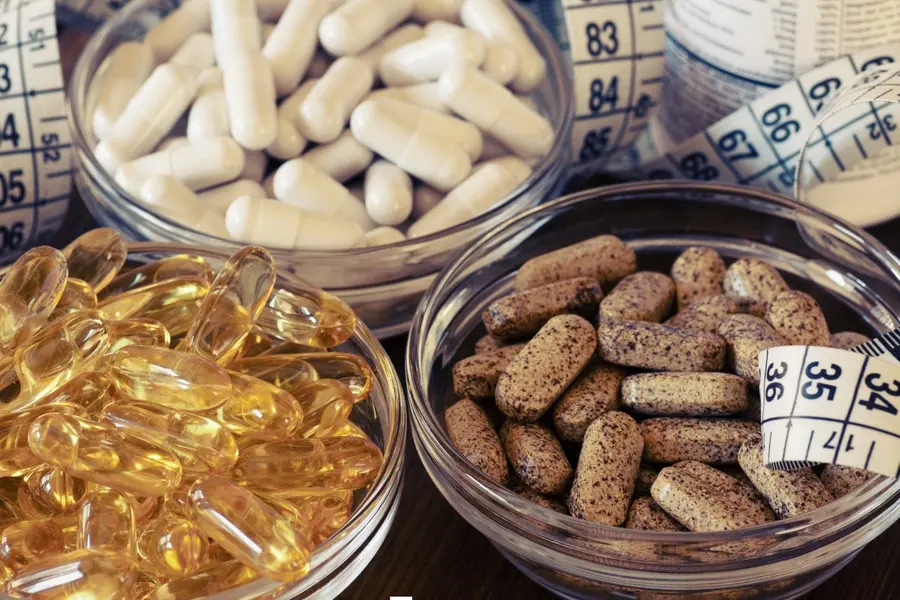
A viral Instagram video featuring a woman warning against hair, skin, and nail multivitamins has prompted a public health conversation, especially after she claimed they caused her hospitalisation due to organ failure.
Reacting to her experience, NHS surgeon and popular UK content creator Dr Karan Rajan posted a detailed video on 1 May, cautioning viewers against casual supplement use. While he admitted he uses certain supplements like omega-3 and psyllium husk, he explained that many supplements—natural or synthetic—are processed by the liver and can lead to liver injury when taken irresponsibly.
Dr Rajan emphasised that even over-the-counter or herbal supplements could strain liver function. “Don’t turn your liver into a science fair project,” he said, offering specific tips to minimise risk:
-
Refer to LiverTox, a trusted database on liver injury caused by drugs and supplements.
-
Look for third-party testing seals to verify capsule content.
-
Stick to clinical doses; more is not better.
-
Avoid overlapping ingredients when combining multiple herbal supplements to prevent unintentional drug interactions.
He also warned those on medications like statins or antidepressants to consult a pharmacist or doctor before starting any supplement.
The warning comes in response to a woman’s viral video where she described being hospitalised with organ failure after taking beauty multivitamins. “Do not take hair, nail, and skin multivitamins unless you want to end up like me in the hospital, yellow as a minion,” she said.
Dr Karan Rajan, a UK-based NHS doctor known for medical explainers on social media, addressed her claims by clarifying that while supplements aren’t inherently dangerous, their misuse is. He pointed out that most supplements are metabolised in the liver, and excessive or overlapping usage can stress the liver’s capacity.
To stay safe, he advised using the LiverTox database for red-flag supplements, looking for reputable quality seals, sticking to medically recommended doses, and checking for interactions with existing medications. He also warned against creating unverified supplement combinations, likening it to brewing a “pharmacological cocktail.”
His final advice: supplements can be beneficial when used wisely and with proper guidance, but unchecked usage can have serious health consequences.
(Disclaimer: This article is for informational purposes only. Consult a medical professional before starting or changing any supplement routine.)
Published: 03 May 2025, 01:51 pm IST
Related Topics
Disclaimer: Kindly avoid objectionable, derogatory, unlawful and lewd comments, while responding to reports. Such comments are punishable under cyber laws. Please keep away from personal attacks. The opinions expressed here are the personal opinions of readers and not that of Mathrubhumi.
