
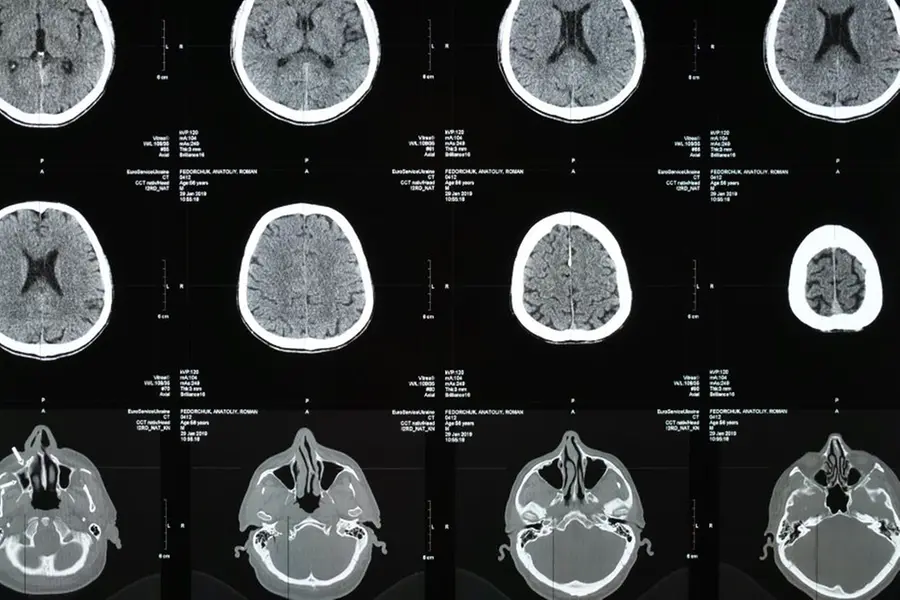
For people with Parkinson’s, even simple movements can become a daily challenge, but a potential breakthrough therapy may change that. A new stem cell therapy has shown early signs of success in treating Parkinson’s disease, with participants in an 18-month clinical trial experiencing visible reductions in tremors and improvements in motor function.
The treatment, developed by BlueRock Therapeutics and tested in a phase 1 clinical trial, involves injecting dopamine-producing neurons grown from human embryonic stem cells into the brain.
Published in the journal Nature, the trial—led by researchers at the University of California, Irvine, with centers in New York and Toronto—found the therapy to be safe 18 months after surgery, with some participants showing noticeable improvements in tremors.
A similar trial in Japan using a different type of stem cell reported comparable results. Experts say larger studies are now needed to confirm how effective the treatment truly is.
What is Parkinson’s disease?
Parkinson’s disease is a progressive brain disorder that affects movement, balance, and coordination. It happens when certain nerve cells in the brain stop working properly and gradually die—especially the ones that produce dopamine, a chemical that helps control movement. As dopamine levels drop, symptoms like tremors, stiffness, and slowed movement begin to appear. Over time, the disease can also affect mood, memory, and thinking.
While most cases appear in people over the age of 60, some rare cases can affect younger adults. There is currently no cure, and treatments mainly aim to manage symptoms through medications or surgical options like deep brain stimulation. Parkinson’s is the second most common neurodegenerative disorder after Alzheimer’s disease. It affects more than 10 million people worldwide, with over 1 million cases in the US alone. A recent study projected that by 2050, over 25 million people globally could be living with the disease—a 112 percent increase from 2021—highlighting the growing need for long-term solutions.
What is stem cell therapy and how does it work?
In a major breakthrough, scientists have developed a new stem cell treatment that targets the root cause of Parkinson’s disease: the loss of dopamine-producing brain cells. The therapy, created by BlueRock Therapeutics, uses human embryonic stem cells to grow new dopamine-producing neurons, which are then carefully transplanted into the brain.
In a small phase 1 clinical trial, published in Nature, 12 patients received these cell transplants. The main goal was to test whether the treatment was safe—but researchers also watched for early signs of improvement. After 18 months, some participants showed visible relief from movement-related symptoms like tremors, giving new hope for a treatment that might not just manage symptoms, but actually repair some of the brain’s damage.
Unlike current treatments, which focus on easing symptoms with medication or electrical stimulation, this new approach aims to rebuild the brain's damaged networks. If successful in larger trials, it could offer a long-term solution for people living with Parkinson’s.
What’s next? Challenges and outlook
While the early results from the stem cell trials are promising, they are just the beginning. Researchers are clear that larger and more comprehensive clinical trials are needed to confirm the long-term effectiveness and safety of the therapy. The current phase 1 trial, which focused primarily on the safety of the procedure, showed no major adverse effects and even some improvements in motor function. However, as with all experimental treatments, much remains to be explored.
In the coming months, the researchers will be expanding their trials, with phase 3 of the exPDite trial set to begin soon.
This next phase will test the treatment on a larger group of patients and provide a clearer picture of its potential for widespread use. Additionally, scientists are working on refining the technique, improving the precision of stem cell injections, and ensuring that the newly created dopamine-producing neurons continue to function as expected in the long run.
One of the biggest challenges will be ensuring that this therapy remains safe over time and that the body does not reject the transplanted cells. There is also the issue of accessibility—if the therapy proves effective, making it available to millions of people worldwide will require significant medical infrastructure and investment.
Despite these challenges, the research team remains optimistic.
“The concept of rebuilding brain networks lost to disease is compelling,” says Claire Henchcliffe, MD, one of the lead investigators of the study. If successful, this treatment could provide long-term relief and a new hope for those living with Parkinson’s disease.
Published: 21 Apr 2025, 08:00 am IST
Related Topics
Disclaimer: Kindly avoid objectionable, derogatory, unlawful and lewd comments, while responding to reports. Such comments are punishable under cyber laws. Please keep away from personal attacks. The opinions expressed here are the personal opinions of readers and not that of Mathrubhumi.
