
Peptides are everywhere in skincare, but do they really work? Here’s what research says about peptide serums, anti-ageing benefits and the growing peptide therapy trend
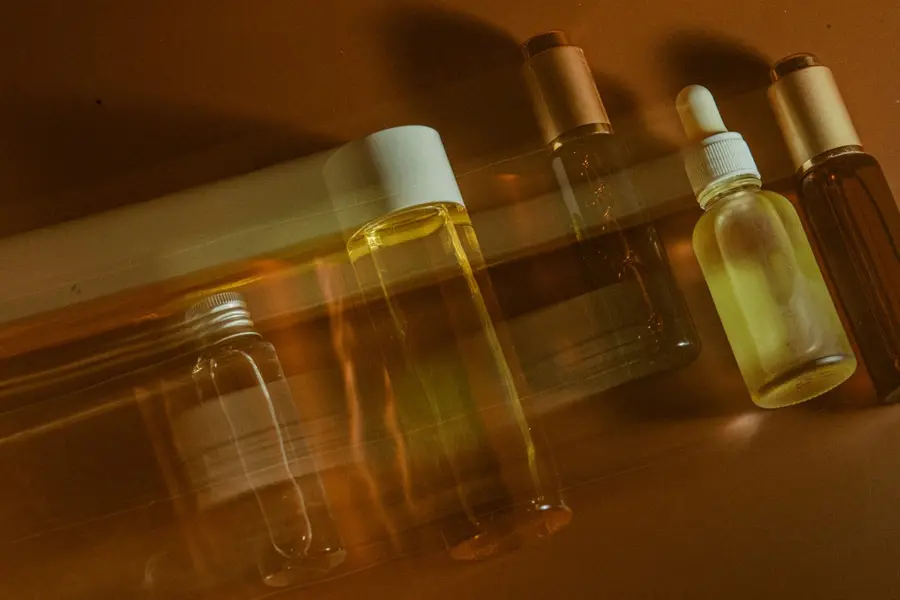
Peptides have become one of those skincare ingredients that seem to be everywhere. They are turning up in serums, creams and eye products, while the wider “peptide” trend has moved into clinics too, with injectable treatments and peptide therapies attracting attention. But, are peptides really worth the hype?
Why are peptides suddenly such a big deal?
Peptides are short chains of amino acids, which are the building blocks of proteins such as collagen and elastin.
In skincare, certain peptides are used because they may send signals involved in processes such as collagen production and skin repair. Different peptides, however, have different functions, so “peptide” is not a guarantee that a product will produce a particular result.
The interest makes sense. Collagen production naturally changes with age, while sun exposure and other environmental factors contribute to wrinkles, loss of firmness and uneven texture. Peptide skincare is often positioned as a gentler way of targeting some of these visible changes.
Also Read: The ultimate beginner's guide to skincare for men in India
A 2024 review of cosmeceuticals used for photoaged skin found that peptides have a relatively strong evidence base compared with several other cosmetic ingredients. At the same time, the review pointed out that earlier peptide research included a significant amount of laboratory and animal work, so not every claim made about a peptide serum has been proven in people.
So, do peptide serums actually work?
Some do appear to help, but the results depend heavily on the particular peptide and formulation.
A 2023 clinical study involving a multi-peptide eye serum found improvements in the appearance of wrinkles, as well as skin hydration, elasticity and firmness, after 28 days. It was a small study involving 32 participants, so it is encouraging rather than definitive evidence.
There is also newer research worth watching. A 2025 randomised clinical trial compared a specially formulated hexapeptide-9 serum with retinol in people with signs of skin ageing. After eight weeks, the peptide formulation improved several measures of forehead and crow's-feet wrinkles and performed better than the retinol formulation for most of the outcomes measured. But this was one specific peptide formulation, not evidence that all peptide products are better than retinol.
Read more: Is Retinal better than Retinol? Which one is better for your skin?
That distinction is important. A serum containing peptides is not automatically an anti-ageing powerhouse.
What should you look for in a peptide product?
Don't stop at the word peptides on the front of the bottle. Check the ingredient list and, where possible, look for information about the specific peptide being used.
Some skincare peptides are designed as signal peptides, which are intended to support processes linked with collagen and the extracellular matrix. Others are carrier peptides, while another group is designed to influence enzymes or muscle-related signalling. Their proposed mechanisms are different, so lumping them all together can be misleading.
It is also worth remembering that getting a peptide into the skin is not as straightforward as putting it into a cream. Peptides can have stability and skin-penetration challenges, which is one reason formulation matters.
And then there is the peptide therapy trend
The word “peptide” has now travelled far beyond skincare.
Social media and wellness clinics have helped popularise peptide therapy, including injectable peptides promoted for everything from recovery and muscle-related goals to anti-ageing and skin rejuvenation. This is a completely different category from applying a peptide serum.
Also Read: Would you sip peptides to look younger? Inside the latest wellness craze ‘Peptide Parties’
Some injectable peptide treatments are being investigated in medical research, but many products promoted online do not have the same level of human evidence or regulatory approval as established medicines.
The US Food and Drug Administration, for example, has raised safety concerns about several compounded injectable peptides, including BPC-157, CJC-1295 and injectable GHK-Cu. Its concerns include limited human safety information, peptide impurities and the possibility of immune reactions.
That does not mean every peptide injection is unsafe or that peptide research has no future. It means the specific peptide, dose, formulation, route and intended use matter enormously.
What about peptide injections for skin?
There is early clinical research into injectable peptide-based approaches for skin rejuvenation, but these treatments should not be confused with an ordinary cosmetic facial or serum.
More importantly, an injectable product goes directly into the body. That makes quality, sterility, medical supervision and regulatory status much more important than they are with an over-the-counter skincare product. The FDA has repeatedly warned that unapproved or poorly made injectable products can carry serious risks.
So if a clinic is selling a “peptide therapy” package promising dramatic anti-ageing, healing or longevity benefits, it is worth asking exactly which peptide is being used, whether it is approved for that purpose, what clinical evidence supports it and who is administering it.
Are peptides worth adding to your routine?
For someone looking for a relatively straightforward anti-ageing skincare product, a well-formulated peptide serum can be a reasonable addition. There is genuine research behind some topical peptides, although the evidence varies considerably from one ingredient to another.
Also Read: The right order to apply your skincare products, according to dermatologists
Just don't expect a peptide serum to replace the basics. Sunscreen remains essential for limiting UV-related skin ageing, while moisturiser helps maintain the skin barrier.
If wrinkles, pigmentation or acne are your main concerns, ingredients and treatments with stronger evidence may also be worth discussing with a dermatologist.
And when it comes to peptide injections, don't let the same word on a serum bottle create a false sense of familiarity. A peptide cream and an injectable peptide are not the same thing.
The peptide trend has some science behind it. The hype, however, is running considerably ahead of the evidence in some corners of the beauty and wellness industry.
(Disclaimer: This article is for general informational purposes only and is not a substitute for medical advice. Always consult a qualified dermatologist or doctor before starting a new treatment)
Published: 09 Sept 2026, 11:23 am IST
ABOUT THE AUTHOR

Related Topics
Disclaimer: Kindly avoid objectionable, derogatory, unlawful and lewd comments, while responding to reports. Such comments are punishable under cyber laws. Please keep away from personal attacks. The opinions expressed here are the personal opinions of readers and not that of Mathrubhumi.