
The researchers examined the GLP1R gene, which naturally influences levels of GLP-1 receptor proteins in the body, and compared its activity with genetic markers associated with androgenetic alopecia in men.
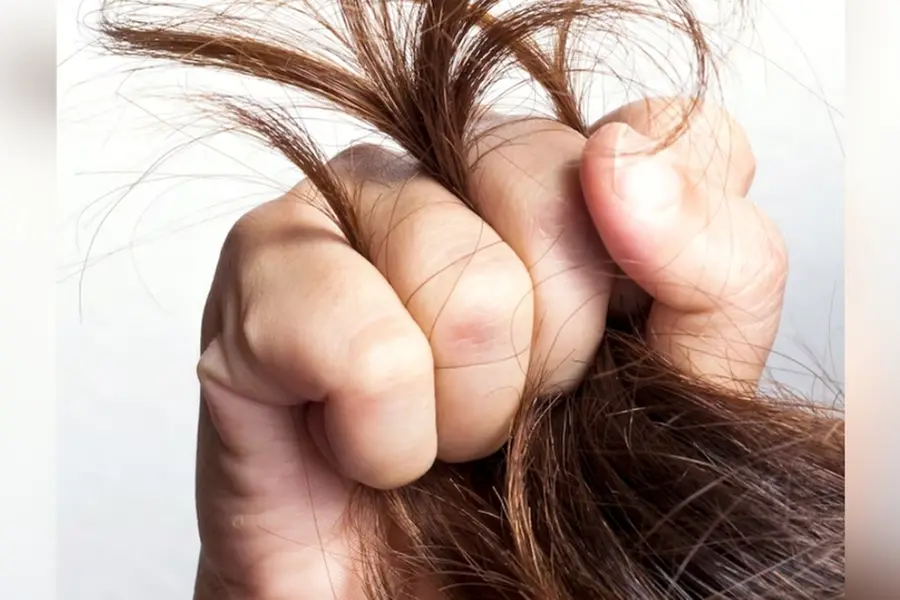
Popular weight loss drugs such as Ozempic, Wegovy and Zepbound may be associated with a higher risk of male pattern hair loss, particularly among men who are already genetically predisposed to the condition, according to a new study led by researchers at NYU Langone Health.
The study found that men with genetic factors associated with higher levels of GLP-1 receptor proteins had a 7 per cent greater risk of androgenetic alopecia, an inherited form of hair loss that typically affects the front and top of the scalp.
Published online on September 3 in the Journal of Investigative Dermatology, the peer-reviewed research is the first study to identify a genetic connection between GLP-1 activity and male pattern hair loss.
What did the researchers find?
The researchers examined the GLP1R gene, which naturally regulates levels of GLP-1 receptor proteins in the body. They then compared its activity with genetic markers linked to androgenetic alopecia in men.
Their analysis showed that GLP1R gene variants associated with naturally higher levels of GLP-1 receptor proteins were more commonly found among men with androgenetic alopecia.
Even after accounting for hypertension, which researchers believe may reduce blood flow to the scalp and influence hair follicle growth, the additional risk remained at 7 per cent.
The team also considered other factors potentially associated with hair loss, including insulin resistance and lower testosterone levels. The increased risk linked to GLP-1 activity remained even after these factors were taken into account.
Are GLP-1 drugs causing hair loss?
GLP-1 medicines are widely used to control blood sugar levels and suppress appetite. Hair thinning has been reported by many users as a possible side effect.
Until now, researchers have largely linked such shedding to the rapid weight loss that can occur after starting these medicines. Hair growth often returns within several months once a person's weight stabilises.
However, the new findings suggest there could also be a genetic component connecting GLP-1 activity with male pattern hair loss.
“Our study provides the first genetic link between GLP-1 use and an increased risk of male-pattern hair loss from androgenetic alopecia, an association long suspected but until now not shown scientifically,” said senior investigator Lynn Petukhova, PhD, assistant professor in the Ronald O. Perelman Department of Dermatology and the Department of Population Health at NYU Grossman School of Medicine.
Could the findings help predict hair loss risk?
Petukhova said the findings could eventually help doctors identify people who may be more vulnerable to hair loss before prescribing GLP-1 medicines, provided future research confirms the association.
She also said the findings could potentially contribute to the development of combination treatments designed to prevent or reduce hair loss.
However, the researchers stressed that the study does not establish the biological mechanism behind the association.
Petukhova said additional research will be needed to understand how GLP-1 activity could influence hair follicle growth and whether the same relationship applies to women.
What data did the study use?
The researchers analysed large publicly available genetic databases to investigate the relationship.
One of the sources was the eQTLGen database, which contains genetic data from 31,684 mostly White men and women. The team also used data from the Complex Traits Genetics group database, which includes 205,327 mostly White men.
How common is male pattern hair loss?
Androgenetic alopecia is estimated to affect around half of White American men over the age of 50. A similar proportion of White American women over 50 may also experience the condition, particularly after menopause.
The study information also cited surveys indicating that around 12 per cent of Americans have used GLP-1 drugs specifically for weight loss. The figure includes approximately one in five women aged 50 to 64.
Since Ozempic became the first GLP-1 drug approved by the US Food and Drug Administration in 2020, prescriptions for the medication have more than tripled.
Study funding and industry links
The research was supported by National Institutes of Health grants R01AR080796 and K01AR075111, according to Eureka Alert.
The researchers also disclosed several industry relationships. Jerry Shapiro, MD, and Kristen Lo Sicco, MD, have previously worked as study investigators for hair-loss drugs and devices manufactured by Pfizer and Regen Labs.
Lo Sicco is also a paid consultant for Pfizer, Lilly, Ro, Priovant, Veradermics and Aquis. NYU Langone said the terms of these relationships are managed under its institutional policies.
Researchers from the University of Pennsylvania, King’s College London and Columbia University also contributed to the study.
Published: 05 Sept 2026, 05:54 pm IST
ABOUT THE AUTHOR

Related Topics
Disclaimer: Kindly avoid objectionable, derogatory, unlawful and lewd comments, while responding to reports. Such comments are punishable under cyber laws. Please keep away from personal attacks. The opinions expressed here are the personal opinions of readers and not that of Mathrubhumi.