
Passengers linked to the MV Hondius hantavirus outbreak are being monitored in either quarantine units or high-level biocontainment units depending on their infection risk and symptoms
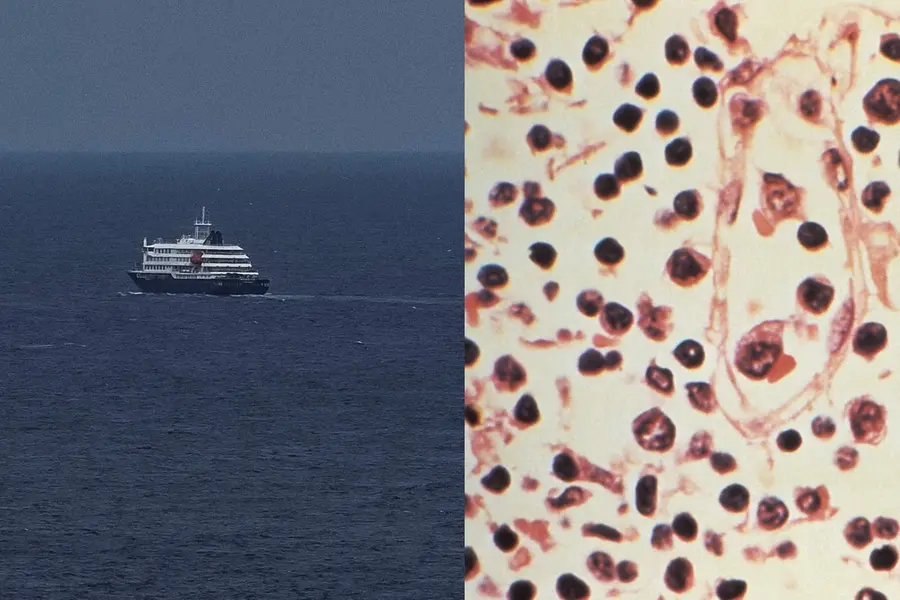
The hantavirus outbreak linked to the MV Hondius expedition cruise has brought renewed focus on how infectious diseases are managed.
While most are staying in quarantine units, a smaller number have been admitted to biocontainment units, raising questions about the difference between the two types of facilities.
Health officials say the distinction largely depends on whether a person is infected, symptomatic or simply being monitored after possible exposure to the virus.
The outbreak aboard the Dutch-flagged cruise ship has so far resulted in three deaths and several confirmed infections linked to the Andes strain of hantavirus, according to the World Health Organization (WHO).
What is a quarantine unit?
Doctors involved in monitoring the passengers say quarantine units are designed for individuals who may have been exposed to the virus but are not currently showing symptoms.
According to experts, the facility functions almost like a highly controlled hotel environment. Passengers stay in private rooms and are provided with exercise equipment and technology to help them pass the time, although visitors are not permitted.
Medical teams closely monitor each passenger’s possible level of exposure and assess the likelihood that they could eventually develop infection.
As per health experts, the goal is not only to observe patients for signs of illness but also to ensure they can quickly receive treatment if symptoms begin to appear.
Many of the passengers currently being monitored in quarantine units remain asymptomatic despite their potential exposure to the virus.
What is a biocontainment unit?
Biocontainment units are significantly more advanced and are reserved for patients who are infected or showing symptoms requiring specialised medical supervision.
Doctors describe these units as high-level hospital rooms capable of providing treatment equivalent to intensive care if necessary.
Unlike quarantine facilities, where patients are mainly observed, biocontainment units involve constant monitoring by nurses and multidisciplinary medical teams trained to handle serious infectious diseases.
At present, officials are still discussing whether passengers exposed to hantavirus should remain in these facilities for the full 42-day monitoring period or whether some may later continue observation at home.
Why officials say this is “not another Covid”
Health authorities have repeatedly stressed that hantavirus should not be compared to Covid-19.
According to experts, Covid spread rapidly because it was a new virus capable of easy human-to-human transmission, allowing one infected person to infect many others in a short period.
Hantavirus, by contrast, is already known to the global medical community, particularly the Andes strain involved in the MV Hondius outbreak.
Although Andes virus is the only hantavirus strain known to spread between humans, experts say transmission remains limited and usually requires prolonged close contact. WHO has assessed the overall public health risk as low.
Officials therefore say there is currently far less concern about widespread community transmission than there was during the early stages of the coronavirus pandemic.
How the outbreak began
The MV Hondius departed from Ushuaia in Argentina on April 1 carrying 114 passengers and 61 crew members. During its voyage, the expedition ship travelled through remote South Atlantic regions and visited several isolated islands.
The outbreak first came to international attention in early May after passengers developed severe respiratory illness linked to hantavirus.
WHO said illness among affected passengers was marked by fever, gastrointestinal symptoms and rapid progression to pneumonia and respiratory distress in some cases.
Death toll
WHO has reported multiple confirmed and suspected cases linked to the cruise ship outbreak.
As of the latest updates, three people who were on board the vessel have died. WHO said several infections have been laboratory-confirmed as Andes virus, while additional probable cases remain under investigation.
The organisation has nevertheless maintained that the wider public risk remains low and said there is no indication of a large-scale international health threat similar to Covid-19.
International monitoring effort underway
Passengers from multiple countries have now been evacuated and placed under medical observation across several nations, including the United States, Spain, France and South Africa.
The US has transferred exposed passengers to specialised facilities such as the University of Nebraska Medical Center and Emory University, where both quarantine and biocontainment units are being used depending on each patient’s condition.
Published: 12 May 2026, 10:35 am IST
Related Topics
Disclaimer: Kindly avoid objectionable, derogatory, unlawful and lewd comments, while responding to reports. Such comments are punishable under cyber laws. Please keep away from personal attacks. The opinions expressed here are the personal opinions of readers and not that of Mathrubhumi.
