
A five-year study in Kerala links increased orofacial cleft cases to environmental factors, particularly among farming communities
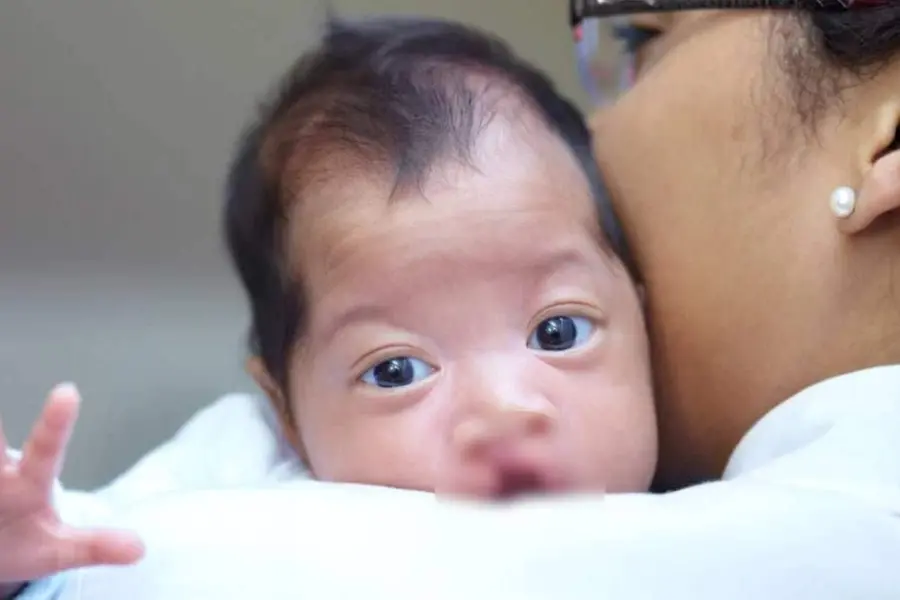
Thrissur: A major scientific study conducted by the Jubilee Mission Medical College in Thrissur has brought to light critical insights into congenital orofacial clefts, which affect the lip and mouth areas in children.
According to the researchers, along with genetic factors, environmental influences also play a crucial role in the development of this condition.
Over a thousand children from all over Kerala participated in the ongoing study. Seventy-six per cent of the affected children came from agricultural backgrounds.
The study selected people with ‘non-syndromic orofacial’ conditions who do not have other health problems. Malappuram, Palakkad, and Thrissur districts have the highest prevalence of disabilities. Only further studies will reveal whether the use of pesticides is likely to have an impact. The areas with the highest prevalence of disabilities have lateritic and gravelly clay soils. Since it is an agricultural area, further studies will be conducted on the chemical components in water and soil.
A team of scientists, doctors and research students has been studying this topic for five years. The study was funded by Smile Train India, an organisation working in this field.
Dr Alex George, a researcher at the Cell and Molecular Biology Facility of the Jubilee Centre for Medical Research (JCMR), is leading the study.
The research coordinator and co-investigator, Dr P R Varghese, Dr T J Robi (Asst. Professor, Department of Botany, Carmel College, Mala), Dr R. Sureshkumar, Dr K G Saji, Dr Aditya R Pillai and Dr Vidya Balakrishnan participated.
The highest number of surgeries related to cleft lip and cleft palate in the state is performed at Jubilee Medical College. Treatment for them will start from the first week of birth.
This situation arises when the necessary elements do not fully integrate during the formation of the baby's face.
Published: 02 Aug 2025, 01:49 pm IST
Related Topics
Disclaimer: Kindly avoid objectionable, derogatory, unlawful and lewd comments, while responding to reports. Such comments are punishable under cyber laws. Please keep away from personal attacks. The opinions expressed here are the personal opinions of readers and not that of Mathrubhumi.
