
With coconut oil prices rising, many turn to sunflower and palm oils. But experts warn that this switch could lead to serious health risks.Know more
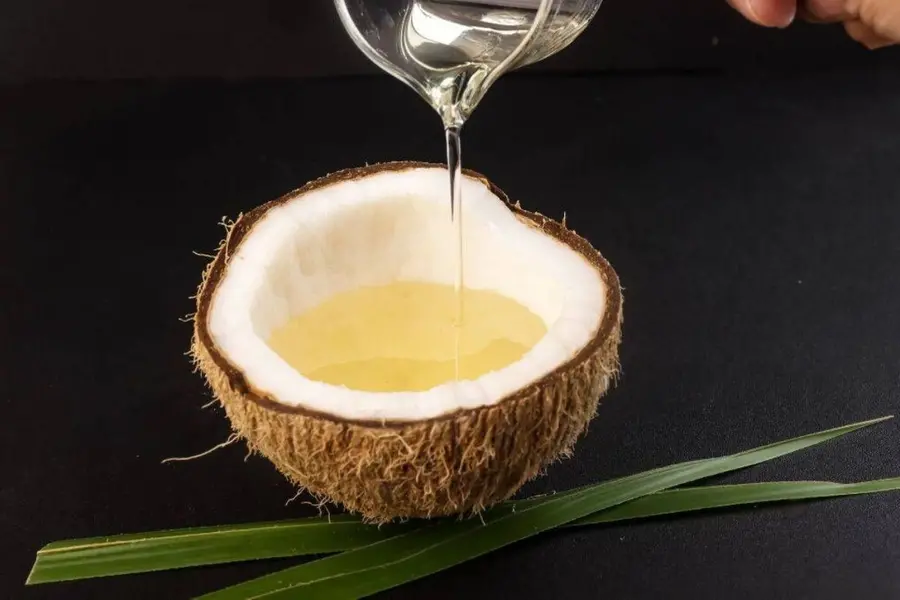
As prices rise, more consumers are turning away from coconut oil, opting instead for alternatives such as sunflower oil and, in some cases, palm oil.
Coconut oil, though high in saturated fats, is more resistant to oxidation. This stability means it retains its beneficial properties even at high temperatures. It is also a rich source of lauric acid, a compound found in breast milk, which plays a vital role in digestion, immune function, and the protection of vital organs. Notably, lauric acid does not degrade when heated.
Concerns over sunflower oil when heated
Sunflower oil, while popular, poses health risks when subjected to high temperatures. Its unsaturated fats degrade with heat, altering the oil’s flavour and producing aldehydes and free radicals, both of which are linked to various health issues.
Palm oil, another commonly used alternative, also withstands high heat like coconut oil. However, it contains long-chain palmitic acid, a type of saturated fat that may increase the risk of heart disease.
Olive oil is widely regarded as heart-friendly, but it is best consumed unheated. It is sensitive not only to heat but also to light and air exposure. If the bottle is left open or damaged, even room temperature can cause structural changes in the oil. In such cases, it should be used wisely.
— Information courtesy of Prof Lisa Sreejith, NIT Kozhikode
Published: 01 Aug 2025, 02:22 pm IST
Related Topics
Disclaimer: Kindly avoid objectionable, derogatory, unlawful and lewd comments, while responding to reports. Such comments are punishable under cyber laws. Please keep away from personal attacks. The opinions expressed here are the personal opinions of readers and not that of Mathrubhumi.
