

CLOVES syndrome, one of the world’s rarest genetic disorders, brings complex, lifelong challenges for patients and families. In this interview, Dr. Gopika Premnath shares her insights on its unique genetic origins, the hurdles in diagnosis and treatment, and the critical need for greater awareness and early intervention to improve lives
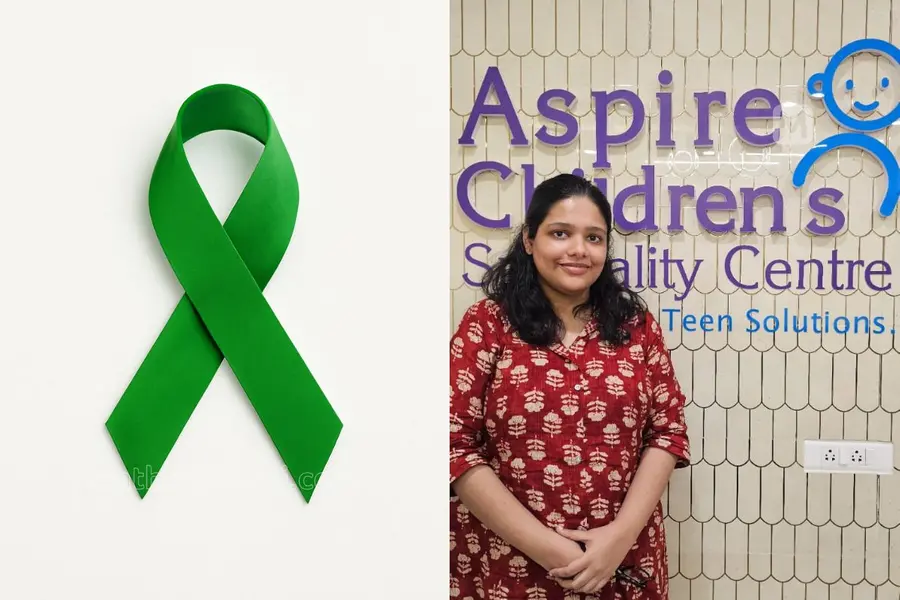
Kozhikode: August 3 is recognised as CLOVES Syndrome Awareness Day, a crucial time to bring attention to this exceptionally rare and complex overgrowth disorder. CLOVES syndrome is a congenital condition with an estimated incidence of less than 1 in 1,000,000, and with fewer than 200 cases officially documented worldwide. The day serves as a vital platform to foster understanding and support for individuals and families navigating a diagnosis that is often delayed and challenging due to the condition's rarity.
This annual observance is an opportunity to highlight the multifaceted challenges associated with CLOVES syndrome, from its variable clinical manifestations to the intricate nature of its diagnosis and treatment. By shining a light on this condition, the day aims to empower the community, educate the public, and drive continued research into a disorder that remains largely unknown to many.
Decoding the CLOVES acronym
-
C – Congenital: Present at birth, with abnormalities evident from infancy.
-
L – Lipomatous: Soft fatty masses of variable size, often found on the back, flanks, abdomen, and buttocks; sometimes accompanied by red-pinkish birthmarks.
-
O – Overgrowth: An abnormal increase in size of body parts or tissues, which can be segmental or focal; affects soft tissue, blood vessels, bone, and internal organs.
-
V – Vascular Malformations: Includes dilated veins that carry a risk of clots and pulmonary embolism, lymphatic malformations, and, less commonly, arteriovenous malformations (AVMs).
-
E – Epidermal Nevi: Skin birthmarks such as port-wine stains, prominent veins, lymphatic vesicles, moles, or slightly raised light brownish areas.
-
S – Scoliosis/Skeletal/Spinal Anomalies: Curving of the spine (scoliosis), fatty masses or vessels pressing on the spinal cord, tethered cord, and abnormal extremities such as large hands or feet, wide digits, or uneven limb size.
For deeper insights into the diagnosis, daily challenges, and hopes of those affected, Mathrubhumi spoke with Dr. Gopika Premnath, MD Paediatrics, Consultant Paediatrician at Aspire Children’s Speciality Centre, Calicut, Kerala
Is CLOVES syndrome a hereditary condition, or what is its genetic basis?
CLOVES syndrome is a genetic condition, but genetic diseases aren’t always hereditary. Mutations in genes can occur due to radiation, chemicals, or spontaneously. When mutations happen in germ cells (sperm or ovum), the condition can be inherited. However, mutations in regular body cells are genetic but not hereditary.
In CLOVES syndrome, the mutation occurs shortly after the zygote forms. As the zygote divides, some cells carry the mutation while others do not, causing mosaicism. This means the condition appears in the individual but usually does not run in families. The exact cause is unknown and considered sporadic, occurring randomly without identifiable risk factors.
What are the primary clinical manifestations and characteristics observed in individuals with CLOVES syndrome?
CLOVES syndrome is a congenital disorder affecting multiple body systems, with a wide range of symptoms and severity. Some individuals may appear normal and require genetic testing for diagnosis, while others show clear signs from birth.
A hallmark of CLOVES is lipomatous overgrowth—soft fatty masses or tumours typically found on the neck, thorax, or abdomen—often causing swelling and disfigurement of the trunk. Vascular malformations involving arteries, veins, capillaries, and lymphatic vessels are common, with affected vessels becoming bulged, tortuous, and irregular, sometimes visibly distorted and appearing red, blue, or abnormally shaped.
Large, disfigured birthmarks called epidermal nevi may also be present, appearing as skin-colored, hyperpigmented, brownish, or reddish raised lesions. Skeletal abnormalities such as scoliosis (curved spine), polydactyly (extra fingers or toes), and syndactyly (fused digits) are frequent. Limbs may be enlarged or distorted.
Internal organ involvement can lead to brain malformations, causing developmental delays, intellectual disabilities, or seizures. Heart or thorax malformations may cause serious complications like strokes, heart attacks, or heart failure. Renal abnormalities such as agenesis of one or both kidneys may occur.
CLOVES syndrome results from a gene mutation disrupting normal cell growth regulation, affecting skin, blood vessels, fat, and bone. This leads to overgrowth and tumour formation, with affected individuals at increased risk for tumours, including Wilms tumour, a kidney cancer commonly associated with the condition.
Given that CLOVES syndrome often presents at birth, is it always detected early, or can symptoms emerge or be recognised much later in life?
Yes, while CLOVES syndrome is mostly present at birth, it can sometimes be missed. The severity and phenotype vary greatly, so a newborn might appear normal if the fatty masses or deformities are very mild. Small lumps or minor polydactyly may resemble common anomalies seen in the general population. For example, some people have six fingers but do not have CLOVES syndrome. Thus, mild cases can be overlooked or misdiagnosed.
Prenatal detection is possible through ultrasound scans since deformities usually develop in the womb. However, prenatal scanning is not universally done, especially in many parts of India, so these cases might go undetected before birth.
Since CLOVES syndrome affects multiple body systems, does its highly variable presentation mean that each affected individual exhibits unique characteristics, and how does this variability impact diagnosis and rehabilitation strategies?
Yes, CLOVES syndrome affects multiple systems and presents variability among individuals. This is primarily due to mosaicism—the proportion of mutated cells varies. The more cells affected, the more severe the symptoms and organ involvement. This variability complicates diagnosis and predicting disease progression. CLOVES syndrome is diagnosed clinically, requiring suspicion based on symptoms. Imaging like MRI or CT may help show overgrowth, but is not diagnostic. Genetic testing confirms the diagnosis but is costly and not widely available.
Because of the wide variability in presentation, no specific diagnostic criteria or classification system has been established, leading to diagnostic dilemmas.
Is CLOVES syndrome frequently misdiagnosed, and if so, what are some common misdiagnoses?
It can be misdiagnosed, though most cases have noticeable disfigurement. Mild cases are less common but may be overlooked. Furthermore, not all deformities are visible in the fetus, so prenatal detection is not always 100 per cent reliable.
The main misdiagnosis is Proteus syndrome, which is often overdiagnosed. Many cases labelled as Proteus syndrome might actually be CLOVES syndrome. Although the Proteus syndrome differs because it typically presents later, starting in toddlerhood, rather than at birth. Other differential diagnoses include Klippel-Trenaunay syndrome, which usually affects the lower limbs with varicose veins and skin pigmentation but lacks the fatty tumours found in CLOVES syndrome. McCune-Albright syndrome is another rare condition involving endocrine abnormalities such as early puberty and bone deformities with characteristic pigmented spots.
What are the significant challenges associated with the diagnosis and detection of CLOVES syndrome, particularly in a country like India?
Major challenges include a knowledge gap among healthcare providers; not all paediatricians or doctors are familiar with CLOVES syndrome. There is also limited awareness among patients and families. Genetic testing, which confirms the diagnosis, is expensive and not widely available, often needing to be sent to distant centres. Many families accept the condition as fate and do not seek diagnosis or treatment, especially in rural or less-developed regions. Resource limitations affect access to imaging like MRI or CT, and the cost of surgery and medications is often prohibitive in India.
Individuals with CLOVES syndrome often present with vascular malformations, including dilated veins that pose a risk for clot formation. Does this inherent risk directly translate to an increased propensity for severe cardiovascular events like strokes and heart attacks?
Yes, vascular malformations cause dilated, bulging, and tortuous vessels where blood flow is slow or stagnant, a condition called blood stasis. Normally, blood circulates quickly through vessels, but in CLOVES syndrome, the abnormal vessels cause blood to pool.
Stagnant blood clots easily, so there is a high risk of clot formation inside these malformed vessels. Additionally, cells lining the vessels may be abnormal due to mutation, further increasing clot risk.
Fatty masses that compress normal vessels also promote stasis and clotting. Clots can break free, travel through circulation, and block vital organs.
Clots can travel to the heart, causing ischemia and heart attacks, although these heart attacks differ from the typical type seen in adults related to cholesterol and smoking; here, they are caused by clots and can occur even in childhood.
Similarly, clots travelling to the brain can cause strokes, leading to paralysis or other neurological deficits.
What are the current and emerging treatment approaches and management strategies for CLOVES syndrome?
The treatment for CLOVES syndrome is multidisciplinary. It does not end with a visit to just a paediatrician; instead, several specialists are involved. These include a paediatrician, pediatric surgeon, plastic surgeon, and orthopaedic surgeon. If other organs are affected, additional doctors may be needed—for example, a cardiologist for heart involvement, a neurologist for brain abnormalities, or a nephrologist for kidney problems. In summary, managing this condition requires the collaboration of a comprehensive medical team.
Treatment often involves surgery to remove the masses caused by the syndrome. These masses may lead to cosmetic issues or even obstruct important structures, such as blood vessels, the airway, or the food pipe, interfering with normal physiological functions. Minimally invasive surgical options are also available, such as embolisation. In this procedure, the blood vessels supplying the masses are blocked, causing the masses to shrink over time. Sclerotherapy—commonly used for varicose veins—and laser therapy are alternative non-surgical approaches. In addition to these procedures, there is a new class of drugs under investigation known as monoclonal antibodies.
One FDA-approved drug, Alpelisib, targets the mutated proteins responsible for the syndrome and helps to slow or stop the abnormal growth of cells and tissues. This medication can also reduce blood stasis and decrease coagulation markers such as D-dimer and fibrinogen, thereby lowering the risk of clots, embolism, heart attack, and stroke. However, alpelisib is only administered after a confirmed diagnosis and is very expensive and not easily accessible. For now, the focus remains on rehabilitation alongside surgical and medical interventions, with all care provided through a multidisciplinary approach.
How does CLOVES syndrome impact an individual's quality of life, and what long-term outlook can be expected for those living with the condition?
Regarding quality of life, children with CLOVES syndrome often have decreased mobility and, in many cases, become bedridden, unable to move independently. This places a significant burden on parents, who must provide constant care. Functional impairment can extend to basic daily activities, such as brushing teeth or combing hair, especially if the fingers are fused or abnormally shaped.
Neurological problems, such as developmental delays and seizures, can further affect the child’s abilities—for instance, a ten-year-old might have the cognitive abilities of a two-year-old. Psychosocial issues are also common: parents worry about social stigma, and children may struggle emotionally due to their physical appearance. Overall, both the child’s and the family’s quality of life is significantly impacted.
What efforts are being made globally and specifically in India to raise awareness and improve diagnosis for this condition?
CLOVES syndrome is extremely rare—about one in a million—so there are very few government-run programs or awareness campaigns. In India, a group called the Indian Organization for Rare Diseases (IORD) works to promote funding, research, and treatment for rare diseases, including CLOVES syndrome. However, most progress in this area comes from patient-led advocacy and research. Accurate diagnosis and research depend on knowledgeable healthcare providers and proactive families. Improved classification, diagnostic standards, and patient data collection are needed to advance research and develop better treatments.
Unfortunately, many cases likely go undetected in India, especially where specialised healthcare is scarce. Severe cases may result in neonatal death or stillbirth, sometimes without proper investigation. In rural hospitals or smaller clinics, such cases may go unrecognised, and patients may never receive a correct diagnosis. Thus, while officially rare, the condition could be more common than records suggest.
Published: 03 Aug 2025, 08:59 pm IST
ABOUT THE AUTHOR
Disclaimer: Kindly avoid objectionable, derogatory, unlawful and lewd comments, while responding to reports. Such comments are punishable under cyber laws. Please keep away from personal attacks. The opinions expressed here are the personal opinions of readers and not that of Mathrubhumi.