
A silent, fast-moving cancer is striking children while parents mistake its early signs for routine fevers or bruises. Pediatric experts warn that delayed recognition can turn fatal. Here’s what every parent must know before these subtle symptoms escalate beyond control.
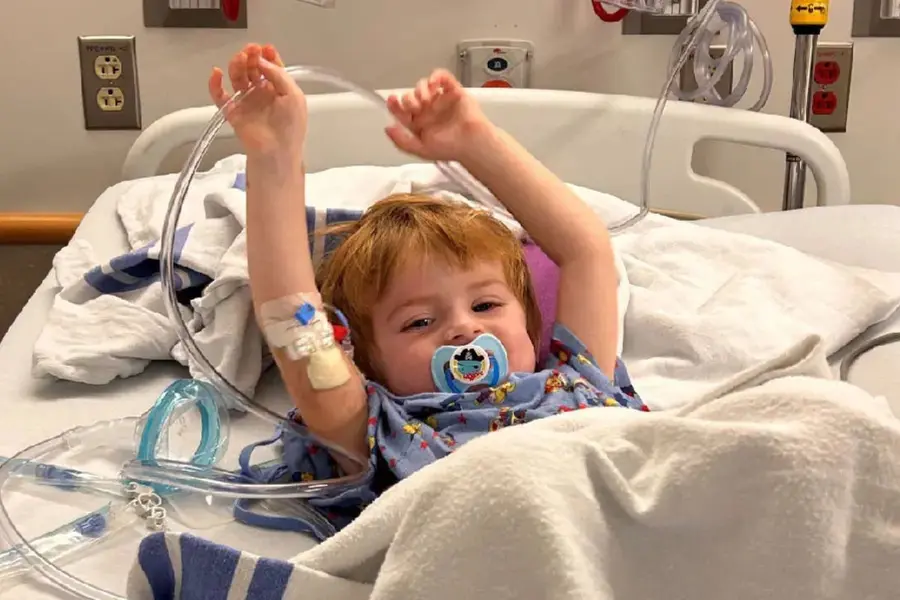
Blood cancer in children often begins quietly — a lingering fever, unexplained bruises, or constant fatigue that many families initially dismiss as routine childhood issues. But these subtle symptoms can sometimes point to a serious underlying condition.
According to Dr Purvi Kadakia Kutty, Pediatric Hemato-Oncologist and Bone Marrow Transplant Specialist at NewEra Hospitals, Vashi, Navi Mumbai, early recognition and timely treatment drastically improve survival outcomes.
What Happens in Childhood Blood Cancer?
Blood cancer, or haematologic cancer, originates in the bone marrow or lymphatic system, where blood cells are produced. In affected children, abnormal white blood cells multiply rapidly, crowding out healthy cells required to fight infections, carry oxygen, and control bleeding.
Among the different types, leukaemia remains the most common in children. It begins in the bone marrow and disrupts normal production of blood cells.
Another type, lymphoma, starts in the lymphatic system—often presenting as swollen lymph nodes, persistent fevers, or recurrent infections.
Why Does It Occur?
Unlike many adult cancers, most childhood blood cancers are not inherited, Dr Kutty emphasises. Although the exact cause is unknown, certain factors increase risk:
- Exposure to high levels of radiation or toxic chemicals
- A weakened immune system
- Genetic conditions such as Down syndrome
Symptoms Parents Should Never Ignore
Blood cancer symptoms can seem vague or overlap with common infections, but consistent red flags include:
- Persistent fever and extreme fatigue
- Unexplained bruising or frequent nosebleeds
- Swollen lymph nodes (neck, armpits, groin)
- Repeated infections
- Bone, leg, or joint pain
- Weight loss and poor appetite
“Parents should seek medical attention without delay if these symptoms persist,” says Dr Kutty. Early intervention significantly boosts recovery chances.
How It Is Diagnosed
Doctors may advise a combination of tests, including:
- Complete Blood Count (CBC)
- Bone Marrow Aspirate (BMA) and biopsy
- Flow cytometry, cytogenetics, and karyotyping to identify cancer subtype
These results help specialists design an accurate treatment plan.
Treatment: Multi-Step, But Effective
Chemotherapy remains the mainstay of treatment for childhood blood cancer. In certain cases, doctors may use:
- Targeted therapy for specific cancer subtypes
- Immunotherapy, which attacks cancer cells without harming healthy ones
- Bone marrow transplant, recommended for relapsed or treatment-resistant cancers
Children require long-term follow-up, nutritional support, and emotional care throughout both the intensive and recovery phases. Support groups and counselling play a crucial role in helping families cope.
The Outlook
Despite the emotional and physical toll, advances in pediatric oncology mean that most children with blood cancer can lead full, healthy lives.
“Parents should not panic — early diagnosis and proper treatment save lives,” Dr Kutty reassures. “With the right medical care and family support, children not only recover but thrive.”
Published: 24 Nov 2025, 04:24 pm IST
Related Topics
Disclaimer: Kindly avoid objectionable, derogatory, unlawful and lewd comments, while responding to reports. Such comments are punishable under cyber laws. Please keep away from personal attacks. The opinions expressed here are the personal opinions of readers and not that of Mathrubhumi.
