
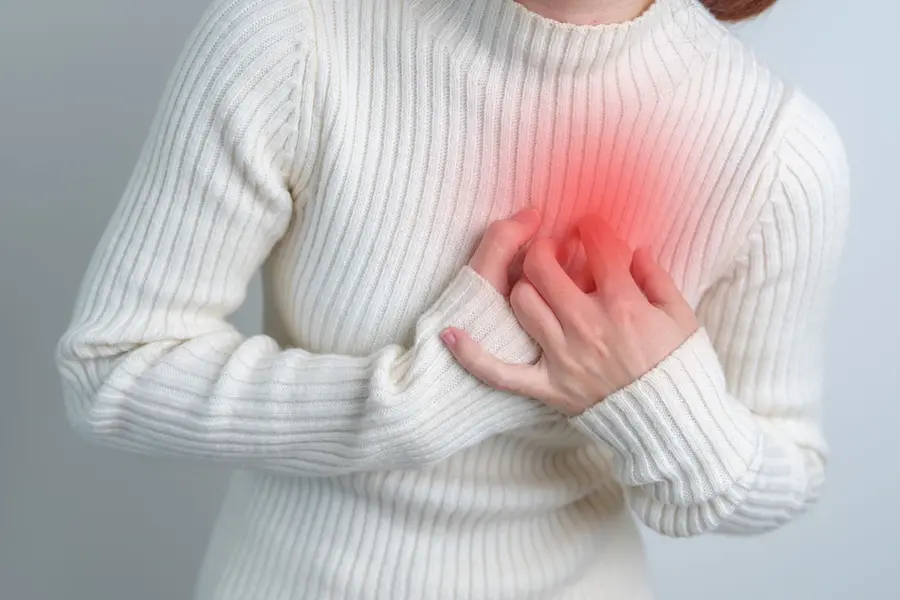
Symptoms of a heart attack can differ between men and women, with women often experiencing signs like fatigue, nausea, and other subtler symptoms.
There is a common misconception that men are more susceptible to heart attacks than women, but this belief lacks solid evidence. Recent research by the Registrar General of India reveals that 40 percent of cardiovascular disease-related deaths occur in women, underscoring the fact that women are equally at risk for heart disease.
Why is heart disease more complex for women?
Several factors contribute to the increased risk of heart disease in women:
- Delayed diagnosis
A primary reason for delayed diagnosis in women is the misconception that they are less prone to heart disease. Additionally, women often experience different symptoms than men, such as milder chest pain, excessive sweating, fatigue, and nausea, which can result in diagnosis delays.
- Diabetes and high blood pressure
India is often referred to as the "diabetes capital of the world," and Indian women, especially from middle age onward, are particularly vulnerable to diabetes and high blood pressure—both of which heighten the risk of heart disease.
- Hormonal fluctuations
Hormonal changes, particularly during menopause, can increase levels of bad cholesterol (LDL) and decrease good cholesterol (HDL), further raising the risk of heart disease.
- Socio-cultural factors
Many Indian women prioritize the health of their families over their own. As a result, they may ignore their own health issues or delay seeking treatment, leading to late diagnosis and missed preventive measures. Additionally, excessive workloads and high mental stress levels negatively impact heart health.
- Lack of proper nutrition and exercise
Lifestyle changes are also affecting women's heart health. Increased reliance on machines for household tasks, lack of physical activity, and consumption of fatty and processed foods are all contributing factors to the growing risk of heart disease.
- Smoking and alcohol consumption
There has been a significant rise in the number of women who smoke or consume alcohol, both of which are well-known contributors to heart disease.
How to prevent heart disease
The risk of heart disease can be managed and reduced through the following preventive measures:
- Early diagnosis and regular checkups
Individuals with a family history of heart disease should undergo regular health checkups to monitor cholesterol, blood sugar, and blood pressure levels. Any fluctuations should be addressed by consulting a healthcare professional promptly.
- Adopt a healthy diet
A heart-healthy diet should include plenty of fruits, vegetables, and whole grains while avoiding fatty foods, red meat, and junk food. Sugar and salt intake should be carefully regulated.
- Engage in physical activity
Aim to spend at least 30 minutes a day engaging in physical activities like walking, yoga, or cycling to maintain heart health.
- Manage mental stress
Mental stress is a key factor contributing to heart disease. Incorporating stress-relief techniques like meditation, breathing exercises, and regular workouts can help lower stress levels.
- Avoid smoking and limit alcohol
Completely avoiding smoking and reducing alcohol consumption are crucial steps toward maintaining a healthy heart. Following a disciplined lifestyle can significantly lower the risk of heart disease.
Published: 30 Sept 2024, 05:54 pm IST
Related Topics
Disclaimer: Kindly avoid objectionable, derogatory, unlawful and lewd comments, while responding to reports. Such comments are punishable under cyber laws. Please keep away from personal attacks. The opinions expressed here are the personal opinions of readers and not that of Mathrubhumi.
