
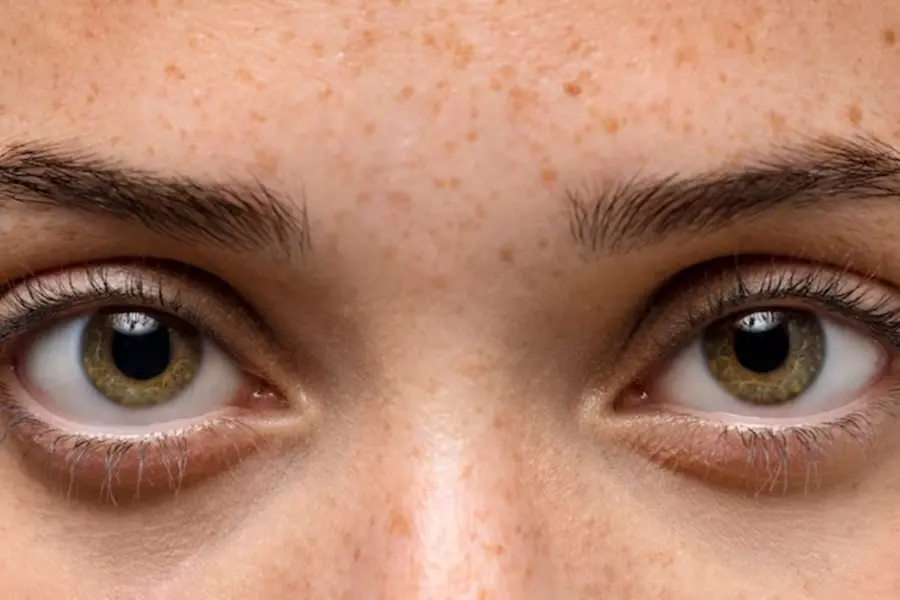
Your eyes might reveal more about your mental state than you realise. According to medical psychology experts, subtle changes in pupil characteristics—such as their size, shape, symmetry, or how they react to light—can sometimes signal deeper psychological or neurological conditions.
It's commonly observed that pupils dilate when we experience strong emotions such as attraction, excitement, or love. However, when these changes occur in the absence of emotional triggers, they might indicate an involuntary response to internal stressors or imbalances within the nervous system. Experts point out that such changes may be your body’s way of signalling distress or dysfunction.
Stress, anxiety and the fight-or-flight response
Pupil dilation is often associated with the body’s fight-or-flight mechanism—a biological response to perceived threats. When someone is under stress or experiencing anxiety, their sympathetic nervous system is activated, resulting in widened pupils. This reaction prepares the body for heightened alertness and improved vision, enabling a faster response to danger.
Drug use and pupil reactivity
Certain substances also affect the autonomic nervous system and alter pupil size. Stimulants such as cocaine, amphetamines, or MDMA can cause significant dilation (mydriasis), while depressants like heroin or prescription opioids often result in pinpoint pupils (miosis). Changes in pupil size under these circumstances are well-documented in medical literature and are often used in clinical settings to assess potential substance use.
Neurological conditions and visual cues
Pupil anomalies can also be early indicators of neurological disorders. For example, traumatic brain injuries may impair the brain's ability to regulate pupil responses. Conditions like multiple sclerosis, which affects the central nervous system, have also been linked to inconsistent or slowed pupil reactions.
In children, irregular or repetitive eye movements might suggest developmental concerns such as autism spectrum disorders, where visual tracking and gaze patterns are often atypical.
Syndromes like Horner’s syndrome, which affects the nerves leading to the eyes and face, can cause one pupil to appear smaller than the other, often accompanied by drooping eyelids or reduced sweating on one side of the face. Adie’s pupil, another rare neurological condition, results in one pupil being abnormally large and reacting slowly to light.
Cognitive load, arousal, and fatigue
Beyond physical conditions, pupil size can also fluctuate based on mental activity. Studies have shown that when a person is deeply focused, solving problems, or under cognitive stress, the pupils may expand to accommodate increased brain activity. Similarly, fluctuations may reflect fatigue, drowsiness, or emotional arousal.
Are eye changes signs of mental illness?
While changes in the eyes can reflect what’s going on in the brain or mind, medical psychology experts stress that these are only indicators—not definitive diagnostic tools. The human eye is sensitive to a wide variety of stimuli, and while it can provide important clues, diagnosis of mental health conditions requires comprehensive evaluation.
The link between mental health and vision
A common question is whether mental health disorders directly affect eye health. The answer is nuanced. While most changes in pupil behaviour stem from neurological or psychological causes, they rarely result in lasting eye damage or vision loss. However, in cases where a mental health condition overlaps with a neurological disorder, temporary vision disturbances or photophobia (light sensitivity) may occur.
Monitoring changes in your eyes—especially when they are persistent, asymmetrical, or accompanied by other symptoms like headaches, fatigue, or behavioural changes—can help identify broader health issues. But these changes are not diagnostic by themselves.
(Disclaimer: This article is intended for informational purposes only and should not be used as a substitute for professional medical advice, diagnosis, or treatment. If you notice unexplained or persistent changes in your pupil size or eye behaviour, consult a qualified healthcare professional.)
Published: 07 Apr 2025, 02:58 pm IST
Related Topics
Disclaimer: Kindly avoid objectionable, derogatory, unlawful and lewd comments, while responding to reports. Such comments are punishable under cyber laws. Please keep away from personal attacks. The opinions expressed here are the personal opinions of readers and not that of Mathrubhumi.
