
Recent concerns over a rare hantavirus outbreak linked to a cruise ship have reignited fears of another global health emergency
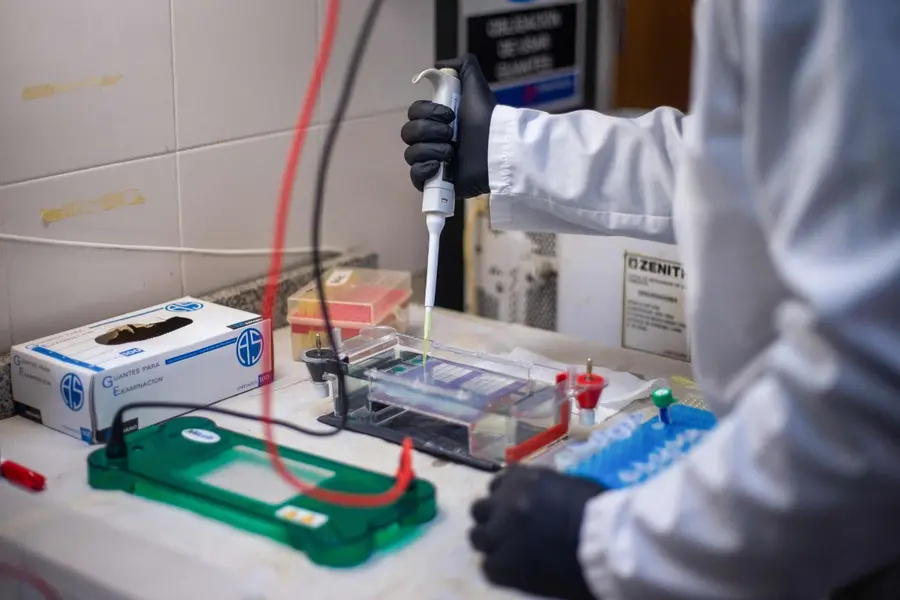
The lingering impact of the COVID-19 pandemic continues to influence daily life and public perception years after the global emergency was declared over, with experts warning that its effects are still visible in how societies respond to health threats, trust institutions and process uncertainty.
From hybrid working patterns and continued mask use in some communities to the routine availability of hand sanitiser in public spaces, several behavioural shifts have become part of everyday life. But researchers say the deeper consequences are less visible — including grief over lost lives, long-term health conditions and a fundamental change in how people interpret risk.
Rising anxiety over new outbreaks
Recent concerns over a rare hantavirus outbreak linked to a cruise ship have reignited fears of another global health emergency, despite health authorities stressing that the risk to the wider public remains low.
The World Health Organization has reported multiple linked cases, including fatalities, while maintaining that the likelihood of broader transmission is limited. Even so, the incident has triggered heightened public anxiety, reflecting what experts describe as a post-pandemic sensitivity to disease outbreaks.
ALSO READ | Hantavirus patients in quarantine vs biocontainment: What it means
Passengers were reportedly disembarked in Tenerife, where some residents expressed unease, drawing comparisons with the rapid spread of COVID-19 and its global disruption.
Trust in science and institutions under strain
Experts say one of the most significant long-term impacts of the pandemic has been the erosion of trust in key institutions, including government, media and science.
“COVID undermined our trust in what most of us used to trust,” said Elisa Jayne Bienenstock, a research professor and sociologist at Arizona State University. She added that declining trust has made it harder for people to know where to turn for reliable guidance during crises.
Michele Gelfand, professor of organisational behaviour at Stanford University, said the pandemic altered how people perceive risk, often in ways disconnected from actual danger. She warned that reduced institutional trust has increased reliance on rumour and emotion in shaping public responses to health threats.
Changing behaviour and the challenge of rebuilding confidence
Health professionals have also observed growing scepticism towards scientific guidance and vaccination programmes in some communities. Karlynn Morgan, a retired nurse-anesthetist in North Carolina, said public questioning of medical advice has increased compared with pre-pandemic years.
ALSO READ | Why are cruise ships so prone to disease outbreaks?
Experts say restoring trust will require clear, consistent communication from leaders and institutions. Gelfand noted that transparent messaging is essential for helping people accurately assess risk and respond appropriately during crises.
Without stronger institutional confidence, researchers warn that societies risk losing the collective ability to manage future emergencies, as misinformation and fear increasingly fill the gap left by weakened trust in science and governance.
Published: 14 May 2026, 09:58 pm IST
Related Topics
Disclaimer: Kindly avoid objectionable, derogatory, unlawful and lewd comments, while responding to reports. Such comments are punishable under cyber laws. Please keep away from personal attacks. The opinions expressed here are the personal opinions of readers and not that of Mathrubhumi.
