
The study found that patients vaccinated within 100 days of starting checkpoint inhibitor therapy experienced longer lifespans
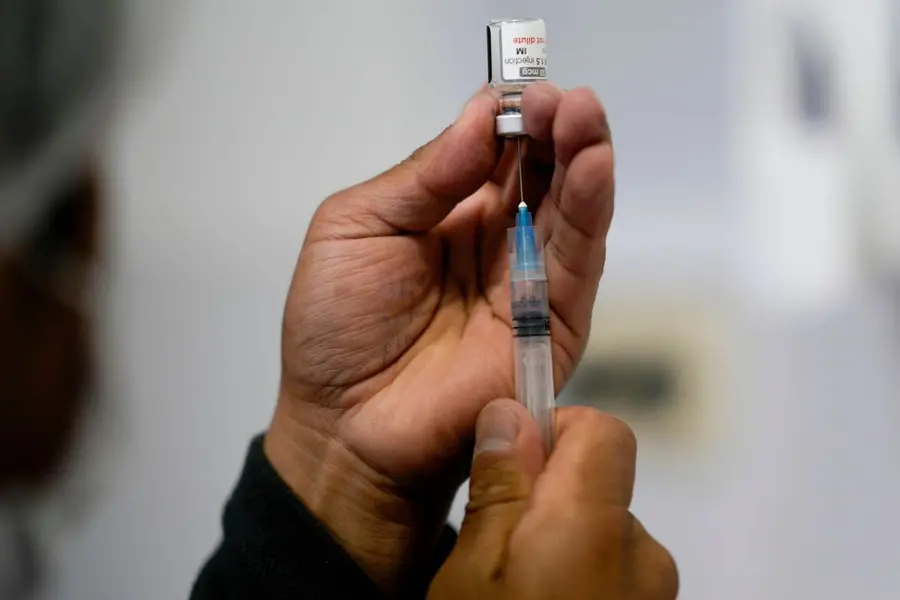
Washington: New research reveals that mRNA-based COVID-19 vaccines from Pfizer and Moderna may enhance outcomes for cancer patients undergoing immunotherapy. The study, from MD Anderson Cancer Centre and University of Florida, found that patients with advanced lung or melanoma skin cancer receiving mRNA vaccines within 100 days of starting checkpoint inhibitor therapy lived significantly longer.
The vaccines appear to "awake" the immune system, sensitising tumours to attack by immune cells. Unlike traditional cancer vaccines targeting specific tumours, these findings suggest off-the-shelf COVID-19 mRNA vaccines boost immune response nonspecifically, improving survival rates.
Data analysed from over 1,000 patients showed vaccinated lung cancer patients nearly doubled median survival compared to unvaccinated peers, while melanoma patients exhibited markedly longer survival, although the exact duration is still pending due to ongoing follow-up.
Preclinical studies in mice confirmed that mRNA vaccines activate dendritic cells, which help T cells recognise tumours, enhancing immunotherapy efficacy, especially in patients with "cold" tumours that resist immune detection.
Lead researcher Dr Adam Grippin highlighted that this discovery paves the way for potential universal cancer vaccines employing mRNA technology, alongside further clinical trials underway to validate these encouraging results.
Experts not involved in the study emphasise cautious optimism but view this as a significant stride in cancer immunotherapy, showcasing how COVID-19 vaccine technology may have broad applications beyond infectious diseases.
This breakthrough underscores the growing role of mRNA-based medicines and offers hope for improving survival in difficult-to-treat cancers by pairing existing vaccines with advanced immune checkpoint inhibitors.
The study findings were presented at the 2025 European Society for Medical Oncology Congress and published in Nature, attracting attention for their potential to revolutionise cancer treatment strategies.
With inputs from PTI
Published: 22 Oct 2025, 09:14 pm IST
Related Topics
Disclaimer: Kindly avoid objectionable, derogatory, unlawful and lewd comments, while responding to reports. Such comments are punishable under cyber laws. Please keep away from personal attacks. The opinions expressed here are the personal opinions of readers and not that of Mathrubhumi.
