
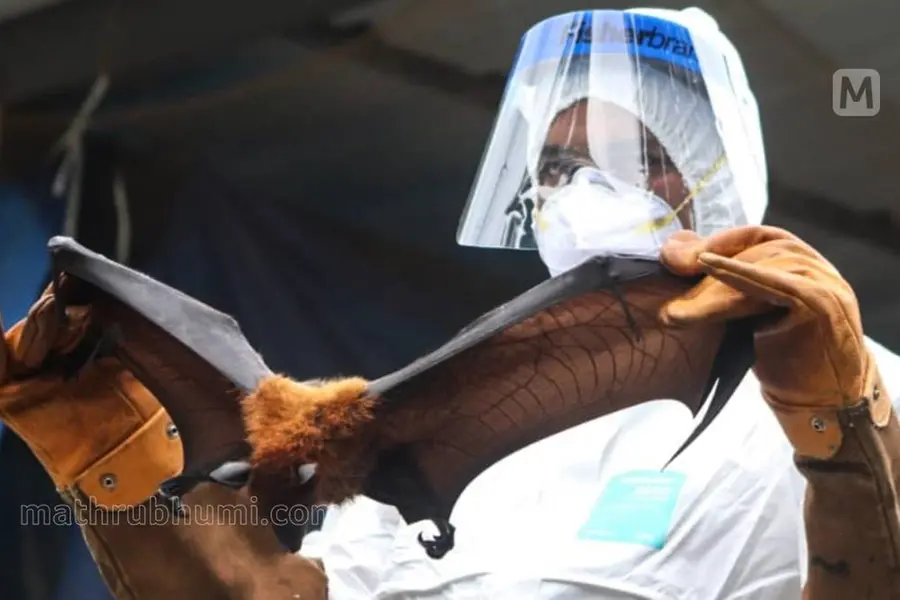
Chinese researchers have identified a new bat coronavirus, HKU5-CoV-2, that uses the same ACE2 receptor protein to enter human cells as SARS-CoV-2, the virus responsible for COVID-19. Their findings, published in Cell, indicate that while the virus has the potential to infect humans, it does not do so as efficiently as SARS-CoV-2.
The study found that HKU5-CoV-2 contains a furin cleavage site, a feature that enhances viral entry into cells via the ACE2 receptor. In laboratory experiments, the virus was able to infect human cells with high ACE2 levels, including models of human intestines and airways.
What is the risk of human transmission?
Despite its ability to infect human cells under lab conditions, researchers noted that HKU5-CoV-2 has significantly lower binding affinity to ACE2 than SARS-CoV-2. Other biological factors suggest the virus is not well adapted for human transmission, reducing the likelihood of an outbreak.
How are experts responding?
However, experts escribed concerns over another pandemic as overblown. According to them, global immunity to SARS-like viruses has improved since 2019, which could lower the risk of widespread transmission. Also, the study itself cautioned against exaggerating the virus’s potential to spread among humans.
Interestingly, the discovery of HKU5-CoV-2 triggered gains in COVID-19 vaccine stocks.
Published: 22 Feb 2025, 02:20 pm IST
Related Topics
Disclaimer: Kindly avoid objectionable, derogatory, unlawful and lewd comments, while responding to reports. Such comments are punishable under cyber laws. Please keep away from personal attacks. The opinions expressed here are the personal opinions of readers and not that of Mathrubhumi.
