
In India, Type 1 diabetes is emerging as a growing crisis, particularly among children and adolescents
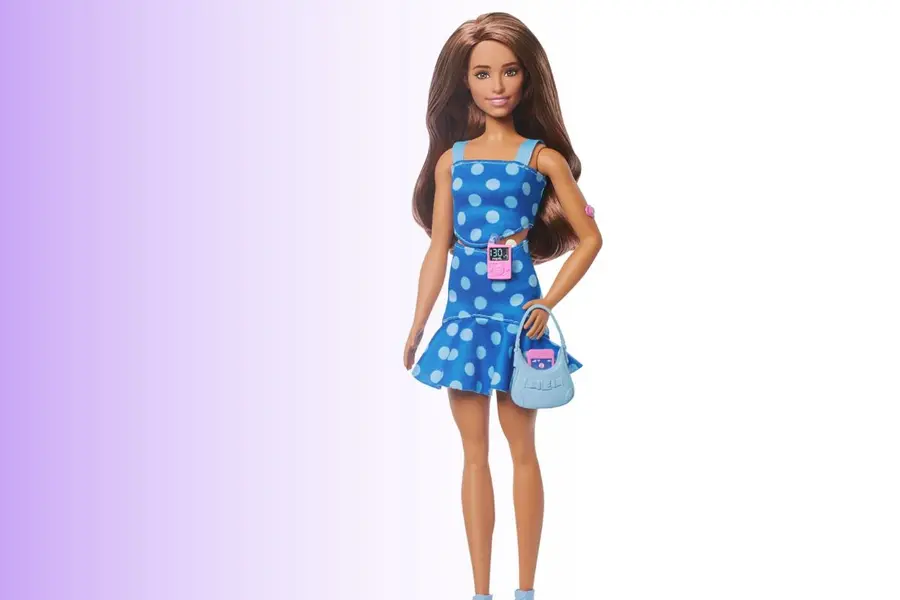
In a bold move to champion inclusivity and spark vital conversations around chronic illness, Mattel has unveiled its first Barbie doll representing a person with Type 1 diabetes (T1D).
The newly launched doll features a continuous glucose monitor (CGM) on her arm, an insulin pump clipped to her waist, and holds a smartphone displaying real-time glucose data. Completing the ensemble, she carries a blue purse—symbolic of the everyday supplies or emergency snacks many with T1D must keep on hand.
“We aimed to create a doll that authentically mirrors the community,” Mattel announced, explaining how each accessory was carefully designed to “accurately reflect the medical equipment” used by people living with T1D.
Medical experts say Mattel’s move couldn’t come at a more critical time. In India, Type 1 diabetes is emerging as a growing crisis, particularly among children and adolescents. Unlike type 2 diabetes, T1D usually strikes at a younger age, and patients remain insulin-dependent for life, medical experts said. Despite insulin being available, many patients in India struggle to control their blood sugar because of limited awareness, financial hurdles, inadequate diabetes education, and restricted access to advanced devices like insulin pumps and CGMs, experts said.
Type 1 diabetes is an autoimmune condition where the body’s defense system attacks its own insulin-producing cells in the pancreas. The result is dangerously high blood sugar that, if not controlled, can lead to severe complications such as kidney failure, heart disease, and blindness.
Many patients, experts warn, are forced to depend on outdated insulin regimens or sporadic blood sugar checks. Experts opine that these highs and lows don’t just damage organs over time—they also drain emotional energy, affecting mood, concentration, and quality of life.
Beyond the medical aspect, living with T1D can carry a heavy emotional toll. Social stigma, daily injections, and constant monitoring often weigh most heavily on young people navigating childhood and adolescence. Regular monitoring, a balanced diet, physical activity, and prompt medication adjustments are crucial, doctors opined.
By giving Barbie a CGM and insulin pump, Mattel has turned a fashion icon into an unexpected but powerful advocate for visibility and awareness, highlighting that managing diabetes is not just a medical routine but a daily reality millions face, often in silence.
Published: 10 Jul 2025, 03:58 pm IST
Related Topics
Disclaimer: Kindly avoid objectionable, derogatory, unlawful and lewd comments, while responding to reports. Such comments are punishable under cyber laws. Please keep away from personal attacks. The opinions expressed here are the personal opinions of readers and not that of Mathrubhumi.
