
Visceral fat is a type of body fat stored deep within the abdominal cavity, surrounding vital organs such as the liver, kidneys, and heart.
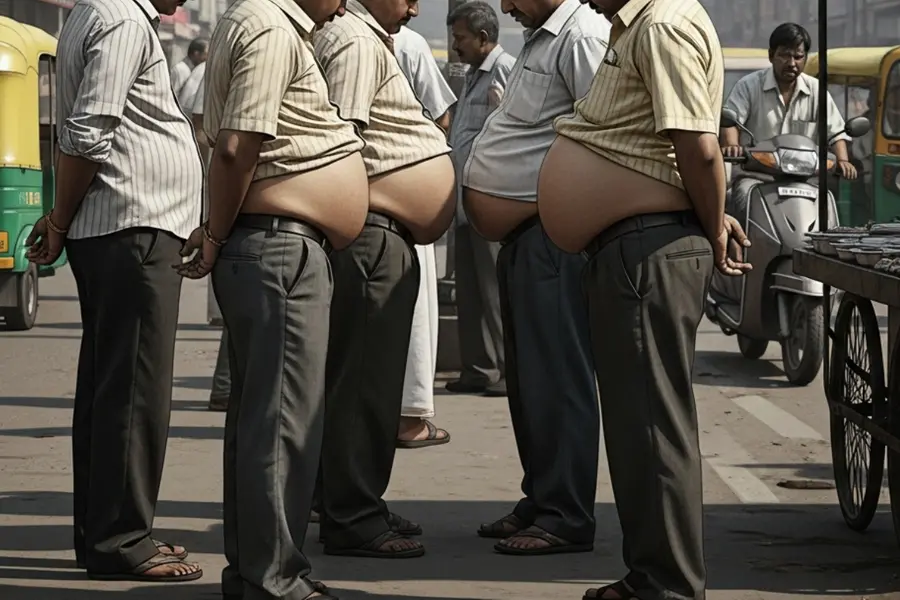
New Delhi: Union Minister Jitendra Singh on Sunday highlighted that abdominal or central obesity poses a greater health risk than overall obesity, especially among Indians, where even individuals who appear lean may carry harmful levels of visceral fat.
He noted that while obesity levels are rising among both men and women, abdominal obesity remains disproportionately high and is a key driver of cardiometabolic diseases.
"The presence of visceral fat around the abdomen, even without generalised obesity, has significant clinical implications and requires early detection and targeted intervention," Singh said during the launch of the book ‘Advances in Obesity and Lipid Management in CVD’.
Rising health concerns among younger population
The minister also flagged a worrying increase in metabolic disorders such as type 2 diabetes and heart-related conditions among younger people. He attributed this trend to changing lifestyles, unhealthy dietary habits, and declining physical activity.
Citing projections that indicate a sharp rise in obesity levels in India by 2050, Singh stressed the need for greater awareness, timely screening, and preventive healthcare measures to reduce long-term health and economic burdens.
What is visceral fat and why it matters
Visceral fat is a type of body fat stored deep within the abdominal cavity, surrounding vital organs such as the liver, kidneys, and heart. Unlike subcutaneous fat, which lies just under the skin, visceral fat wraps around internal organs and plays an active role in how the body functions.=
Often referred to as “active fat,” it helps cushion organs and regulate energy use. However, excess visceral fat can significantly increase the risk of serious health conditions, including heart disease, diabetes, and other metabolic disorders, even in individuals who may not appear overweight.
Published: 29 Mar 2026, 06:28 pm IST
Related Topics
Disclaimer: Kindly avoid objectionable, derogatory, unlawful and lewd comments, while responding to reports. Such comments are punishable under cyber laws. Please keep away from personal attacks. The opinions expressed here are the personal opinions of readers and not that of Mathrubhumi.
