
Explore the distinct characteristics of Gen Z and Gen Alpha, from their digital immersion and evolving communication to their views on mental health and the future
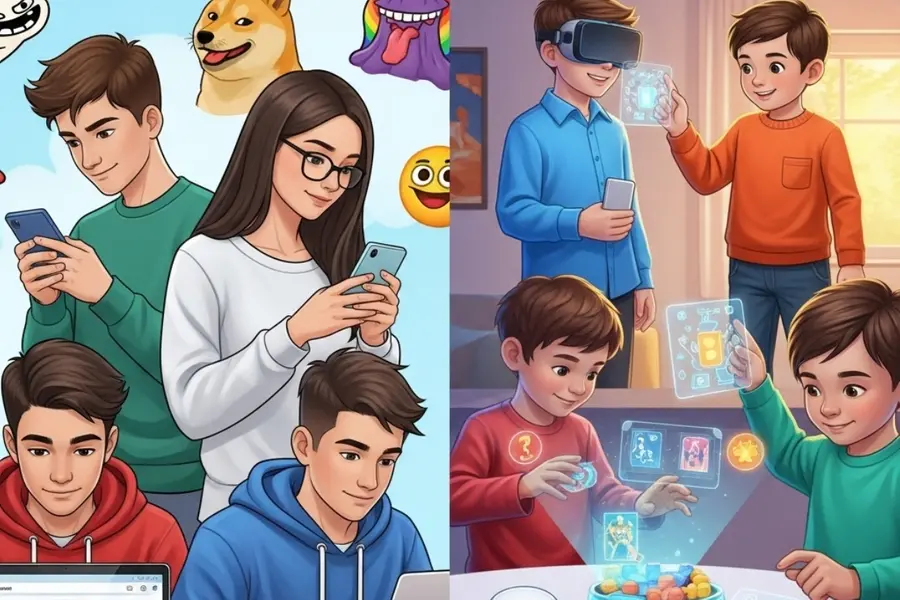
From being social media pioneers to growing up with artificial intelligence, the world’s youngest generations—Gen Z and Gen Alpha—are transforming how society communicates, works, and thinks. But what truly separates them, and what do these changes mean for the future?
Who are Gen Z and Gen Alpha?
Also Read

Generational definitions vary slightly across research institutes, but most experts define Generation Z as those born between 1997 and 2012, while Generation Alpha includes individuals born from 2013 to 2025.
According to McCrindle Research, which first coined the term Gen Alpha, this group will become the largest generation in history—nearly 2 billion people worldwide by 2025. They are the children of Millennials and younger Gen X parents and are growing up in an era defined by AI, automation, and digital immersion.
Technology natives vs digital siblings
Gen Z is known as the first “digital native” generation, having grown up alongside the rise of smartphones, social media, and the internet. They witnessed the evolution of platforms such as Instagram, Snapchat, and TikTok and have seamlessly adapted to each digital wave.
In contrast, Gen Alpha has never known a world without these technologies. They are “digital siblings”—children born into homes with smart speakers, AI assistants like Alexa, and devices integrated into daily life. Their toys often use augmented reality, and classrooms increasingly rely on AI-based learning tools.
According to the Pew Research Center, Gen Alpha will likely be the most technologically literate generation yet, with over 90% of children under 12 expected to use a smartphone by 2030.
Also read: Gen Z employee’s honest leave request goes viral after boss approves
How slang and communication evolved
Gen Z transformed internet language into mainstream culture. Their slang—words like “lit,” “rizz,” “no cap,” and “vibe check”—originated from social media and meme culture.
However, Gen Alpha’s communication style takes this further. Their slang is more conceptual and layered with irony. Phrases such as “negative aura” for bad situations or “drippy” for something impressive reflect a hybrid of humour and emotional awareness shaped by AI and influencer culture.
Language researchers note that Gen Alpha’s communication will be more visual, fast-paced, and emotionally coded, driven by emojis, GIFs, and short-form video rather than text.
Mental health: From awareness to normalisation
For Gen Z, mental health advocacy has been a defining cause. They have normalised conversations around anxiety, depression, and burnout, especially following the Covid-19 pandemic. Surveys by the American Psychological Association show that nearly 90% of Gen Z adults believe mental health care should be prioritised as much as physical health.
Gen Alpha, meanwhile, has entered a world where such openness already exists. Mental wellness is not taboo—it’s a default value. Experts predict this will lead to greater integration of mental health education in schools, mindfulness-based learning, and more empathetic workplaces in the future.
Generational theory in real life
Aria, a 12-year-old student, said, “Our generation, Gen Alpha, has grown up with tablets and smart gadgets from the very start. We love gaming, super into AI, and care deeply about issues like climate change and mental health. We prefer a calm, balanced approach to life.”
Meanwhile, 25-year-old software engineer Rohan commented, “As older generations retire and Millennials take on leadership roles, Gen Z and Gen Alpha are reshaping workplace and societal expectations. They prioritise purpose, balance, and authenticity over just a salary. At first, it can feel overwhelming, but it’s bringing a completely fresh perspective.”
Two generations, one evolving future
While Gen Z and Gen Alpha share a strong digital foundation, their outlooks differ subtly. Gen Z values activism and authenticity, while Gen Alpha may focus on innovation, comfort, and digital creativity.
As workplaces, schools, and societies adapt, these two generations are expected to reshape global values, from education and mental health to environmental awareness and online culture.
The evolution from Gen Z to Gen Alpha marks more than a shift in years—it represents a fundamental transformation in human interaction, driven by technology, empathy, and global awareness.
Published: 30 Oct 2025, 12:32 pm IST
Related Topics
Disclaimer: Kindly avoid objectionable, derogatory, unlawful and lewd comments, while responding to reports. Such comments are punishable under cyber laws. Please keep away from personal attacks. The opinions expressed here are the personal opinions of readers and not that of Mathrubhumi.