
A new study published in The Lancet Regional Health – Southeast Asia has raised alarm over rising kidney disease among farmers in Tamil Nadu
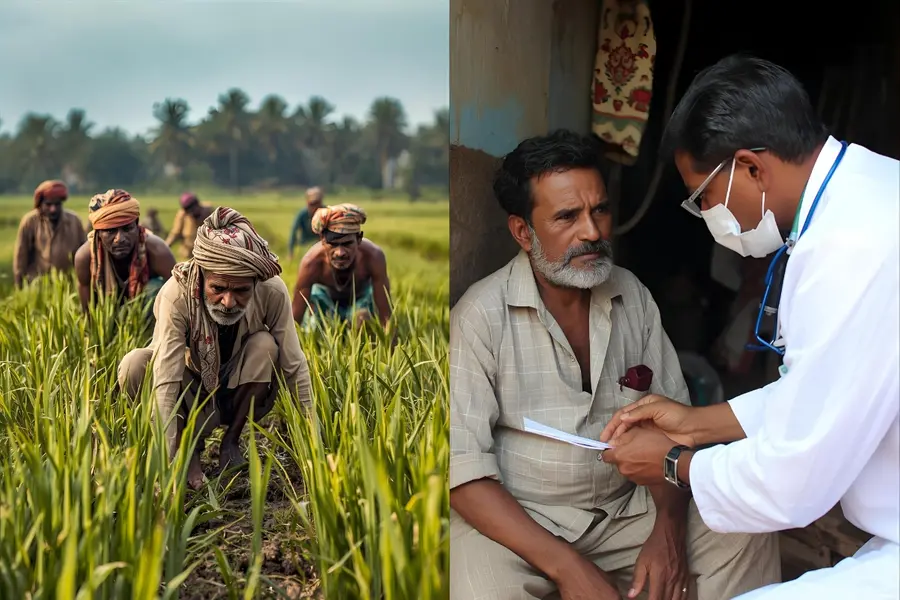
Chennai: A recent study published in The Lancet Regional Health – Southeast Asia has raised alarm over a growing health issue among Tamil Nadu’s agricultural community. The report, led by the Nephrology Department of Madras Medical College, found that 5.13 percent of farmers in the state suffer from chronic kidney disease (CKD).
What did the study reveal?
The research, conducted in August and September 2023, examined 3,350 agricultural labourers across 125 villages. In the first phase, 17.43 percent showed kidney-related problems. After follow-up healthcare measures and re-examinations three months later, the rate declined to 5.13 percent.
Interestingly, around half of the affected farmers had no diabetes, hypertension, or other chronic conditions typically linked to kidney issues, suggesting an environmental or occupational cause.
What is Chronic kidney disease (CKD)?
Chronic kidney disease (CKD) is a long-term condition in which the kidneys gradually lose their ability to filter waste and excess fluids from the blood. This leads to the accumulation of toxins in the body, affecting various organs and overall health.
CKD often develops silently over years, showing few or no symptoms in the early stages. Common causes include diabetes, high blood pressure, genetic factors, infections, or long-term exposure to toxins and heat. If left untreated, CKD can progress to kidney failure, requiring dialysis or a transplant.
In the Tamil Nadu farmers’ case, as highlighted by The Lancet study, CKD appears to be linked not to traditional risk factors like diabetes or hypertension but to occupational heat stress—working long hours in extreme sunlight, leading to dehydration and kidney strain.
How is heat exposure affecting farmers’ health?
According to the study team led by Dr N. Gopalakrishnan, Secretary of the State Organ Transplant Commission, prolonged exposure to direct sunlight is a significant factor behind the rising cases. Farmers, construction workers, brick kiln workers, and others who work long hours under extreme heat are losing body fluids rapidly, resulting in dehydration and kidney strain.
The report highlights that such individuals often do not notice symptoms until kidney function is severely compromised.
What precautions can prevent kidney problems?
The researchers recommend that workers exposed to sunlight for extended periods should stay hydrated and undergo periodic health checks, including blood urea, creatinine, and urine tests. Detecting abnormalities early can prevent permanent kidney damage.
The study serves as a public health warning for states with similar climatic and occupational conditions.
Why is this a wider public health concern?
Half a century ago, chronic illnesses like diabetes, hypertension, and kidney disease were relatively rare in India. Today, lifestyle changes, climate stress, and environmental exposure are making such conditions common, even among rural populations.
Experts urge the government to enhance rural health screening programmes and ensure better awareness of dehydration-related risks.
The Lancet paper notes that 5.31 percent of Tamil Nadu’s agricultural workers have chronic kidney disease, with nearly half the cases classified as CKD of unknown origin (CKDu). The findings underscore that heat stress and dehydration may be emerging as key occupational hazards in India’s agricultural sector.
Published: 30 Oct 2025, 09:27 am IST
Disclaimer: Kindly avoid objectionable, derogatory, unlawful and lewd comments, while responding to reports. Such comments are punishable under cyber laws. Please keep away from personal attacks. The opinions expressed here are the personal opinions of readers and not that of Mathrubhumi.
