
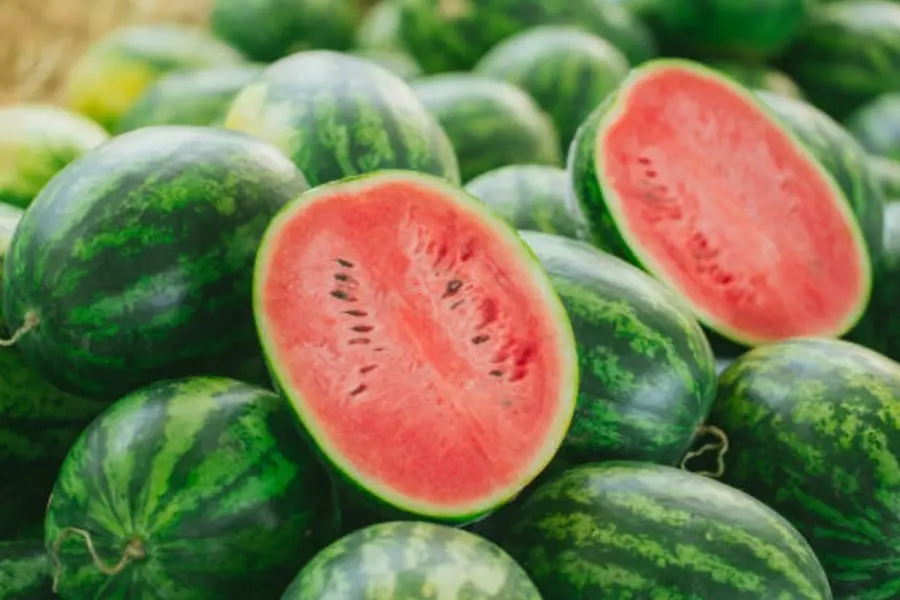
During the summer months, the sight of a red, cut watermelon by the roadside can be tempting. However, there are a lot of adulterated watermelons in market, raising concerns about fruit quality and safety. Here are a few tips to help ensure you are buying fresh, healthy watermelon and avoid being deceived by substandard produce.
What is adultered watermelon?
Adulterated watermelon refers to fruit that has been tampered with using harmful chemicals, dyes, or artificial ripening agents to enhance its appearance or weight. Common adulteration methods include injecting artificial colour to make the flesh look redder, adding water to increase weight, or using chemicals to preserve freshness. These practices can be harmful to health, making it important to buy watermelons from trusted sources and check for signs of natural ripeness.
How to select the best watermelon: When buying watermelon, colour matters. A watermelon with a vibrant, suitable colour is typically a better choice than one with dull skin. A key indicator of ripeness is the sound it makes when you knock on it – a hollow, light sound suggests that the fruit is full of water and well-structured. Additionally, check the watermelon for any blemishes or bruises, as these may indicate damage or spoilage.
Another useful tip is to look for yellow spots on the bottom of the watermelon. These spots usually indicate that the watermelon was harvested at the right time. However, pale or white spots may suggest that the fruit was picked before it reached full ripeness.
Health benefits of watermelon: Known locally as ‘Vataka’, watermelon is not only a refreshing fruit but also packed with essential nutrients. Comprising about 90-92% water, watermelon is an excellent choice for hydration, particularly during the summer heat. It contains around 16 calories per 100 grams and is rich in vitamins C, A, B6, as well as potassium and magnesium.
The fruit is especially beneficial for those with high blood pressure, as potassium and magnesium help regulate blood pressure. Its vitamin C content also acts as a potent antioxidant, fighting free radicals that can lead to various diseases.
Watermelon can aid in digestion, keep your body hydrated, and is good for individuals with anemia due to its iron content. While the red portion of the fruit is often considered the tastiest, the light green fleshy part near the skin offers more nutritional benefits. As a low-calorie fruit, watermelon is also suitable for those managing their weight.
Precautions: Despite its many benefits, watermelon may not be ideal for everyone. Diabetics should avoid consuming watermelon juice, as it can raise blood sugar levels. However, it can be consumed in moderation with salads or other foods.
While watermelon remains a popular choice for quenching thirst and boosting hydration during the summer, it’s crucial to be vigilant when buying it. Ensure that the watermelon is fresh, free from blemishes, and picked at the right time to get the best of both nutrition and taste.
(Disclaimer: This article is for informational purposes only. Always seek the advice of a healthcare professional for specific dietary recommendations, especially if you have pre-existing medical conditions such as diabetes.)
Published: 14 Apr 2025, 08:21 pm IST
Related Topics
Disclaimer: Kindly avoid objectionable, derogatory, unlawful and lewd comments, while responding to reports. Such comments are punishable under cyber laws. Please keep away from personal attacks. The opinions expressed here are the personal opinions of readers and not that of Mathrubhumi.
