
Bun Maska with Irani chai is Kerala’s latest food craze, with roadside stalls drawing late-night queues and viral social-media reels.
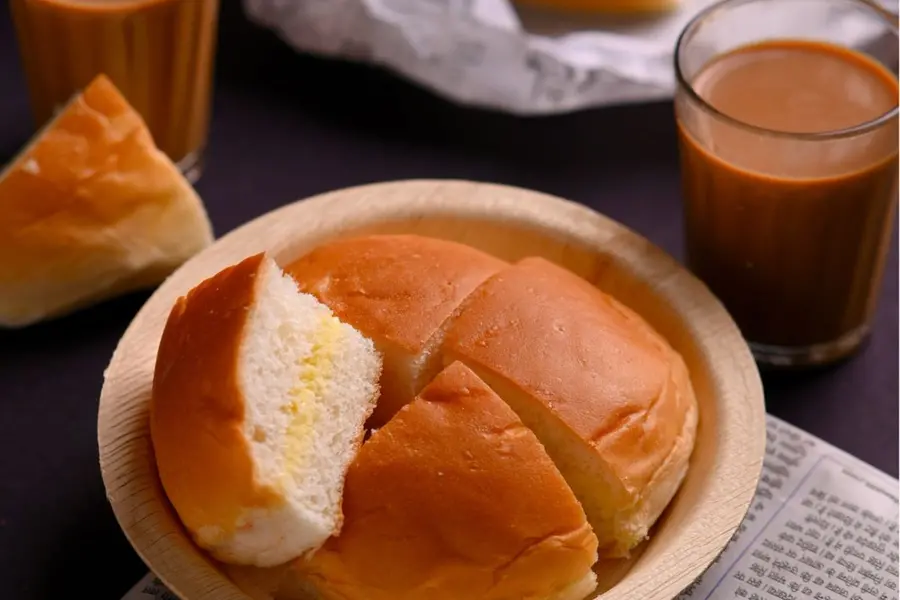
Kerala’s latest food craze isn’t a fancy dessert or a complicated cafe dish; it’s the humble bun maska. Roadside stalls and pop-ups across cities are pulling in huge crowds, with queues stretching late into the night for a buttered bun served with tea, mostly Irani chai, or sometimes coffee or hot chocolate.
Social media is flooded with bun maska reels, reviews and home-recipe videos, and many are now asking: how did a simple snack from Mumbai become such a big deal in Kerala?
The social media buzz
The rise of bun maska comes down to a few clear reasons: nostalgia, price and the way it fits into cafe culture today. A warm bun with butter, milkmaid and sometimes a hint of vanilla or cinnamon, along with a hot cup of tea, makes a comforting combination that people enjoy and love to photograph.
The pop-up model adds to the buzz, limited servings and shifting locations make it feel like something you don’t want to miss. And at ₹50 a plate, it’s affordable for students, families and office-goers.
Social media has pushed the trend further. Instagram and Reddit are full of posts from people happy to see a basic roadside snack becoming something everyone is talking about.
Where did it begin?
Bun maska, however, is not new. It was brought to India by the Parsi community and became popular in the Irani cafes of Mumbai and Pune, a soft bun sliced and generously buttered, sometimes toasted on a tawa, sometimes finished with sugar or jam, and usually eaten with strong, milky chai. Some people even dip the bun into the tea.
From Irani cafes to Kerala’s pavement stalls and cafes, bun maska has travelled a long way. It may be simple, but it has become a shared experience, something that brings people together and turns everyday bread and butter into a trend.
Published: 01 Dec 2025, 11:17 am IST
Related Topics
Disclaimer: Kindly avoid objectionable, derogatory, unlawful and lewd comments, while responding to reports. Such comments are punishable under cyber laws. Please keep away from personal attacks. The opinions expressed here are the personal opinions of readers and not that of Mathrubhumi.
