
Think Christmas pudding is just tradition? Think again! This festive favorite is a chemical masterpiece.
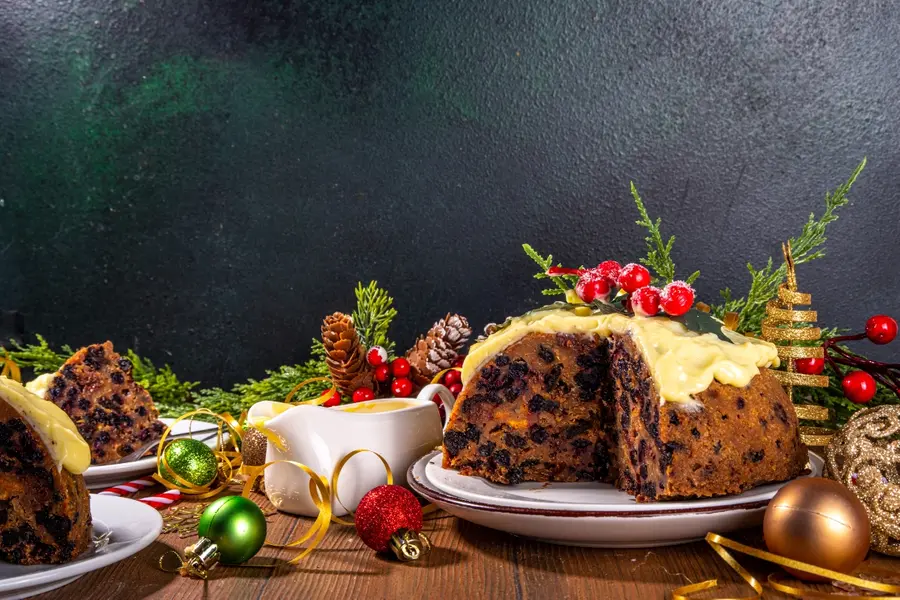
The Christmas pudding is a staple of the festive table, defined by its dense texture and complex profile of spices and spirits. While many view the preparation as mere tradition, the process relies on specific chemical reactions, from osmotic preservation to molecular denaturing, that transform a simple batter into a long-lasting dessert.
The Evolution of Fruit and Flavour
A modern pudding relies heavily on dried grapes, such as raisins, currants, and sultanas, alongside candied citrus peel and cherries. The transition from fresh to dried fruit involves more than just moisture loss; it initiates a series of chemical transformations.
As fruit dries, volatile flavour compounds are lost, but new ones develop through enzymatic browning and the transformation of fatty acids. Candied fruits undergo a specific process where they are heated in sugar syrup. This replaces the fruit’s water content with sugar, resulting in a chewy texture.
This high-sugar environment serves a dual purpose. Through osmosis, the sugary surface draws water out of any bacteria or fungi that come into contact with it, making the fruit inhospitable to microbes and ensuring the pudding's long shelf life.
Rehydration and Preservation
Before the pudding is assembled, the dried fruits are typically soaked in spirits such as brandy, rum, or cognac. This serves two vital functions:
- Moisture Retention: Rehydrating the fruit prevents it from absorbing moisture from the pudding batter during cooking, ensuring a succulent "crumb".
- Microbial Inhibition: The presence of ethanol acts as a secondary preservative, further protecting the dessert from spoilage during the maturation period.
The Chemical Signature of Spice and Fat
The distinctive aroma of a Christmas pudding is the result of a specific chemical "fingerprint" provided by various spices. Key compounds include:
- Cinnamaldehyde: Derived from cinnamon.
- Eugenol: Found in cloves and allspice.
- Sabinene: The primary aromatic component of nutmeg.
The structural integrity of the pudding is maintained by lecithin, an emulsifier found in egg yolks that binds the fats and liquids. Traditionally, suet (raw beef fat) is used for richness. Suet has a high melting point, which allows it to bind to the starches in the flour, keeping the pudding moist even after weeks of storage.
The Physics of Steaming
Unlike baking, which uses the dry heat of an oven, steaming provides a consistent environment of 100°C. This temperature is critical for several simultaneous reactions:
- Gelatinisation: Starches in the flour absorb water and swell, providing structure.
- Denaturing: Egg proteins unravel and bond together, setting the mixture.
- Leavening: The heat activates the baking powder, providing the necessary rise.
Because steam prevents the temperature from exceeding the boiling point of water, there is no risk of the sugar-rich fruit burning or the exterior becoming overly dry.
The Spectacle of Combustion
The tradition of "firing" the pudding involves pouring warmed, high-proof alcohol over the dessert and igniting it. The resulting blue flame indicates complete combustion, where the ethanol is entirely consumed.
Conversely, an orange flame suggests incomplete combustion, where carbon soot is formed. These soot particles glow when heated, a process known as incandescence. While visually striking, liquid fuel fires require caution; the near-invisible nature of an ethanol flame can be deceptive and hazardous.
Coins and Curiosities
Historically, "luck tokens" such as threepence or sixpence coins were baked into the pudding. However, the move to decimal currency in the 1960s revealed a chemical conflict. Modern copper-nickel alloys react with the pudding's ingredients, often turning the surrounding cake green and tainting the flavour.
Modern food safety standards suggest that if tokens are used, they should be made of silver or inserted only after the cooking process is complete to avoid both chemical reactions and potential dental hazards.
Published: 24 Dec 2025, 01:40 pm IST
Related Topics
Disclaimer: Kindly avoid objectionable, derogatory, unlawful and lewd comments, while responding to reports. Such comments are punishable under cyber laws. Please keep away from personal attacks. The opinions expressed here are the personal opinions of readers and not that of Mathrubhumi.
