

The rise of flexitarian diets and growing interest in plant-based foods suggest that consumers are becoming more selective about what they eat rather than giving up meat entirely
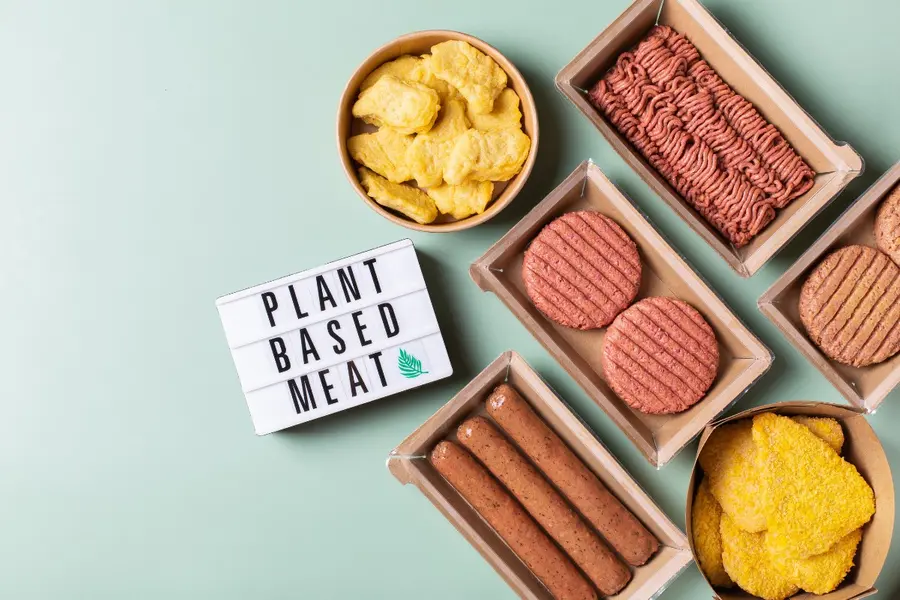
Not long ago, a meal was often expected to revolve around meat or dairy. Today, however, many people's plates look noticeably different. From oat milk in morning coffee to protein-rich lentil bowls and meat-free Mondays, eating habits are shifting in ways that would have seemed unusual a decade ago.
The rise of the "flexitarian"
One of the biggest food trends of the past few years has been flexitarianism. Unlike vegetarianism or veganism, a flexitarian diet does not eliminate meat entirely. Instead, it focuses on eating more plant-based foods while reducing meat consumption where possible.
For many people, this approach feels more realistic and sustainable than strict dietary rules. They may still enjoy chicken at a family gathering or order a burger when dining out, but they are increasingly choosing plant-based meals throughout the week.
This flexibility has made the movement appealing to younger consumers who prefer balance over restriction.
Health is driving many food choices
Health remains one of the strongest reasons people are rethinking their relationship with meat and dairy.
Research has consistently linked diets rich in vegetables, fruits, legumes, whole grains and nuts with better long-term health outcomes. Many people are also becoming more conscious about cholesterol levels, heart health, weight management and overall wellness.
Social media has further amplified conversations around protein sources, gut health, fibre intake and anti-inflammatory foods. As a result, consumers are paying closer attention to what they eat and how it makes them feel.
For some, reducing meat is not about avoiding it entirely. It is simply about creating a more balanced diet.
Climate change has entered the dinner table
Food choices are increasingly becoming part of environmental conversations.
Reports from organisations such as the United Nations and climate researchers have highlighted the environmental impact of food production, particularly livestock farming, which contributes to greenhouse gas emissions, land use and water consumption.
As awareness grows, some consumers are attempting to reduce their environmental footprint through small dietary changes. This might mean choosing plant-based meals more often, cutting back on red meat or exploring alternative protein sources.
Many people see these changes not as a sacrifice but as one of several ways to make everyday habits more sustainable.
The protein conversation has changed
A few years ago, reducing meat was often associated with sacrificing protein. Today, that perception is changing.
Consumers have become more aware of protein-rich plant foods such as lentils, chickpeas, beans, tofu, soy products, nuts and seeds. High-protein vegetarian meals are now widely promoted by nutritionists, fitness creators and health experts.
Meat alternatives are no longer the only option
Interestingly, not everyone cutting back on meat is replacing it with plant-based burgers or vegan sausages.
Many consumers are simply returning to traditional plant-based foods that have existed for generations. Lentil curries, chickpea dishes, bean-based meals and soy products often feel more familiar, affordable and less processed than some newer alternatives.
Changing lifestyles are influencing food habits
Modern lifestyles are also reshaping how people eat.
Many consumers are looking for foods that align with fitness goals, weight management plans or wellness-focused routines.
Meal planning, calorie tracking and mindful eating have become more common, particularly among younger adults.
So, have we really lost our appetite?
Not necessarily.
The evidence suggests that most people are not abandoning meat and dairy altogether. Instead, many are becoming more conscious about how much they consume and why.
Rather than a dramatic shift towards veganism, what we are witnessing is a gradual movement towards dietary flexibility. Consumers are mixing plant-based meals with traditional foods, prioritising health and sustainability while maintaining personal preferences.
In other words, it may not be that we've lost our appetite for meat and dairy. We are simply becoming more thoughtful about what ends up on our plates.
(Disclaimer: This article is intended for informational purposes only and should not be considered medical, nutritional or dietary advice. Consult a qualified healthcare professional before making significant changes to your diet.)
-Compiled by Salma
Published: 17 Jun 2026, 03:32 pm IST
ABOUT THE AUTHOR
Related Topics
Disclaimer: Kindly avoid objectionable, derogatory, unlawful and lewd comments, while responding to reports. Such comments are punishable under cyber laws. Please keep away from personal attacks. The opinions expressed here are the personal opinions of readers and not that of Mathrubhumi.