
A new study reveals birds across continents use a shared call to warn of brood parasites like cuckoos
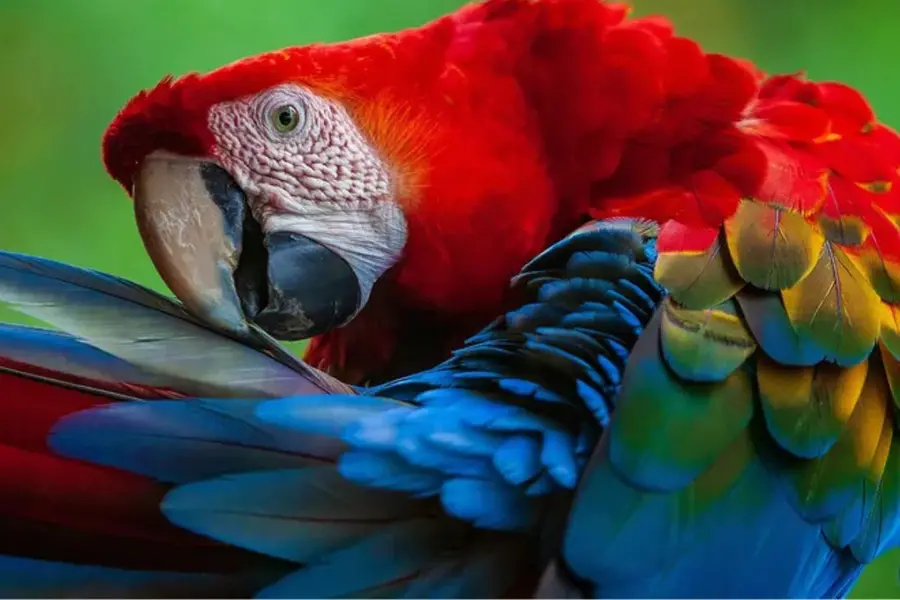
A new global study has revealed that birds from vastly different species and continents use a remarkably similar alarm call to warn of brood parasites such as cuckoos — marking a rare example of a “universal language” in the animal world.
Published in Nature Ecology and Evolution, the study found that over 20 bird species — from Australia to Africa to Asia — produce an almost identical sound when spotting brood parasites that threaten their nests.
The call, researchers say, is both instinctive and learned, offering new insights into how complex communication systems, including human language, may have evolved.
Brood parasites like cuckoos are notorious for laying their eggs in the nests of other birds, tricking them into raising their young. The cost to the host is often devastating — cuckoo chicks typically evict their foster siblings, monopolising food and parental care.
Researchers first noticed the curious “anti-cuckoo” call in Australia’s superb fairy-wren, which raises an alarm that rallies nearby birds to mob the intruder.
To their surprise, other bird species — even those thousands of kilometres away and separated by 50 million years of evolution — were making the same sound for the same reason.
By analysing global databases and conducting playback experiments, scientists confirmed that this specific call is produced almost exclusively in response to brood parasites, not predators.
Birds in different regions even recognised and responded to recordings of the call made by unrelated species on other continents. “This suggests birds across the world share a common ‘word’ to warn of cuckoos,” researchers said.
What makes the finding even more remarkable is how this call combines instinctive responses with learned behaviour. While birds instinctively react to the sound, young birds only learn to produce it after seeing others do so during a cuckoo encounter.
This hybrid nature — part innate, part acquired — may represent the evolutionary “missing link” between simple animal vocalizations and the symbolic communication that defines human language.
As Charles Darwin speculated over 150 years ago, the use of instinctive sounds in new contexts might have been the first step towards language, and now, birds around the world may be living proof of that idea.
Published: 06 Oct 2025, 02:44 pm IST
Related Topics
Disclaimer: Kindly avoid objectionable, derogatory, unlawful and lewd comments, while responding to reports. Such comments are punishable under cyber laws. Please keep away from personal attacks. The opinions expressed here are the personal opinions of readers and not that of Mathrubhumi.
