
In most of India, Navratri means fasting, sattvik thalis and abstinence from meat. But in Bengal, the same festival is celebrated with kosha mangsho, ilish machh and biryani.
Kolkata: Navratri is just around the corner, and across much of India, households are preparing for nine days of fasting, devotion, and sattvik meals dedicated to the nine forms of Ma Durga.
Sabudana khichdi, fruit platters, kuttu puris and vrat-friendly thalis dominate plates, while meat, onion and garlic quietly disappear.
However, in Bengal, the same period ushers in an entirely different mood. Here, Navratri is the prelude to the state’s grandest celebration — Durga Puja.
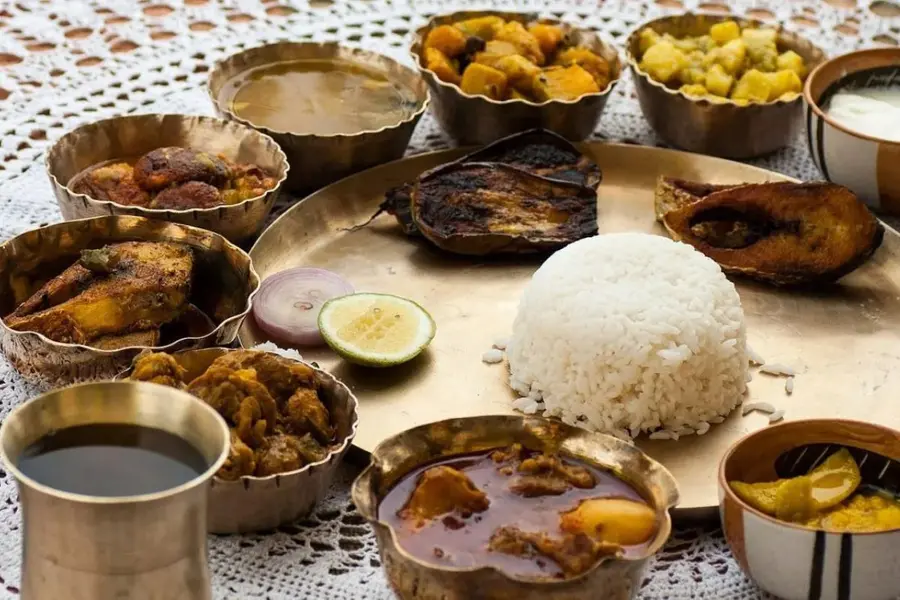
The aroma of kosha mangsho, ilish machh, biryani and chicken curry wafts through kitchens, surprising many outside Bengal who associate devotion only with abstinence.
For Bengalis, however, eating fish and meat during Navratri is not defiance but tradition.
It reflects a cultural belief that devotion can be expressed through feasting as much as fasting — a celebration of the Goddess’s homecoming.
The Historical and Cultural Roots
Bengal’s geography and history shaped its food culture. Surrounded by rivers and fertile land, fish became the lifeline of Bengali cuisine.
Historian Nrisingha Bhaduri notes that in Bengal, non-vegetarian food during religious festivals has long been considered a divine blessing.
The Shakta traditions of goddess worship view both vegetarian and non-vegetarian offerings as equally sacred, unlike Vaishnavite traditions elsewhere in India that emphasise vegetarian purity.
Temple practices also reflect this belief. Rituals for Kali often include goat sacrifices, with the cooked meat later shared as prasad.
Even Durga Puja bhog varies — while pandals typically serve khichuri, labra and payesh, some communities also include fish and meat.
A Practical Angle
Beyond tradition, Bengal’s humid climate and river-fed abundance made fish and meat staple proteins for generations.
Unlike the arid regions of western and northern India, where vegetarian diets were sustainable and seasonal, Bengalis never adopted nine days of strict fasting. Instead, indulgence became a way of honouring the goddess.
What’s on the Bengali Plate?
During Durga puja in Bengal, homes celebrate with:
- Kosha Mangsho – slow-cooked mutton curry with luchis
- Ilish Machh – hilsa steamed in mustard or fried
- Chicken Curry with Potatoes – a homely classic
- Mutton Biryani – Kolkata-style, with its signature potato
- Fish Fry and Curries – from rui to bhetki
At the same time, pandals serve wholesome vegetarian bhog — khichuri, labra, chutney, and payesh. On the streets, food stalls brim with phuchkas, egg rolls, chops, and Mughlai parathas, creating a carnival of flavours.
A Tale of Two Navratris
While states like Uttar Pradesh, Gujarat and Rajasthan mark Navratri with vrat-friendly vegetarian thalis, Bengal embraces feasting alongside devotion.
Biryani stalls stand beside Durga Puja pandals, and no one sees it as sacrilege. Instead, it’s a festive indulgence.
This contrast highlights India’s cultural diversity. The same festival takes on different flavours depending on where you are — from sabudana khichdi in the North to kosha mangsho in the East.
Navratri, in its many forms, is proof that food remains central to how Indians celebrate faith. Happy Navratri, everyone!
Published: 23 Sept 2025, 10:44 am IST
Related Topics
Disclaimer: Kindly avoid objectionable, derogatory, unlawful and lewd comments, while responding to reports. Such comments are punishable under cyber laws. Please keep away from personal attacks. The opinions expressed here are the personal opinions of readers and not that of Mathrubhumi.
