
Admitting you're wrong is tough, but it’s a vital skill that builds trust, sharpens thinking, and deepens relationships
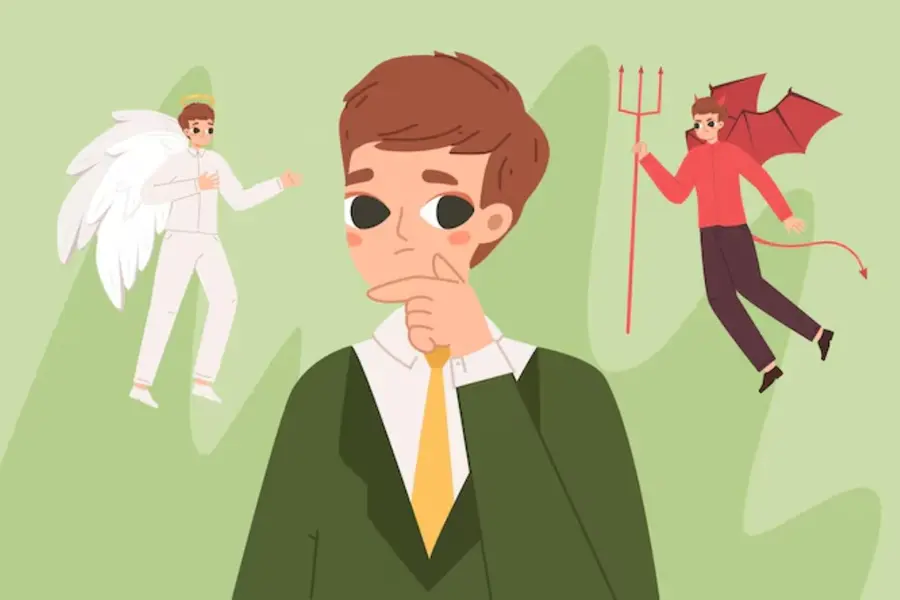
We’ve all been there. You're explaining something confidently — maybe a fact you read online or just defending your favourite way to download a movie — when someone corrects you. Suddenly, your face feels hot, your stomach drops, and a wave of defensiveness creeps in. You’re not alone. Being told you're wrong stings.
But here’s the thing: admitting you’re wrong isn’t a weakness — it’s a skill. And it’s one grounded in something psychologists call intellectual humility.
What is intellectual humility?
Put simply, intellectual humility is the ability to admit that you might not know everything and to stay open to learning from others. According to psychology, people who show high intellectual humility tend to think more critically, are less biased, and are better at adjusting their beliefs when presented with new evidence. In contrast, those lacking humility often double down — even when they’re clearly off the mark.
Why it matters in relationships
It’s not just about being right or wrong — it’s about how you relate to others.
Therapists say that refusing to acknowledge your mistakes can chip away at trust, especially in close relationships. On the flip side, being able to say, “You’re right, I got that wrong,” can open the door to deeper understanding and connection.
Research backs this up. Couples who score high in intellectual humility tend to have fewer toxic arguments, better communication, and stronger emotional bonds — especially during big life changes like becoming parents.
Psychologists add that humility makes us more likeable. People are naturally drawn to those who are willing to listen and admit they don’t have all the answers — whether it’s in a friendship, workplace, or romantic relationship.
How to know if you struggle with it
According to neuroscientists studying ideological thinking, many people don’t realise how rigid their thinking has become. One clue? Feeling personally attacked when someone disagrees with you or challenges your beliefs. Another? Becoming defensive about small changes to your routine.
If you’re wondering how intellectually humble you really are, start by paying attention to your reactions. Do you listen carefully during disagreements, or are you quick to argue your point? Asking close friends or colleagues for honest feedback on how open-minded you seem can also be eye-opening.
How to build the skill
The good news? Intellectual humility can be learned and strengthened over time. Here are some practical ways to get started:
- Reframe what it means to be wrong
Being wrong doesn’t mean you’re stupid — it means you’re learning. As experts put it, progress only happens because people are willing to change their minds.
- Listen — really listen
Deep listening is a powerful act. Studies show that being a good listener not only fosters humility in yourself but encourages it in others too.
- Reflect on past mistakes
Thinking about a time you were wrong — and how that helped you grow — can make it easier to accept feedback in the future.
- Create safe spaces for growth
Trying to help someone else develop humility? Don’t lecture. Share an article, take a quiz together, or reflect on your own growth. Let it be a shared journey, not a judgement.
- Putting It into practice
You don’t have to admit you're wrong in the heat of the moment. Experts advise that taking time to process and revisit the conversation later is perfectly okay. “You know what? I thought more about what you said, and you were right,” can go a long way in repairing trust and showing maturity.
And with practice, this gets easier. You’ll start recognising your missteps faster, addressing them more gracefully, and feeling more confident — not less — in your ability to grow.
Of course, in a world of echo chambers, online outrage, and polarised opinions, humility isn’t always easy. But as it reminds us, we still value these traits — even when the world makes them hard to practice.
(Disclaimer:This article is intended for general informational and educational purposes only. It is not a substitute for professional psychological advice, diagnosis, or treatment. If you are struggling with interpersonal issues or mental health concerns, consider consulting a licensed therapist or mental health professional.)
Published: 24 Jun 2025, 03:16 pm IST
Disclaimer: Kindly avoid objectionable, derogatory, unlawful and lewd comments, while responding to reports. Such comments are punishable under cyber laws. Please keep away from personal attacks. The opinions expressed here are the personal opinions of readers and not that of Mathrubhumi.
