
This incident drags the Iran-US-Israel firestorm -- already spilling into Middle East via missiles and drones --into global trade arteries
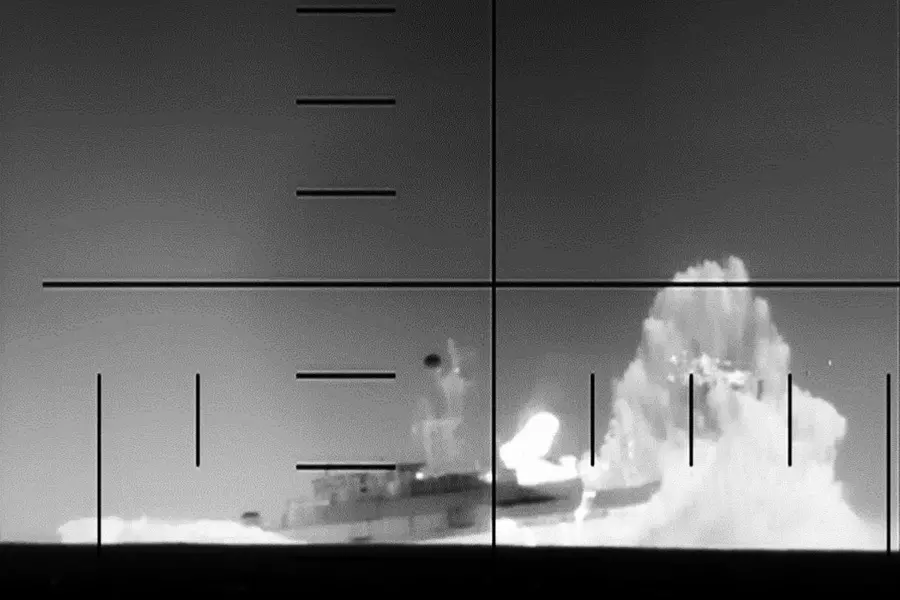
Kochi: The United States has dramatically extended its war against Iran into the Indian Ocean, sinking an Iranian warship with a nuclear submarine strike just as the vessel returned from bilateral naval exercises hosted by India. The audacious attack has sent shockwaves through geopolitical circles, shattering the relative peace of waters shared by India, Sri Lanka, Maldives, and other littoral states.
Israeli involvement was swiftly ruled out, as the Jewish state's navy operates only a fleet of five German-built Dolphin-class diesel-electric submarines. Unlike nuclear-powered vessels, diesel submarines must surface every 24 hours to vent chemical exhaust from engines and batteries, ensuring onboard ventilation and oxygen supply. Such limitations make it improbable for Israel to deploy submarines across vast distances to the distant Indian Ocean for spotting or engaging enemy ships.
A US nuclear submarine, by contrast, can lurk undetected underwater for months, underscoring American naval supremacy. The sinking shocks India and fellow Indian Ocean nations -- including China -- because it marks overt combat in a zone historically free of naval friction among littoral states.
While submarine reconnaissance is routine, open aggression against an Iranian ship fresh from international drills signals a ruthless escalation.
The sinking of the Iranian vessel highlights several critical strategic and tactical points:
Pentagon Authorization and Tracking: The precision of the attack suggests it was executed with direct clearance from the Pentagon. It required long-distance tracking to wait for the ship to exit Sri Lankan jurisdiction and enter international waters before engaging.
Tactical Execution: The use of a torpedo indicates the attacking submarine likely rose to periscope level. While submarines can hit other submerged targets from depths of 200–300 feet, attacking a surface ship typically requires ascending to ensure a clear line of fire.
Precision and Maneuverability: The submarine successfully tracked and surfaced to deliver a "textbook" shot, leaving the Iranian ship with almost no room to perform evasive maneuvers.
Strategic Capability: Although modern nuclear submarines carry various advanced missiles, the choice to use a torpedo serves as a specific demonstration of power to strategic experts.
Regional Implications: This event proves the US Navy can operate undetected far from its home bases, stealthily approaching and destroying targets in the Indian Ocean without being noticed by local naval forces. This level of undetected reach is considered a deeply concerning development for other military powers in the region.
With China voicing sharp displeasure over Iran's Supreme Leader Ayatollah Ali Khamenei's killing, the US strike carries a clear message: American forces dominate these waters and stand ready to target Chinese ships or assets transiting to aid Tehran. As a true blue-water navy armed with nuclear weaponry, the US boasts unquestioned long-range strike capability for both offense and counterattacks.
The timing raises troubling questions about the conflict's trajectory. Destroying an Iranian vessel mid-return from exercises hosted by India underscores Washington's disregard for regional sensitivities, potentially signaling more US submarines now prowling the area under direct orders from the Pentagon or Secretary of Defense to neutralize perceived threats to American or Israeli interests.
The Indian Ocean's vast expanse draws intense naval scrutiny, with most regional powers deploying submarines to monitor shipping. In response, India, China, Pakistan, and others will likely surge fleets to track US movements and brace for Iranian-US clashes spilling into this theater.
ALSO READ | Why India will suffer most if Middle East oil burns
Over 80% of global trade funnels through waters south of Sri Lanka. No shipping firm risks vessels in active crossfire, potentially halting west-to-east flows to eastern markets. Even slowdowns would spike maritime freight insurance rates, inflating consumer costs as higher bills cascade through supply chains. Maritime routes remain the cheapest freight mode, amplifying the economic sting.
This incident drags the Iran-US-Israel firestorm -- already spilling into Middle East via missiles and drones --into global trade arteries. From paralyzed Gulf hubs like Ras Tanura to Indian Ocean chokepoints, the war threatens to grind maritime commerce to a halt or severely disrupt it, delivering seismic shocks to businesses and economies worldwide in the days ahead.
Published: 04 Mar 2026, 09:41 pm IST
Related Topics
Disclaimer: Kindly avoid objectionable, derogatory, unlawful and lewd comments, while responding to reports. Such comments are punishable under cyber laws. Please keep away from personal attacks. The opinions expressed here are the personal opinions of readers and not that of Mathrubhumi.
