
The US-Iran-Israel conflict has dragged into its third month with no clear end in sight, as tensions around the Strait of Hormuz reshape global geopolitics
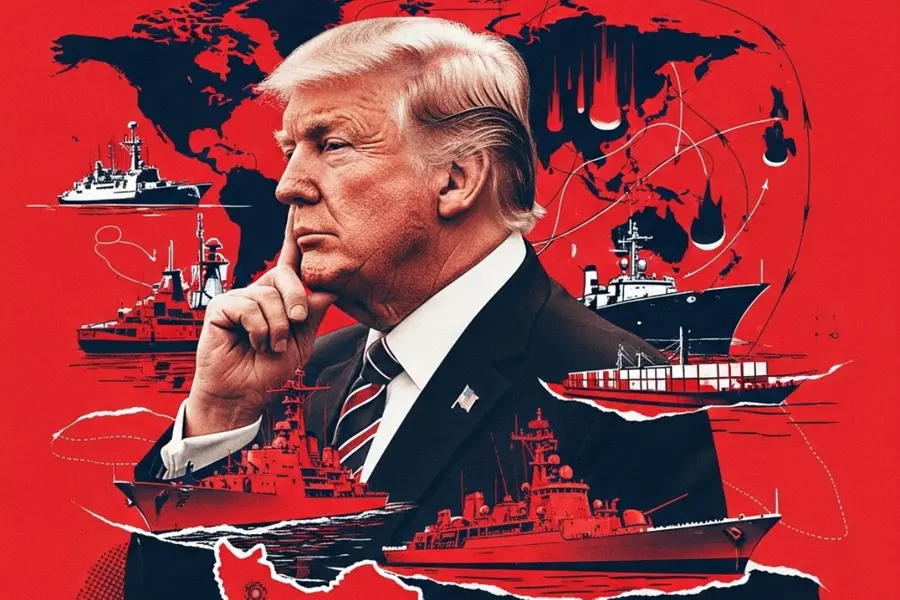
The war between America, Israel and Iran has entered its third month. Usually, in the last 200 years, most wars between countries end within three to four months. But this one shows no signs of stopping. We may actually need to change the way we look at this whole situation.
Instead of waiting for a clean ending or peace deal, this war may simply become one more chapter in the 50-year-old fight between America and Iran. Five hard truths are now shaping this conflict.
Also Read

A Long Deadlock With No Real Ending
Both sides are hurting each other. Iran has blocked the Strait of Hormuz, a very important sea route for oil and trade, while America has put an economic blockade on Iran. Yet neither side is winning. The Trump government has reportedly rejected Iran's offer to reopen the Strait in return for lifting the blockade. For those who have followed US-Iran ties for decades, this stop-start pattern of tension, fighting and small cooperation feels very familiar. Operation Epic Fury has only made Iran weaker, angrier and less ready to compromise. Groups like Hezbollah, Hamas and the Houthis are bruised but not finished. America and Israel have given Iran a setback, not a defeat. Both sides will claim victory, but another round is surely coming.
There Is No Good Deal Possible
Iran's government is a strict religious leadership that strongly opposes Israel and America. It has no interest in friendship and is determined to spread its power through proxy groups (smaller armed groups fighting on its behalf). The earlier nuclear agreement, called the Joint Comprehensive Plan of Action (JCPOA), was not perfect, but it worked because it limited Iran's nuclear program and bought time. After Trump pulled America out of that deal in 2018, even a smaller, limited agreement now looks far away. Two months of war have only made Iran more stubborn. Its leaders feel any soft deal will weaken their grip on power, so they are in no mood to negotiate.
America Is No Longer In Control
As a recent Foreign Policy analysis pointed out, the biggest move in this war did not come from Trump but from Iran, when it shut the Strait of Hormuz. Iran now treats this strait like its own "Panama Canal" — a precious strategic route — and will not give it up easily. Trump now has three painful options. Continue the blockade and hope Iran breaks. Launch a big military operation by navy, army and air force to forcibly reopen the strait. Or accept a limited deal where Iran reopens the strait and bigger issues are discussed later. The truth is bitter — America is no longer setting the rules, Iran is. And America cannot change Iran's government from outside, no matter how much pressure it applies through sanctions or strikes.
Netanyahu's Shadow Over The War
Israel's Prime Minister Benjamin Netanyahu may not decide how this phase ends, but Israel can keep the conflict alive for years. For Israel, a nuclear Iran is a direct threat to its existence. For America, it is a worry but not a survival issue. This gap creates problems. Trust in Netanyahu and Israel's spy agency Mossad has dropped because the promised quick victory never came, and the Iranian government did not collapse. Israel's continuous attacks on Lebanon are also likely to frustrate Trump, who already has too many headaches at home and abroad. In some ways, Israel may end up quietly steering America's bigger choices on Iran.
Iran Holds The Stronger Hand
Famous political expert I. William Zartman once said peace talks succeed only when both sides reach a "mutually hurting stalemate" — meaning both are bleeding and see no other way out. That moment has not come. Both America and Iran still believe they can win. But Iran's idea of victory is simpler — keep the government in power and control the Strait of Hormuz. America wants something much harder — a permanent end to Iran's nuclear plans. Talks are quietly going on through Pakistani mediators, but the gap is too wide. Quick phone calls by Jared Kushner, Steve Witkoff or JD Vance will not fix this. The bigger lesson is clear. A massive global power has been unable to defeat a medium-sized country using clever mixed methods. A war of choice, started for quick gains, very often ends in long regret.
(Girish Linganna is an award-winning science communicator and a Defence, Aerospace & Geopolitical Analyst. He is the Managing Director of ADD Engineering Components India Pvt. Ltd., a subsidiary of ADD Engineering GmbH, Germany.)
Published: 06 May 2026, 02:56 pm IST
Disclaimer: Kindly avoid objectionable, derogatory, unlawful and lewd comments, while responding to reports. Such comments are punishable under cyber laws. Please keep away from personal attacks. The opinions expressed here are the personal opinions of readers and not that of Mathrubhumi.