

The purpose of this day is to continue advocating for increased resources, research, and legislation that support cancer survivors, enhancing their quality of life during and after treatment.
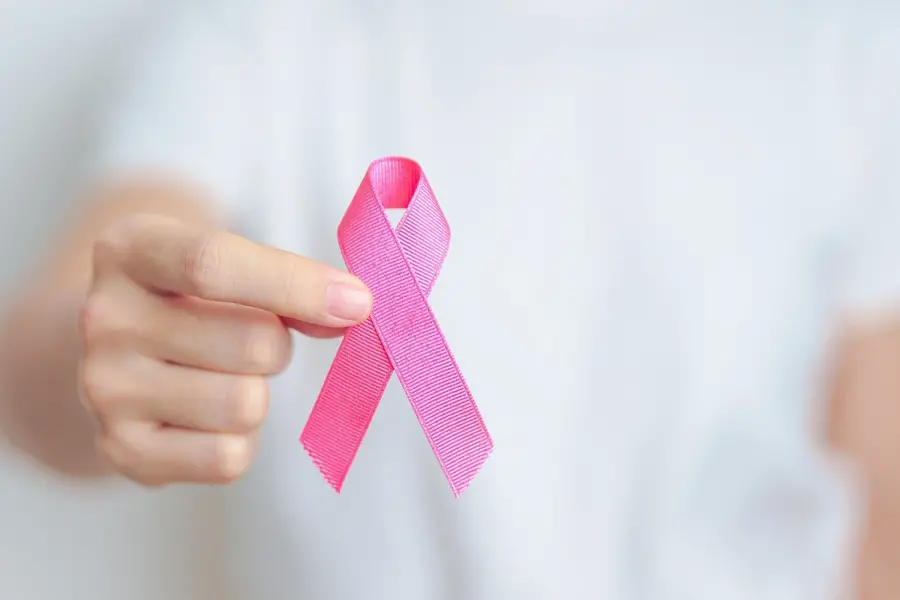
Every year, on June 2, we celebrate National Cancer Survivor Day to highlight the challenges one faces after a cancer diagnosis. Well, the good news is that the number of cancer survivors in India, as in other countries, has been rising due to improvements in detection and treatment.
However, there is a lack of comprehensive national data on the standardised number of cancer survivors, their demographics, and the complex health issues they face. According to the Longitudinal Ageing Study in India (LASI), there were approximately 2.1 million cancer survivors in India during 2017-18 (with a 95 percent confidence interval of 1.8 million to 2.6 million). The study identified a total of 440 cancer survivors, revealing significant differences among various states.
(Source: LASI wave 1 is a cross-sectional nationally representative survey of 65,562 middle and older adults aged 45 and above.)
Aim of the day: The purpose of this day is to continue advocating for increased resources, research, and legislation that support cancer survivors, enhancing their quality of life during and after treatment.
Focus on lifestyle changes: Making significant lifestyle changes can positively impact the physical and mental health of survivors. Speaking on this, Dr. C N Patil, HOD and Lead Consultant - Medical Oncology & Haemato-Oncology, Aster CMI Hospital, Bangalore, said that cancer survivors often find that adopting certain lifestyle changes can significantly enhance their overall well-being and reduce the risk of recurrence.
He said, “Key modifications include maintaining a balanced diet rich in fruits, vegetables, whole grains, and lean proteins, which can help strengthen the immune system and improve energy levels. Regular physical activity is also crucial, as it not only aids in weight management but can also alleviate stress and improve mental health.”
Stress management: Additionally, prioritising adequate sleep and managing stress through mindfulness practices or therapy can contribute to a healthier lifestyle, the doctor said.
Myths surrounding cancer survivorship: Multiple myths need to be addressed, Dr Patil said. “For instance, some believe that once treatment is completed, no further health changes are necessary, which is misleading. Ongoing health monitoring and lifestyle adjustments remain vital,”
“Another common misconception is that all cancer survivors must follow the same dietary restrictions, when in reality, individual needs can vary greatly based on the type of cancer and personal health conditions,” he added.
“By dispelling these myths and embracing a proactive approach to health, cancer survivors can foster resilience and improve their quality of life,” Dr Patil added.
Cancer survivors also undergo severe mental health challenges. Pune-based psychologist and psychotherapist, Dr Shruti Khare, said that cancer survivors face significant mental health challenges that require multifaceted coping strategies.
How to address mental health of cancer survivors: Therapy, engaging with support groups, mindfulness practices, journaling, and maintaining strong social connections can help in healing, Dr Khare said. “Rebuilding a sense of purpose, self-compassion, and engaging in meaningful activities also play a vital role in mental well-being.
The key is to understand that healing your mind takes time and can be more complicated than healing your body,” she added.
Speaking about recurrent patterns, Dr Khare said that cancer survivors might frequently face psychological difficulties such as fear of relapse, identity change, and post-traumatic stress.
“Emotional fatigue, anxiety, financial hardship, and adapting to bodily changes– all contribute to the burden. Social isolation or relationship challenges (family, spouse, children, or work) can also affect their mental health, requiring resilience and support systems,” Dr Khare added.
How can cancer survivors benefit?
Dr Khare opined that survivors should communicate their needs clearly and not hesitate to seek help when needed.
“Cultivating supportive social bonds, engaging in activities that hold personal meaning, and expressing emotions, whether through journaling, art, or guided self-reflection, are powerful ways to strengthen resilience and promote mental well-being,” she added.
Cancer survivors and how they deal with taboos:
Nobody in our society is spared. Not even someone who has fought bravely against cancer and survived. There are taboos regarding the survivor as well. Reema Bhandekar Psychologist at Mpower, Aditya Birla Education Trust, said the situation is so bad that some cancer survivors find themselves treated as ‘fragile, or even as a mark of bad luck.’
What are some of the taboos faced by cancer survivors? (Inputs by Bhandekar)
1. Emotional and sexual changes often go unspoken, surrounded by shame and fear.
2. Fear of judgment makes many hide their treatment struggles at work, risking career setbacks and financial stress.
3. In some traditional communities or religious circles, cancer is considered a punishment, leaving survivors feeling isolated and guilty.
How to break free of these taboos?
Bhandekar said that knowledge is power in overcoming fear and stigma. Here are three pointers to overcome this menace and live freely:
1. Knowing and accepting that cancer is a medical condition is the first step for cancer survivors. It’s a health challenge millions of people face, not a perceived curse or punishment from God. Going through cancer and its treatment becomes less scary, the more survivors and their families learn about it, and talk about their myths with professionals.
2. Opening up about personal struggles is never easy. When cancer survivors share their stories, the good days, the bad, and everything in between, it not only helps survivors feel less lonely in their experience, but also makes the experience more familiar to others, and inspires other fellow survivors who may be silently going through the same.
3. Cancer changes the body in ways one does not expect — scars, weight changes, or loss of function can shake anyone’s confidence. These changes don’t define a person’s importance or magnificence. Practicing compassion and working on resilience can support survivors in reconnecting with their sense of self gradually.
Celebrities who battled and survived cancer:
Yuvraj Singh, Sonali Bendre, Kirron Kher, Sanjay Dutt, Manisha Koiral, and Hina Khan are among the few Indian superstars who have won the battle against cancer.
Mathrubhumi English spoke to two cancer survivors who shared their stories:
Soma Mitra (68), Breast cancer survivor: I noticed a few lumps on my left breast in January 2018. Immediately, I consulted a specialist. Back then, I was 62 years old. The doctor confirmed the presence of tumors but was not sure if they were malignant or not.
After conducting a mastectomy, I was diagnosed with second-stage breast cancer. Dr DK Sarkar operated on me at a local hospital soon, and within seven days, he proceeded with chemotherapy.
Mitra said, “Honestly, I didn't pay much heed to cancer or its treatment, and now I have recovered. I only take one hormonal tablet now, but hopefully won’t have to take it anymore in the coming days,” she said.
Binod Gupta (66), Oral cancer survivor: I lived a carefree life and was addicted to tobacco. My days would start with consuming tobacco while reading the newspaper. This went on until August 2024, when I suddenly decided to quit consuming tobacco.
However, within weeks, I felt pangs of severe pain and was forced to visit a local ENT specialist. To my utter shock, I was diagnosed with a mouth ulcer. The doctor prescribed medicines, but was not entirely convinced, as my ulcer has not healed even in three weeks. I was asked to visit an oncologist, and my biopsy reports confirmed that I had oral cancer.
"I sat and wept. I was not scared of the surgery, I was mourning the loss of my jaw, my face. I shuddered at the thought of making my family suffer in silence. However, I knew the difference early detection and correct intervention can make," he said.
Gupta said that with proper care, doctors removed the tumor and reconstructed his jaw using a bone from the leg (fibula) in the same sitting.
“I woke up and felt my face. It was all there. I had expected to find a part of it missing. I was so happy,” I was recalling and smiling and pointing at my reconstructed jaw, scars of which are barely visible now. Early-stage cancer meant I did not even need radiotherapy, and that news elated me," Gupta added.
Published: 02 Jun 2025, 04:09 pm IST
ABOUT THE AUTHOR
Related Topics
Disclaimer: Kindly avoid objectionable, derogatory, unlawful and lewd comments, while responding to reports. Such comments are punishable under cyber laws. Please keep away from personal attacks. The opinions expressed here are the personal opinions of readers and not that of Mathrubhumi.