
The desire for emotional comfort as well as physical safety is what's bringing most of them back to the joint family arrangement
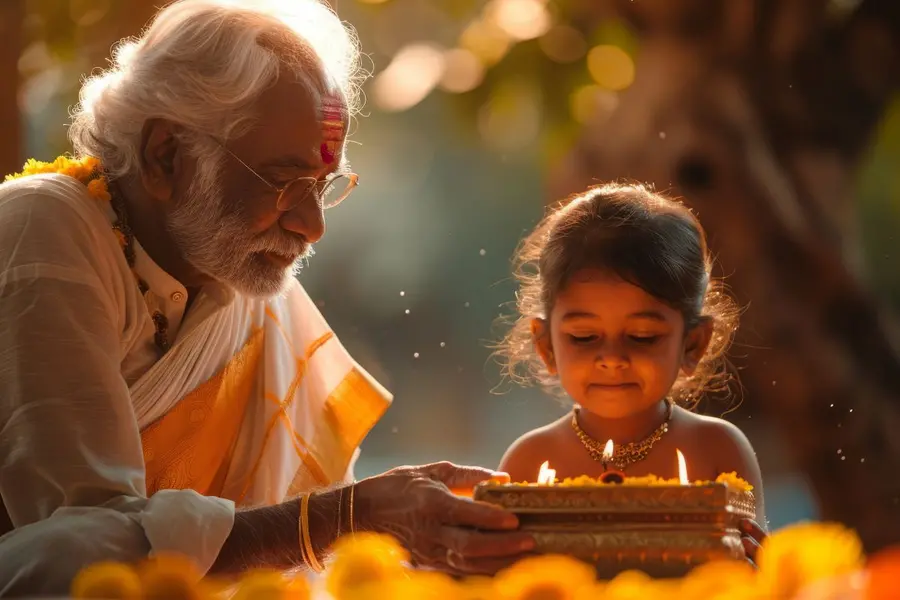
Family ties have always been deeply ingrained in Kerala's society. Traditionally, there were uncles and aunts, grandparents and cousins galore, and they all lived together under one roof, eating together, celebrating festivals together, and sharing life together. Nevertheless, during the last four decades or so, the trend toward nuclear families – only parents and children residing in small, separate units – has completely transformed this lifestyle. In an era of increasing stress, isolation, and social disintegration, Malayalis are now looking once more towards the joint family system and its contemporary equivalent: community living.
Old Structures Make a New Comeback
The disintegration of joint families in Kerala was influenced by several factors: foreign migration, men migrating to the cities for employment, women becoming full-time wage earners, smaller family sizes, and elderly parents staying alone. But now, the very lack of such strong connections has created a subdued yearning among many.
In joint families, there's always someone who is looking after the children, making the meals, or standing at the bus stop. That feeling of security and collective responsibility is being sorely missed.
The desire for emotional comfort as well as physical safety is what's bringing most of them back to the joint family arrangement. While even an unsaid word in today's age can bring mental trouble, the availability of a warm, known home is now being perceived as a materialistic solution. The children get standardised care, and the aged are kept enveloped in reverence and camaraderie.
Community Living in Kerala
At the same time, a new lifestyle trend is taking hold in Kerala – community living. As a lifestyle option between connection and independence, for a younger generation that wants both, it is an attractive middle way. In Kozhikode and Thiruvananthapuram, several community-based housing projects have come up. Some are for retired elderly citizens ("senior co-living spaces"), and others are for young professionals and freelancers ("shared urban communities").
These community living paradigms also encompass co-kitchens, libraries, medical support, co-farming, and recreational areas. They ensure privacy while also offering social interaction space, and most importantly, they are not based on blood ties but on values and lifestyles shared by them.
In contrast to conventional joint families, community living is not constrained by obligations or family hierarchy. Individuals willingly co-reside, frequently with similar-minded people, without compromising their private space. It is a new-generation solution to the contemporary individual's quest for substantial, yet not intrusive, bonding.
Joint Families vs Community Living
The conventional joint family is based on blood and hierarchy. Duties bind relationships by birth. Parents, siblings, cousins – everybody resides together under one roof, and generally, decisions are taken together. Children are raised learning ways of life through interaction with the elderly, and elderly people grow old with respect among loved ones.
Community living, in contrast, is based on a preference, rather than blood. It emphasises mutual experience, respect for one another, and non-hierarchical living. They are strongly bonded but not related to entities.
In joint families, feelings and expectations dominate. There are common pleasures but also intricate family secrets. In community living, shared facilities, collective nurture, and making each member independent are emphasised. Emotional ties may develop, but they are not a requirement.
Why Are Both These Models Relevant Today?
Kerala's contemporary social landscape is more and more fragmented: older parents living alone, young couples working and parenting together without support, and growing mental health issues among isolated persons. These factors are compelling individuals to rethink living environments where care and human connection can be re-established.
Individuals who come back from overseas or retire from jobs tend to get attracted to the concept of joint families, yearning for stability and security. At the same time, young people in cities, who are usually separated from their native places and families, like the model of community living with security, cooperation, and belonging, free from the burdens of traditional family responsibilities.
A Balanced Kerala: Looking Ahead
It's not old versus new. Kerala may adopt both models -- conventional and contemporary -- in symbiotic ways. While older generations may be comfortable in joint family setups, younger generations may like co-living arrangements that are flexible and less emotionally taxing.
Contemporary housing schemes in Kerala already reflect this change — with community kitchens, social spaces, shared garden spaces, and even in-built therapy and medical facilities. Municipal corporations and real estate companies now recognise this new requirement and develop accordingly. Even government-sponsored housing schemes are starting to provide for communal infrastructure.
What Lies Beyond the Walls
What is outside a home's walls isn't furniture or buildings -- it's love, heat, and security. You don't require a palace. A big heart and a desire to share will do. If Malayalis are reconsidering their lifestyles, it is because they are rethinking the basics: care, connection, and living together.
Yet, if joint families are returning to vogue, they have to be refashioned for the times. Families today crave independence and privacy. Thus, a new joint family has to permit children and the elderly to have their space respected. Living in a community has to be organised with compassion -- honouring each individual's boundaries while encouraging cooperation.
A State in Transition: The Journey Forward
As a people, Kerala is at a crossroads. We are heading into a hybrid future -- one that values traditional sagacity along with adaptive futurism. What we require are new ways of living that provide the security of family and the liberty of personal freedom. Homes need to be welcoming environments where several generations or even non-members can share space with dignity and happiness.
The revival of joint families isn't sentimentality — it's a crying social necessity. And the emergence of community living isn't defiance of family — it's innovative adaptation to changing realities. Together, they reveal one truth: Human beings aren't meant to live alone.
We yearn to connect — not only over social media and phones, but through meals shared together, morning conversations, and a presence when we walk through the door exhausted.
So maybe it's time for us to ask ourselves: "In this world of rapid change, can we live together again?"
If the answer is indeed, then either through a joint household or a communal living space, we are opting for something very human -- the pleasure of common life, the safety of companionship, and the comfort of home.
Published: 09 Jul 2025, 12:26 pm IST
Related Topics
Disclaimer: Kindly avoid objectionable, derogatory, unlawful and lewd comments, while responding to reports. Such comments are punishable under cyber laws. Please keep away from personal attacks. The opinions expressed here are the personal opinions of readers and not that of Mathrubhumi.
