
Some might ask why India needs Britain when we have built partnerships with Russia, France, and Israel. The answer lies in changing times. Diversification isn't weakness -- it's wisdom, says Girish Linganna
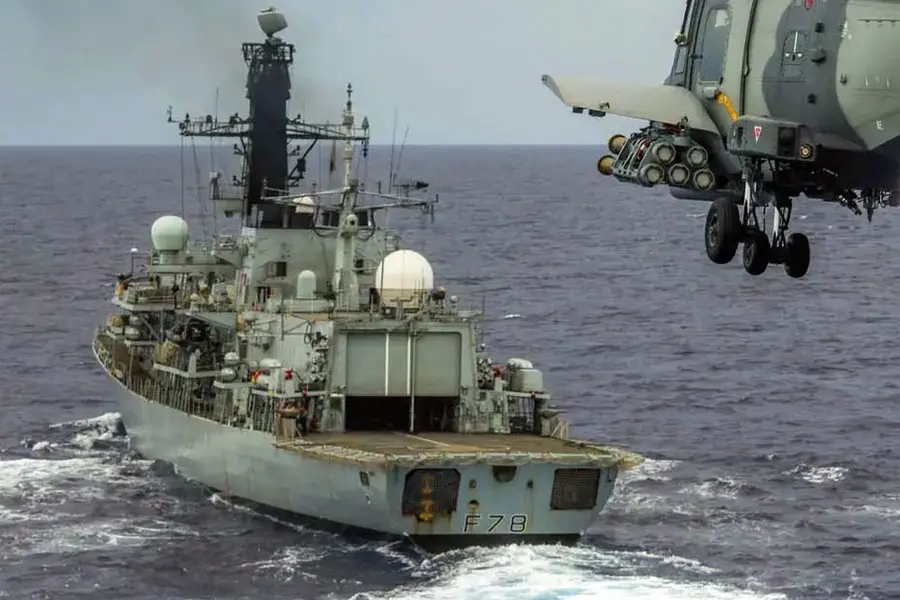
On a warm October day in Mumbai, as warships from two nations sailed together in Exercise Konkan, Prime Ministers Narendra Modi and Keir Starmer signed deals worth over ₹66,000 crore that tell a bigger story than their price tag suggests.
One agreement brings lightweight missiles to Indian soldiers. The other promises quiet electric engines for our Navy's future warships. Together, they mark a turning point in how India builds its defence capabilities --not just by buying foreign weapons, but by creating them at home with trusted partners.
The first deal, worth ₹38,500 crore (£350 million), gives India's Army the Lightweight Multirole Missile, known as Martlet in British service. This isn't some hulking beast requiring trucks and crews. At just 13 kilograms, a single soldier can carry it. Yet it flies at Mach 1.5 and can strike targets over six kilometers away -- drones, helicopters, boats, even armoured vehicles. Think of it as a Swiss Army knife for the battlefield, small enough to fit anywhere but powerful enough to matter.
Why does India need this? Our borders tell the story. Pakistani drones buzz across the Line of Control. Chinese UAVs probe our eastern frontiers. These aren't science fiction threats -- they're today's reality. Heavy air defence systems like Akash missiles have their place, but you can't station them everywhere or move them quickly. The Martlet fills that gap. Infantry units, special forces, even small Navy boats can now carry serious anti-air punch without logistics nightmares.
Ukraine has already proven these missiles work. Britain sent thousands to help defend against Russian attacks, and they've knocked down drones and helicopters in real combat. That battlefield testing matters more than any sales brochure. When India's soldiers face threats tomorrow, they'll carry weapons already proven under fire today.
But here's what makes this deal clever rather than just convenient. Under the Atmanirbhar Bharat vision, India isn't simply buying finished products. The agreement includes technology transfer and partnership with Indian companies like Bharat Dynamics Limited. The missiles will be manufactured with Thales initially, but the goal is co-production in India. We're not just getting weapons -- we are getting the knowledge to build and improve them ourselves.
The second agreement, worth ₹27,500 crore (£250 million), looks even further ahead. It focuses on electric propulsion systems for large warships -- the destroyers and frigates that will form India's blue-water navy for decades to come. This might sound technical, but the implications are profound.
Traditional warships run on diesel engines that roar like industrial machinery. That noise travels through water for miles, advertising your position to enemy submarines. Electric propulsion changes the game entirely. These systems run whisper-quiet, making ships vastly harder to detect. In a region where Chinese submarines prowl with increasing confidence, that stealth advantage could mean the difference between surprise and disaster.
There's more to it than just silence. Electric engines produce fewer emissions, aligning with India's environmental goals. They vibrate less, which means better crew comfort and more stable platforms for sensors and weapons. They are more fuel-efficient, extending range and reducing logistics burdens. And in hybrid configurations, they offer flexibility that mechanical systems simply cannot match.
The Royal Navy already uses this technology in its Type 45 destroyers and Queen Elizabeth-class carriers. By partnering with British firms like Rolls-Royce, India can skip years of expensive development. More importantly, this deal structures the relationship around joint development.
Indian engineers will work alongside British counterparts. Indian shipyards like Mazagon Dock will build these systems. Indian workers will gain skills that stay in India long after the partnership expires.
These deals also create jobs and industrial capacity on both sides. The Belfast factory employing 700 people stays secure and may expand. Indian defence corridors from Uttar Pradesh to Tamil Nadu get new projects and expertise. This is modern defence partnership -- not zero-sum competition but mutual benefit.
Some might ask why India needs Britain when we've built partnerships with Russia, France, and Israel. The answer lies in changing times. Diversification isn't weakness -- it's wisdom. Britain brings specific expertise in naval propulsion and precision weapons, plus a stable partnership less likely to face political complications.
Standing in Mumbai, watching British and Indian sailors work together, the symbolism wasn't lost on anyone. Once colonizer and colonized, now equals collaborating on cutting-edge military technology. History doesn't disappear, but it need not imprison the future.
India faces real threats requiring serious capabilities. These ₹66,000 crore agreements provide both immediate tools and long-term technological foundations. They strengthen self-reliance rather than undermining it. They build partnerships that serve India's interests without compromising sovereignty. That's the balance modern India must strike -- strong enough to stand alone, wise enough to stand with others when it serves our goals.
The author is a defence, aerospace & geopolitical analyst.
Published: 10 Oct 2025, 11:18 am IST
Related Topics
Disclaimer: Kindly avoid objectionable, derogatory, unlawful and lewd comments, while responding to reports. Such comments are punishable under cyber laws. Please keep away from personal attacks. The opinions expressed here are the personal opinions of readers and not that of Mathrubhumi.
