
Hindustan Aeronautics Limited (HAL) is looking for companies to help them build a new, advanced ejection seat for their HTT-40 training aircraft for new pilots in the Indian Air Force (IAF). It needs a special seat that can safely eject a pilot if something goes wrong. This is a big step in making the HTT-40 safer for pilots.
The ejection seat is a super-important part of any military aircraft. It is what saves a pilot's life if something goes wrong. HAL, the company that makes the HTT-40, wants to make sure the new ejection seat is the best it can be, so they have put out a request for information (RFI).
Also Read

HAL is looking for companies that can design and build a system that meets all their safety requirements and asking companies to tell them about their ideas and what they can offer.
Science of Survival: How Ejection Seat Works
Pilots are taught to consider ejection as the last resort. This is important because military aircraft are very expensive and using the ejection seat can be risky. There is no guarantee that ejection will be safe; it could lead to serious injury or even death.
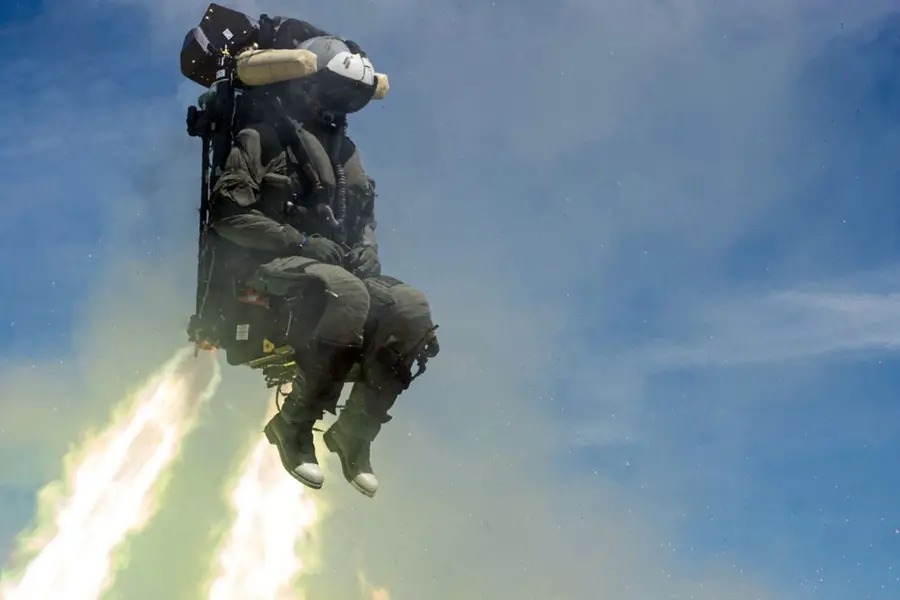
Modern ejection seats work in two phases. First, when pilots pull a handle, an ejection gun launches the seat upwards. Once the seat reaches about 3-6 feet (1-2 metres) high, the second phase kicks in, causing a strong jolt or a heavy jerk.
After the first phase of ejection, a rocket fires directly underneath the seat. Usually, the rocket consists of several small white tubes, each with nozzles for exhaust. Inside each tube is solid rocket fuel that burns for about 0.2 seconds.
Solid rocket fuel is a fuel in solid form that burns to produce thrust, helping rockets lift off and move. It is preferred in cockpits because it is more stable and easier to manage than liquid fuel. Additionally, it does not need complicated storage systems and reduces the risk of leaks.
Although it may seem to be a brief burst, the rocket can lift the pilot up to 100 feet (30 metres) above the aircraft, depending on the plane’s angle and the specific ejection seat used. This powerful lift helps ensure a pilot’s safety during an emergency.
After the second phase, a parachute pops out from the top of the seat. This initial parachute does not slow the pilot and seat down enough for a safe landing, but helps steady their fall, preventing them from spinning wildly and dangerously.
Risks in High-Altitude Ejections
After a pilot ejects below 10,000 feet (3,050 metres), a small parachute called a drogue shoots out first. This helps to open the main parachute. At the same time, the seat releases from the pilot’s safety straps, which means the seat drops away while the pilot stays safe. The pilot then floats down gently under the large main parachute, which is shaped like a big umbrella. This design ensures that the pilot can land safely while the seat falls away.
This whole process can happen in less than three seconds, from pulling the ejection handle to floating safely down under the parachute. It happens quickly and can be very rough, which might cause injuries.
If you need to eject at altitudes between 20,000 feet and 30,000 feet (6,100-9,150 metres), opening the main parachute right away would not be a good idea. It is not that the parachute would not work, but it would take 20 minutes to reach the ground. At that altitude, there is not enough oxygen to breathe, which is why oxygen bottles are usually attached to the seat.
A barometric pressure device will sense when the pilot falls below 10,000 feet (3,050 metres) and then automatically open the parachute. While the survival rate for ejections worldwide was 92% 12-13 years ago, pilots still face significant risks in order to save their lives.
Published: 09 Aug 2024, 03:55 pm IST
Related Topics
Disclaimer: Kindly avoid objectionable, derogatory, unlawful and lewd comments, while responding to reports. Such comments are punishable under cyber laws. Please keep away from personal attacks. The opinions expressed here are the personal opinions of readers and not that of Mathrubhumi.