
UDAN is transforming India’s skies, connecting remote towns, reviving airports, and making air travel accessible to all
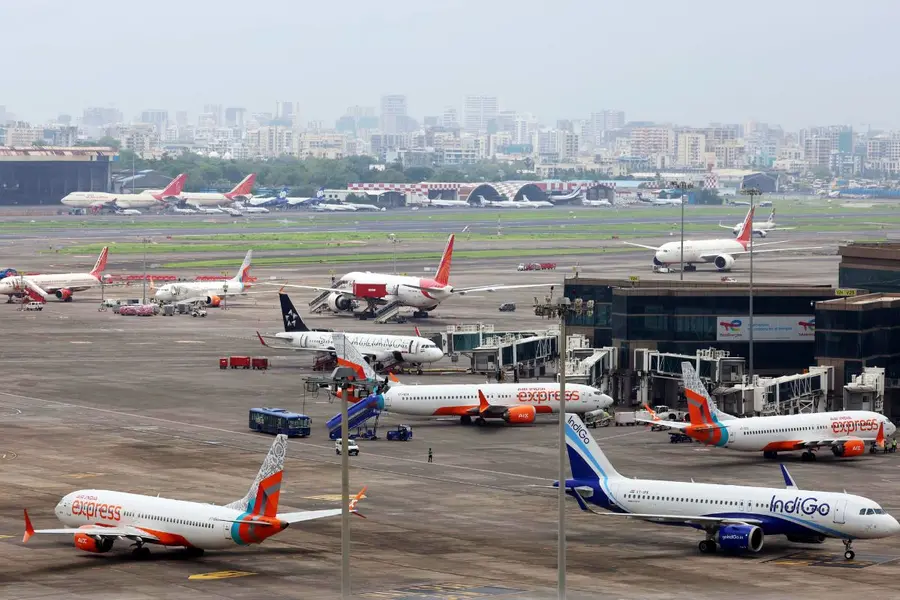
Seventy-nine years ago, India became independent and today, as we are witnessing a different dream, a different freedom shaping India’s aviation landscape. This change is not marked by headlines, but by shortened journeys, revived runways, and new horizons.
In once-remote towns where reaching the nearest city meant overnight buses or interminable trains, aircraft now touch down, carrying aspirations as vividly as passengers. UDAN—Ude Desh ka Aam Naagrik has turned this aviation dream into reality, restoring dormant airstrips, enabling first-time flyers, and affirming a belief: every Indian, regardless of geography, deserves access to the skies.
A New dawn in regional air connectivity
Since its 2016 launch, UDAN has redefined regional aviation. As of late 2024, 601 routes, 71 airports, 13 heliports, and 2 water aerodromes were operational, serving 1.44 crore passengers over 2.8 lakh flights. India’s airport count, which stood at 74 in 2014, has since more than doubled to 157 in 2024, with a vision to reach 350–400 by 2047. Looking ahead, the government plans to add 120 new destinations and serve 4 crores more passengers in the next decade.
These numbers translate into tangible change. Travel times have plunged, from 8–12 hours by road to under 90 minutes by air. Small towns are now plugged into state capitals, their local businesses are reaching new markets, and patients are obtaining critical healthcare faster. “We’ve connected places like Jeypore, Utkela, and Cooch Behar for the first time by air… opening up trade, tourism, and healthcare access for communities that were once far off the aviation grid,” explains Prem Garg, CEO of IndiaOne Air.
Captain Ravinder Singh Nandal, Co-Founder & Director of Kainos Aviation, observes, “Airports that lay silent for decades are alive once again. Regional traffic has surged; smaller airlines and helicopters are flying into new areas; UDAN has stitched remote towns into the national fabric.”
From Blueprint to Life
Hindon Airport is a second lifeline for Delhi NCR. Once a hush-bound military airstrip, Ghaziabad’s Hindon Airport is now a bustling regional gateway. Passenger traffic continues to soar with IndiGo joining Air India Express, FlyBig, and Star Air in offering direct service to nine cities, including Mumbai, Bengaluru, and Kolkata, unburdening Delhi’s main airport. While the terminal capacity rose to handle 500 passengers per hour, constraints like just two parking bays and a lack of robust last-mile connectivity remains. However, plans are in motion, discussions with AAI, MoCA, and the Defence Ministry aim to enable night landings, expand parking, and enhance terminal facilities.
Pune Airport is offering connectivity on a roller-coaster
Pune’s UDAN experience has been dynamic. Flights to Jalgaon, for instance, halve travel time and cost for passengers. Yet, frequency dropped from six UDAN flights daily to four, while some routes (like Bhavnagar) have been dropped. Stakeholders urge airlines to seize unused daytime slots and revive these regional options, a win-win for all.
Solapur & Goa—A revival story
In a region starved of air service, Solapur airport saw a post-refurbishment revival. A Goa–Solapur flight, first in 15 years, takes off four times a week under UDAN. The Maharashtra government’s INR 3,240 per-seat VGF (Viability Gap funding) will support upcoming Solapur–Mumbai and Solapur–Pune services, paving the way for future expansion and tourism growth.
Under UDAN, several new airports have emerged as vital gateways for regional connectivity, breathing life into towns that once lay far from India’s aviation map. Jagdalpur’s Maa Danteswari Airport in Chhattisgarh has become a crucial link for the remote Bastar region, handling over 55,000 passengers, a 15% rise and recording 1,464 flights with a 10% increase in the latest operational cycle.
Nearby, Ambikapur’s Maa Mahamaya Airport underwent an INR 48 crore transformation in 2023, shifting from a VIP-only strip to a full-fledged public airport, with FlyBig routes to Delhi and Raipur planned after commercial operations began in late 2024.
In Uttar Pradesh, Shravasti Airport, serving an important Buddhist pilgrimage centre, opened in March 2024, initially connecting to Lucknow and holding prospects for links to Delhi, Prayagraj, and Kanpur.
Further north, Uttarakhand’s Pithoragarh (Naini–Saini Airport) has seen explosive growth, with passenger traffic up 838% and aircraft movements surging 950%, proving how quickly such services can gain traction.
Down south, Karnataka’s Shivamogga Airport, inaugurated in 2023, has already secured flights to Bangalore and is eyeing new connections to Tirupati, Goa, and Hyderabad. Together, these success stories show that UDAN is not just laying new runways; it is opening up new horizons of opportunity and mobility in every corner of the country.
A flight plan for the future
Despite UDAN’s impressive gains, sustaining operations once Viability Gap Funding (VGF) support ends remains a formidable challenge. Experts highlight several structural issues that continue to hinder long-term viability. One major hurdle is the fleet–airfield mismatch: while many thin routes require sub-20-seat or Short Take-Off and Landing (STOL) aircraft, most operators are equipped with larger ATRs or Q400s, which are less suited to such conditions. Demand volatility is another concern, with passenger traffic often peaking during tourist or festive seasons but dipping sharply during lean periods, making it difficult to maintain consistent service. Infrastructure gaps further compound the problem as many smaller airports lack essential facilities such as hangars, refuelling stations, and night-landing capabilities, limiting operational flexibility. Adding to this is the persistent issue of slot constraints at major metropolitan airports, where congested schedules often push regional flights to less optimal timings, undermining their competitiveness and appeal.
Airports as socio-economic catalysts
UDAN’s impact extends beyond passengers. A government policy brief highlights its threefold impact: job creation, tourism boost, and business growth. For example, Kishangarh’s marble industry tripled post-connection via Hyderabad Kishangarh and Indore–Kishangarh UDAN routes. A World Bank aviation report estimates that regional connectivity can spur 3% economic growth and 6% job creation.
UDAN has also enabled airport-linked agriculture logistics under the “Krishi UDAN” initiative, moving 1000 MT in the Northeast and 70,000 MT nationwide in FY 2020–21. It has created demand across sectors like passenger, tourism, air cargo, employment and fostered inclusive growth.
State Governments can act as co-pilots in progress
Both Garg and Nandal emphasise an expanded role for state and local governments. Opportunities include:
- Co-marketing with tourism boards and event organisers to boost route awareness.
- Infrastructure support: improving shuttles, road access, airport lighting, and operational hours.
- Tax incentives: VAT/ATF exemptions to reduce fuel and operational costs.
- Leverage events: Pilgrimages, trade fairs, and festivals to drive meaningful flight demand.
Notably, Maharashtra’s VGF for Solapur flights is an excellent model of proactive local backing.
Rethinking VGF?
To safeguard UDAN routes from collapsing once subsidies end, experts recommend adopting a more nuanced and flexible Viability Gap Funding (VGF) model. Instead of abruptly withdrawing support, they propose a tapered exit over a period of three to five years, giving operators time to stabilise and build sustainable demand. Seasonal extensions could be applied to thinly trafficked routes, with periodic reviews ensuring that assistance is provided only when necessary. Performance-linked fare caps, tied to load factors and cost indices, would encourage efficiency while keeping fares affordable. Additionally, a collaborative public–private co-marketing approach could help maintain passenger interest and awareness long after the subsidy period, enabling routes to gradually transition into self-sustaining, market-driven operations.
Flying free
On this Independence Day, UDAN is India’s gift of mobility freedom. A flight from a once-forgotten airstrip is not just a journey, it is the sound of progress: a nation, its people, and its small towns, sweeping forward. As Prem Garg aptly states, “UDAN must evolve into a market-supported ecosystem, with government as enabler, not financier.” Captain Nandal adds: “With the right policies, regional aviation can stand on its own as a transport backbone.”
From Hindon to Shravasti, Pune to Pithoragarh, UDAN isn’t just about routes; it is about renewed futures. And as the tricolour flies high, so do dreams that were once grounded.
Published: 15 Aug 2025, 06:41 pm IST
Related Topics
Disclaimer: Kindly avoid objectionable, derogatory, unlawful and lewd comments, while responding to reports. Such comments are punishable under cyber laws. Please keep away from personal attacks. The opinions expressed here are the personal opinions of readers and not that of Mathrubhumi.
