
China`s revolutionary nuclear cargo ship plans zero emissions, unlimited range. Explore this groundbreaking tech set to redefine global shipping. Click to learn more!
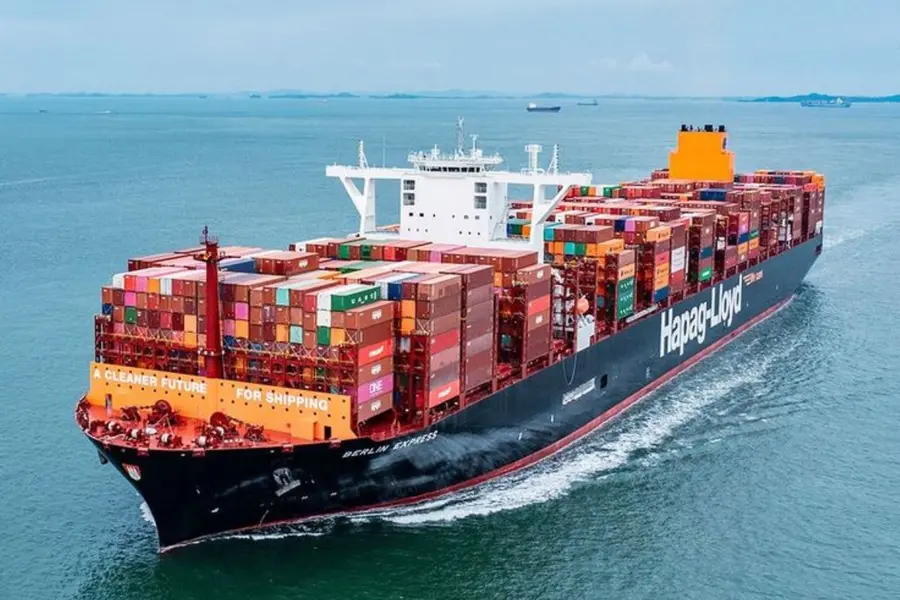
Imagine a massive cargo ship that produces no smoke, releases zero emissions, and can sail the oceans for years without stopping to refuel. It sounds like science fiction, but China is turning this into reality. The country plans to build the world's first nuclear-powered container ship, a revolutionary project that could completely transform how goods move across our planet.
Jiangnan Shipyard, a state-owned Chinese company, is developing this groundbreaking vessel that can carry 25,000 containers at once. Vice president Lin Qingshan revealed details about this ambitious project to the South China Morning Post during a major shipping conference in Shanghai. If successful, this will be the first time in history that a large commercial cargo ship runs on nuclear power. While nuclear engines already power submarines and aircraft carriers, no container ship has ever used this technology for carrying goods.
Lin Qingshan told SCMP that construction could begin in approximately 10 years. Jiangnan Shipyard is planning to build specialized facilities designed specifically for manufacturing nuclear-powered commercial vessels, though the cost of these new shipyards hasn't been disclosed yet. "We want to be a leader in this technology," Lin explained to SCMP. The ship will use a thorough-based molten salt nuclear reactor capable of generating 200 megawatts of power. This fourth-generation nuclear design is expected to function reliably for about 40 years.
The advantages of nuclear-powered cargo ships are compelling. They produce absolutely no carbon emissions, making them environmentally friendly. They can travel extremely long distances without needing to refuel, which saves time and money. Over their lifetime, fuel costs become much lower compared to traditional diesel-powered ships. Additionally, these vessels can cruise at faster speeds than conventional cargo ships, meaning goods reach their destinations quicker.
However, this revolutionary technology faces significant hurdles. Lin Qingshan admitted that regulatory challenges remain enormous. Nobody yet knows which government body would approve the construction and operation of nuclear-powered commercial ships. This uncertainty makes large-scale adoption difficult to predict right now.
This announcement comes during challenging times for China's shipbuilding industry. Chinese shipyards handled 65% of global shipbuilding orders in the first nine months of 2025, according to industry data. While this sounds impressive, it's actually a decline from about 75% the previous year, showing noticeable pressure on China's dominance. New orders have dropped dramatically—in the three months leading up to September, China received orders for only 10.5 million tonnes of ships compared to 26.9 million tonnes during the same period last year. That's a staggering 61% decline, revealing a serious slowdown in global demand.
Adding to the pressure, US President Donald Trump has promised to challenge China's shipbuilding leadership by investing tens of billions of dollars to rebuild and strengthen American shipyards. This geopolitical competition is pushing China to innovate faster and smarter.
China State Shipbuilding Corp (CSSC), Jiangnan's parent company and the world's largest shipbuilder, is responding strategically. They're moving away from building basic, low-profit ships toward creating more advanced, high-tech, high-value vessels. CSSC produces roughly one-third of the world's ships. Company officials announced at the Marintec event that they're now concentrating on cruise ships, deep-sea drilling vessels, and nuclear-powered ships.
Ma Yunxiang, an assistant president at CSSC, told reporters that the company aims to increase profits by building advanced ships incorporating artificial intelligence and new energy technologies. Other Chinese companies are joining this clean-energy revolution too. Contemporary Amperex Technology, the world's biggest electric vehicle battery manufacturer, plans to build its first battery-powered ocean ship within three years.
CSSC is also constructing Adora Flora City, China's second domestically-built cruise ship, scheduled for delivery next year. In late 2024, they delivered Mengxiang, China's first deep-ocean drilling ship capable of working in harsh weather and drilling down to 11,000 meters—an extraordinary depth.
Jiangnan Shipyard, founded in 1865 and recognized as China's oldest shipyard, previously built the country's third aircraft carrier, the Fujian, using domestically developed technology. Now they're aiming even higher with nuclear-powered commercial shipping. If they succeed, the entire shipping industry will never be the same again. The question isn't whether nuclear-powered cargo ships are possible—it's whether the world is ready to embrace them.
The author is a Defence, Aerospace & Geopolitical Analyst
Published: 11 Dec 2025, 12:13 pm IST
Related Topics
Disclaimer: Kindly avoid objectionable, derogatory, unlawful and lewd comments, while responding to reports. Such comments are punishable under cyber laws. Please keep away from personal attacks. The opinions expressed here are the personal opinions of readers and not that of Mathrubhumi.
