
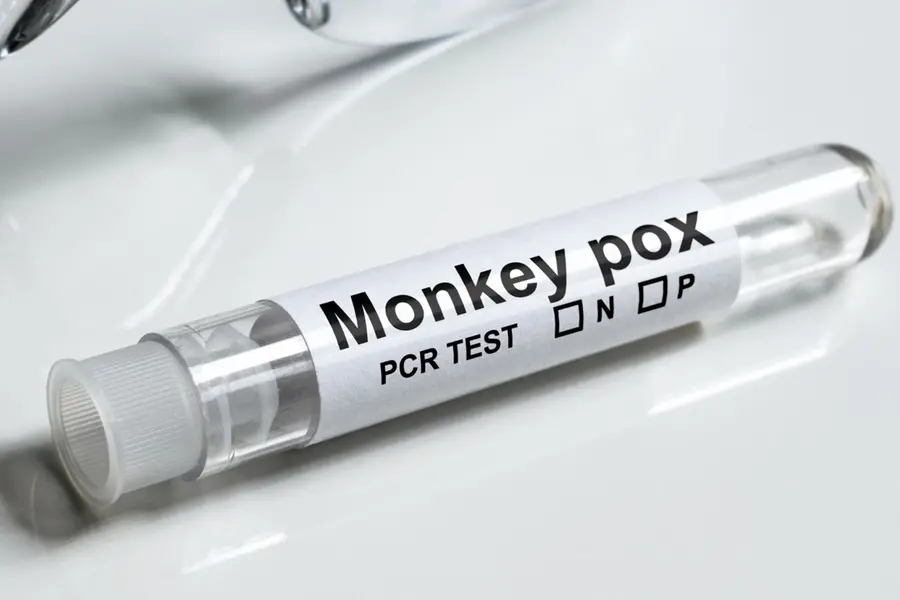
Thiruvananthapuram: The Kerala Health Department has issued an alert across the state in response to global reports of mpox (monkeypox) outbreaks. With the World Health Organisation (WHO) declaring mpox a Public Health Emergency of International Concern (PHEIC) due to its spread in various African regions, Kerala has ramped up its vigilance.
Surveillance teams are now stationed at all airports to screen passengers arriving from affected countries. State Health Minister Veena George stated that anyone coming from regions with mpox cases must undergo airport screening. Should any symptoms be detected, affected individuals will be isolated and treated in accordance with the Standard Operating Procedure (SOP) established by the state government in 2022.
While mpox infections are generally self-limiting and usually resolve within two to four weeks with supportive care, it is transmitted through prolonged and close contact with an infected person. The Health Department has assured that measures are in place to prevent the disease from spreading within the state. The public is encouraged to remain alert and report any unusual symptoms to the health authorities immediately.
In light of the mpox threat, Kerala is maintaining heightened preparedness, and the Health Department is working diligently to ensure the state's safety.
Apart from this, Prime Minister's principal secretary P K Mishra recently chaired a high-level meeting to review preparedness for mpox treatment and to enhance surveillance for early detection of the infection.
What is mpox?
Initially, mpox was a zoonotic disease transmitted from animals to humans. But now it is a direct human-to-human disease. Although less severe, the symptoms of mpox resemble those of smallpox, an orthopoxvirus infection that was declared eradicated worldwide in 1980.
Transmission
Mpox is not an airborne disease like covid or H1N1 influenza. The risk of infection is high through coming face to face with an infected person, direct skin contact, sexual intercourse, touching bedding, clothing, not following safety standards etc.
Symptoms
Initial symptoms include fever, severe headache, swelling of the sinuses, back pain, muscle pain and lack of energy. Blisters and red spots begin to appear on the body within a week of the onset of fever. Most blisters are found on the face and limbs. Apart from this, they are also found on the palms, genitals and eyes.
Safety Measures
People who come into close contact with sick people without using the safety precautions recommended can get mpox. Health care workers caring for patients with suspected or confirmed viral infection and those handling infected person's secretions should take mandatory prescribed infection control precautions to avoid transmission.
A gown, N95 mask, gloves and goggles should be worn when transporting the patient in an ambulance. Along with this, the information should also be informed to the hospital where the patient is taken. The patient should wear N95 mask triple layer mask. If there are wounds, cover them with clothing. Ambulance and equipment should be disinfected after patient delivery. Patient-related items should be disposed of according to guidelines.
(with PTI inputs)
Published: 21 Aug 2024, 07:50 pm IST
Related Topics
Disclaimer: Kindly avoid objectionable, derogatory, unlawful and lewd comments, while responding to reports. Such comments are punishable under cyber laws. Please keep away from personal attacks. The opinions expressed here are the personal opinions of readers and not that of Mathrubhumi.
