
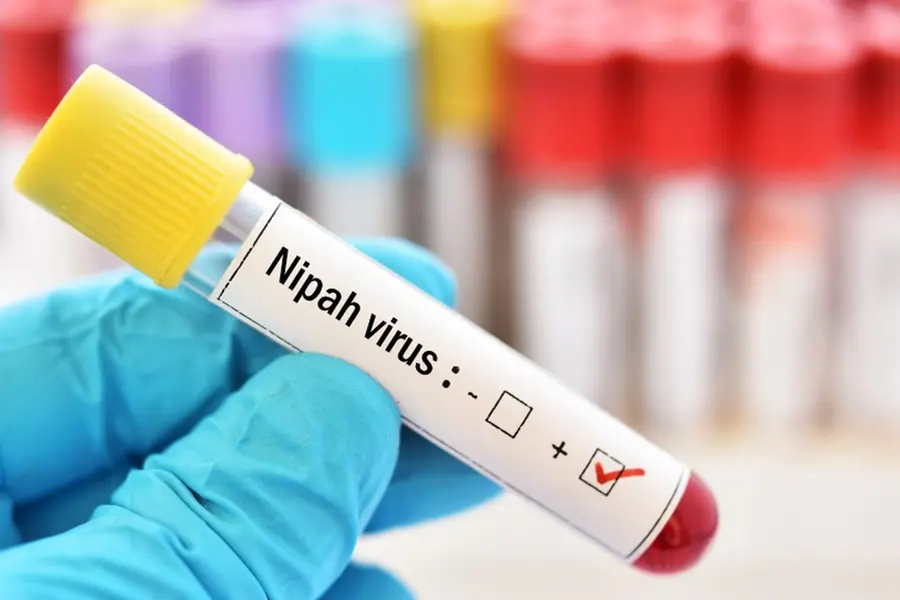
As Kerala faces a renewed threat from the Nipah virus, it is crucial to adopt measured responses to prevent its spread rather than succumbing to panic or misinformation. Understanding the virus and taking immediate steps for medical assistance in suspected cases is vital.
Nipah virus (NiV) is an emerging zoonotic paramyxovirus that causes severe and often fatal disease in both pigs and humans, according to the WHO. The virus is primarily carried by fruit bats of the Pteropodidae family and was first identified during outbreaks in Malaysia and Singapore in 1998-1999.
Signs and symptoms
Human infection typically presents as an encephalitic syndrome characterised by fever, headache, drowsiness, confusion, coma, and potential death. Symptoms generally manifest 5-14 days after exposure to the Nipah virus.
Detection
Nipah virus infection is diagnosed through clinical history and tests during the acute and convalescent phases of the disease. Common tests include real-time polymerase chain reaction (RT-PCR) from bodily fluids and antibody detection via enzyme-linked immunosorbent assay (ELISA). Other methods, such as the polymerase chain reaction (PCR) assay and virus isolation by cell culture, may also be used.
How dangerous is Nipah?
Nipah virus can lead to potentially fatal complications such as encephalitis (brain inflammation) and respiratory illness. Transmission occurs primarily through direct contact with infected bats, pigs, or other infected individuals. Person-to-person transmission has been reported, especially among family members and carers.
Prevention
Precautionary measures to prevent infection include avoiding close contact with infected individuals, wearing NH95-grade masks during close contact, regular handwashing with soap, avoiding consumption of unpasteurized fruit juices or partly eaten fruits, and maintaining personal hygiene and cleanliness in the surroundings. Proper covering of water resources is also advised to prevent contamination.
Published: 20 Jul 2024, 06:55 pm IST
Related Topics
Disclaimer: Kindly avoid objectionable, derogatory, unlawful and lewd comments, while responding to reports. Such comments are punishable under cyber laws. Please keep away from personal attacks. The opinions expressed here are the personal opinions of readers and not that of Mathrubhumi.
