
The NGT has upheld environmental clearance for Great Nicobar mega project, balancing its strategic and economic promise against serious concerns over forests, marine biodiversity and indigenous communities, with strict safeguards and monitoring now mandated.
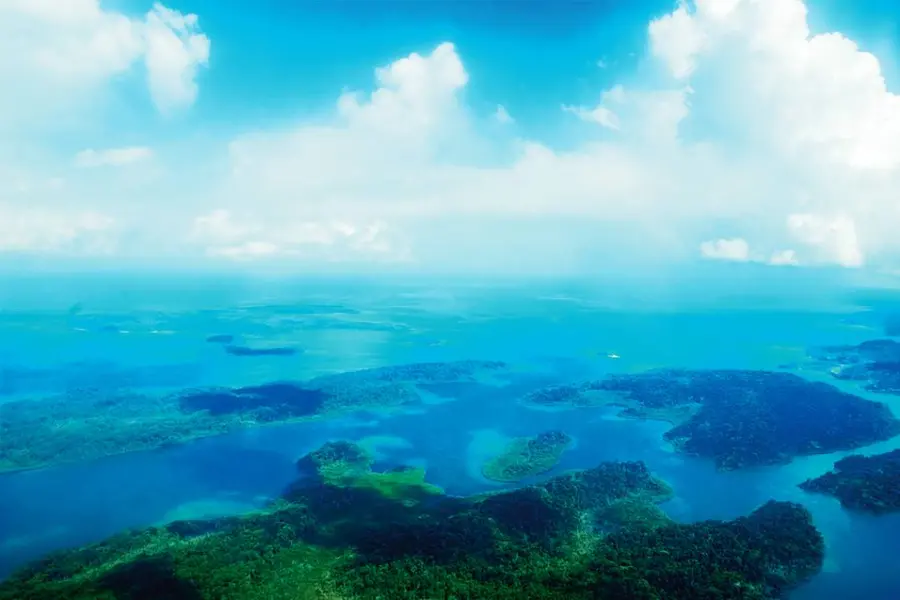
The National Green Tribunal has declined to intervene in the environmental clearance granted to the Great Nicobar mega infrastructure project, rejecting petitions filed by environmental groups.
The tribunal said it could not interfere given the project’s strategic importance.
Planned for Great Nicobar Island, the southernmost part of the Andaman and Nicobar Islands, the project is considered one of the largest infrastructure initiatives in India’s history. It received environmental clearance from the Union Environment Ministry in 2022.
While allowing the project to proceed, the tribunal directed that a high-level committee closely monitor potential impacts on the environment and indigenous communities.
Scale and economic objectives
The project, estimated at around ₹81,000 crore, will cover about 166 sq km. It includes an international container transhipment port, a greenfield airport, a gas and solar power plant, and a township for civil and military use.
Official projections say the project could generate around 128,558 jobs and transform Great Nicobar into a global maritime hub.
Also read | Strategic boost or ecological gamble? Who’s threatened by Great Nicobar project
Strategic and national security significance
The tribunal noted that national security and economic interests were key factors in granting clearance. The island lies just about 40 km from the Malacca Strait, through which nearly one-third of global trade passes.
The project is seen as part of India’s efforts under its “Act East” policy to counter China’s strategic presence in the region. The tribunal observed that excessive technical hurdles should not be raised in matters affecting national security.
Environmental concerns and legal objections
Environmentalists warn that about 130 sq km of forest land will be diverted, potentially leading to the felling of nearly one million trees. They say this could severely affect the habitats of endangered leatherback sea turtles and megapode birds.
Critics also argue that the project area falls within ecologically sensitive CRZ-IA zones under the 2019 Island Coastal Regulation Zone (ICRZ) notification, where development is restricted. Another concern is that the environmental impact assessment relied on data from only one season instead of the recommended three.
Also read | What is the Great Nicobar airport project and why is it controversial?
Marine ecosystem and coral reefs
The government has proposed relocating coral reefs, but environmentalists say such measures could damage marine ecosystems and threaten reef survival. They argue that biodiversity losses in the region may be irreversible despite mitigation plans.
Indigenous communities
Concerns have also been raised about the impact on the Shompen and Nicobarese tribes, whose traditional habitats and livelihoods could be affected by large-scale construction.
Conditions and safeguards
The tribunal accepted the government’s mitigation measures, including plans to establish three wildlife sanctuaries for leatherback turtles, megapodes and coral ecosystems, and to set up research centres in Campbell Bay and Kamorta.
It warned that any violation of ICRZ norms or coastal regulations during construction could invite fresh legal action.
Published: 21 Feb 2026, 09:46 am IST
Related Topics
Disclaimer: Kindly avoid objectionable, derogatory, unlawful and lewd comments, while responding to reports. Such comments are punishable under cyber laws. Please keep away from personal attacks. The opinions expressed here are the personal opinions of readers and not that of Mathrubhumi.
