
Arundhati Roy was born on 24 November 1961 in Shillong and grew up in Ayemenem, in Kerala's Kottayam district
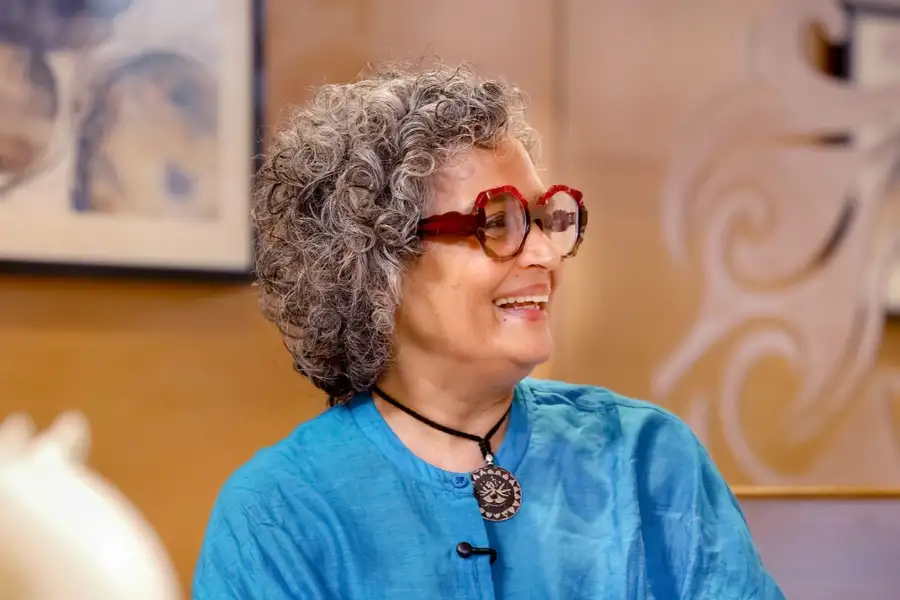
Arundhati Roy turns 65 on November 24, 2026.
From a Booker Prize debut to a prize-winning memoir, the writer's career in a timeline.
Arundhati Roy was born on 24 November 1961 in Shillong and grew up in Ayemenem, in Kerala's Kottayam district. Over the decades she has been a novelist, screenwriter, essayist and one of India's most prominent public intellectuals. Her work has often been celebrated and just as often contested.
Also Read

The early years
1961. Roy is born in Shillong and spends her childhood in Kerala, in a household shaped by her mother, the educator and women's rights campaigner Mary Roy.
1980s. She studies architecture in Delhi. She also works in film, taking a small acting role in Massey Sahib (1985).
1989. She writes the screenplay for In Which Annie Gives It Those Ones, a film about architecture students. It later wins a National Film Award for best screenplay.
1992. She writes the screenplay for Electric Moon.
The breakthrough
1997. The God of Small Things is published, and Roy wins the Booker Prize, becoming the first Indian woman to do so. The Ayemenem novel is translated widely and becomes one of the best-known Indian books in English.
The essayist emerges
1999. She publishes "The Greater Common Good", a critique of large dams on the Narmada. It marks her turn to political writing, which has run alongside her fiction ever since.
2001. The Algebra of Infinite Justice gathers her early essays on dams, nuclear weapons and globalisation.
2000s. Her essays and public interventions bring international recognition, including prizes for cultural freedom and peace work. In 2006 she declines a Sahitya Akademi award.
2011. Walking with the Comrades reports on her time in the forests of central India.
2014. Capitalism: A Ghost Story adds to her body of polemical essays.
The second novel
2017. The Ministry of Utmost Happiness arrives twenty years after her debut. A sprawling novel moving through Delhi and Kashmir, it is longlisted for the Booker Prize.
2019–2020. My Seditious Heart collects two decades of her nonfiction, and Azadi takes up freedom, nationalism and fear.
Recognition and the memoir
2024. Roy receives the PEN Pinter Prize.
2025. She publishes Mother Mary Comes to Me, her first memoir, a complicated portrait of her relationship with her mother.
February 2026. The memoir is longlisted for the Women's Prize for Non-Fiction. The shortlist follows in March, though the June prize went to Lyse Doucet's The Finest Hotel in Kabul.
March 2026. The memoir wins the National Book Critics Circle Award in the Autobiography category in the United States.
2026. Roy remains a vocal public figure. Her decision in February to withdraw from the Berlin Film Festival over jury remarks about the Gaza war was widely reported, and she continues to give interviews and write essays.
Looking ahead
In 2027 The God of Small Things turns thirty. Few debut novels remain in conversation for that long, and Roy's career since has shown that the debut was a beginning, not a peak.
Published: 24 Nov 2026, 08:00 am IST


ABOUT THE AUTHOR
Related Topics
Disclaimer: Kindly avoid objectionable, derogatory, unlawful and lewd comments, while responding to reports. Such comments are punishable under cyber laws. Please keep away from personal attacks. The opinions expressed here are the personal opinions of readers and not that of Mathrubhumi.