
With the paddy planting season approaching, Kerala farmers face severe seed shortages and quality concerns, as delayed supplies from KSSDA disrupt crop schedules.
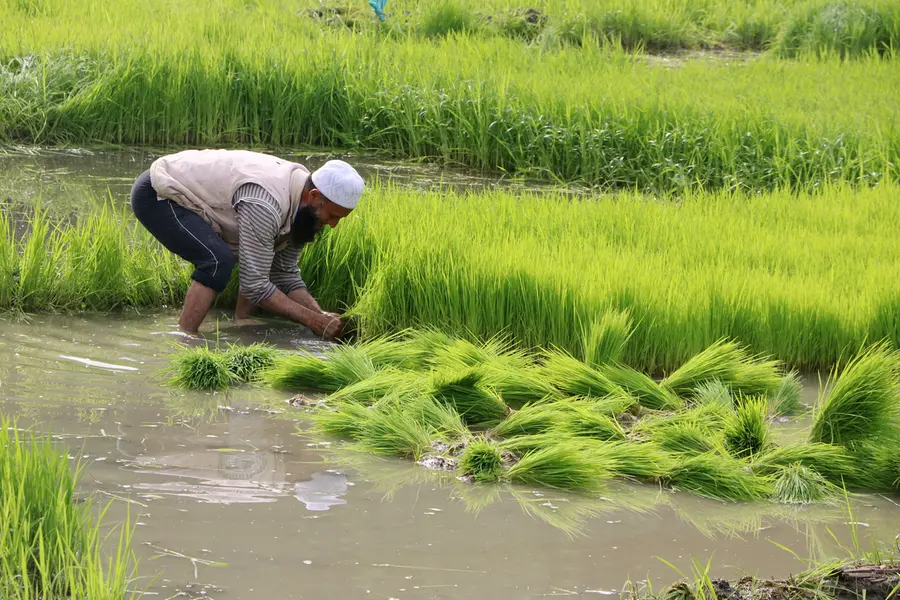
Alathur: With the paddy planting season approaching, farmers in Kerala are facing an acute shortage of quality seeds, raising concerns over crop yield and timely cultivation. Despite the Agriculture Department’s crop calendar recommending paddy preparation between October 11 and 25 and planting between November 5 and 15, many farmers have yet to receive subsidised seeds from the Kerala State Seed Development Authority (KSSDA).
Farmers allege that the seeds distributed through some agricultural centres contain impurities and chaff, forcing them to rely on low-quality or uncertified alternatives. As the second paddy crop’s irrigation depends entirely on canal water, any delay in planting could significantly affect yield.
Agricultural centres are currently offering paddy seeds at ₹30–31 per kilo using subsidies from local bodies, while private agencies are selling them for ₹40–45 without quality assurance. Some small mills and paddy agents are reportedly selling old paddy as seed after removing chaff, leading to fears of contamination.
Although KSSDA storage centres in Kannara, Eruthempathy, and Alappuzha have stock, officials cite distribution and contractor-related issues for the shortage. A legal dispute involving a blacklisted contractor has further delayed the supply process. The crisis is particularly severe in Palakkad, Thrissur, Alappuzha and Kottayam districts, where seed producers also report difficulties storing their harvested seeds.
In one case, a 30-kilogram sack of National Seed Corporation paddy seed distributed to Aishwarya Paddy field through the Kuzhalmannam Krishi Bhavan reportedly contained three kilograms of chaff. Padashekhara Samiti Secretary A Surendran said the chaff was identified during germination tests and returned to the Krishi Bhavan in protest.
Farmers warn that poor seed quality is leading to low germination rates, poor yields, and increased susceptibility to pests and disease. They also report mixing of rice varieties, including up to 20 per cent white rice in red paddy, which has prompted mills handling Supplyco procurement to reject stock in several parts of Palakkad.
Many farmers say their yield has dropped from an expected 2,000 kilograms per acre to 1,200–1,500 kilograms due to poor seed quality and changing weather conditions, further straining the state’s already challenged paddy sector.
Published: 27 Oct 2025, 10:35 am IST
Disclaimer: Kindly avoid objectionable, derogatory, unlawful and lewd comments, while responding to reports. Such comments are punishable under cyber laws. Please keep away from personal attacks. The opinions expressed here are the personal opinions of readers and not that of Mathrubhumi.
