
NCERT has decided not to reprint its Class 9 Arts textbook this academic year despite criticism over a modified image of the Indus Valley Civilisation's famous Dancing Girl sculpture, saying the original image will instead be restored in future editions from the next academic session.
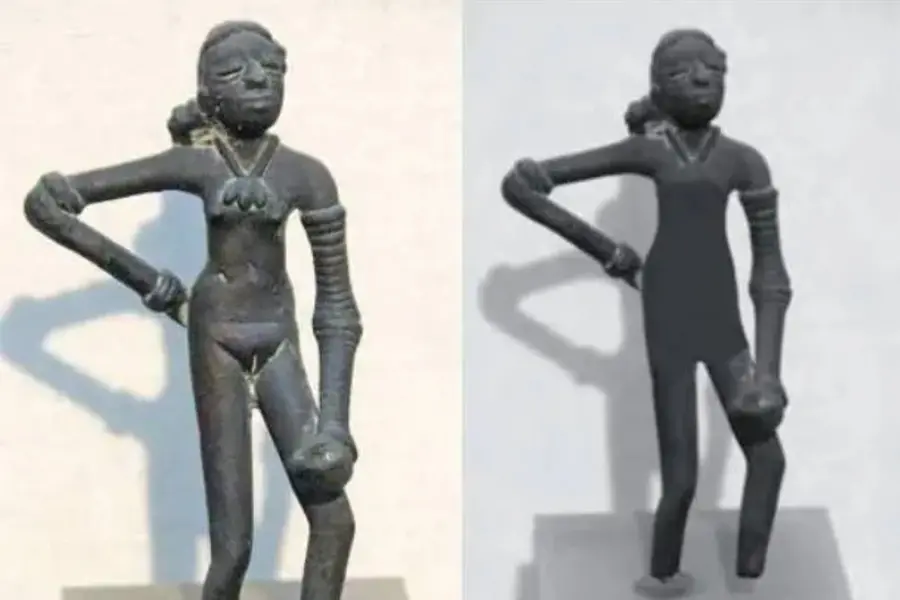
The National Council of Educational Research and Training (NCERT) has decided against reprinting its Class 9 Arts textbook this academic year despite criticism over a modified image of the Indus Valley Civilisation's famous Dancing Girl sculpture. Officials cited logistical challenges and the ongoing academic session as the main reasons for not recalling or reissuing the printed books.
The controversy erupted after the newly introduced Class 9 textbook Madhurima featured an altered depiction of the bronze Dancing Girl figurine from Mohenjo-daro. In the published image, the sculpture's torso appeared shaded, making the ancient artefact look clothed. Historians, archaeologists and education experts criticised the modification, arguing that it distorted a historically significant object.
Also Read

Following the backlash, NCERT reviewed the issue and decided that the original image would be restored. However, authorities said reprinting the books already distributed to schools would be impractical because classes have begun and the textbooks have largely reached students.
Instead, NCERT has updated the digital version of the textbook available on its website and confirmed that future print editions, beginning with the next academic cycle, will carry the original image of the sculpture.
Officials also stressed that there would be no fresh printing of the current edition solely to correct the image. Any new copies printed for future sessions will incorporate the restored artwork.
The issue gained attention amid delays in the distribution of revised Class 9 textbooks. While most updated textbooks had already reached schools, the Arts textbook drew particular scrutiny because of the altered image. Reports also indicated that the Ministry of Education sought an explanation from NCERT after the controversy surfaced in the media.
The Dancing Girl, discovered at Mohenjo-daro and dating to around 2600 BCE, is one of the most iconic artefacts of the Indus Valley Civilisation. The bronze statuette is widely regarded as an important example of early South Asian art and has appeared in educational materials for decades.
NCERT's decision means students using the current year's printed textbooks will continue to see the modified image, while future batches will receive editions containing the original, unaltered depiction of the ancient sculpture.
Published: 17 Jun 2026, 08:14 am IST
Related Topics
Disclaimer: Kindly avoid objectionable, derogatory, unlawful and lewd comments, while responding to reports. Such comments are punishable under cyber laws. Please keep away from personal attacks. The opinions expressed here are the personal opinions of readers and not that of Mathrubhumi.