
CBSE introduces on-screen marking for Class 12 board exams in 2026, shifting evaluation to a faster, transparent digital system.
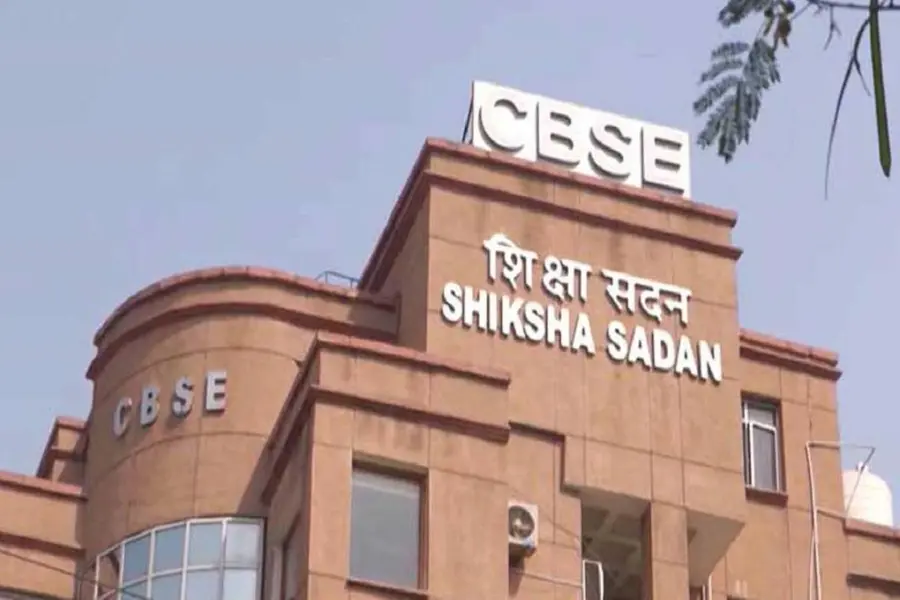
New Delhi: In a major overhaul of its evaluation process, the Central Board of Secondary Education (CBSE) has introduced the On-Screen Marking (OSM) system for Class 12 board examinations starting from the 2026 academic session, marking a shift from traditional manual checking to digital assessment.
The move is aimed at improving transparency, accuracy, and efficiency in the evaluation of answer scripts for one of India’s largest school examination systems.
Under the new system, students will continue to write their exams in the conventional pen-and-paper format.
Also read: CBSE Board Result 2026: Class 10 scores expected by April 14; Class 12 to follow; See where to check
However, once exams conclude, answer sheets will be scanned and uploaded to a secure digital platform, where trained examiners will assess them on-screen instead of physically handling answer booklets.
What changes under the new system:
- Answer sheets will be scanned and converted into digital copies
- Evaluation will be done on-screen instead of manual checking
- Automatic totalling will reduce calculation errors
- Examiners can check copies remotely without physical movement of answer sheets
- Evaluation is expected to be faster, leading to quicker results
- Digital monitoring will improve transparency and accountability.
CBSE officials said the transition to digital evaluation is part of a broader push to modernise examination processes and reduce manual intervention. The system is expected to eliminate common errors such as incorrect totalling of marks, while also speeding up the overall evaluation process.
Another key advantage of OSM is logistical efficiency. Since answer sheets will no longer be transported across evaluation centres, the Board expects to save time and costs while enabling teachers to evaluate copies remotely from their respective schools.
The Board has clarified that this system will be implemented only for Class 12 in 2026, while Class 10 answer sheets will continue to be evaluated through the conventional physical method for now.
To ensure smooth implementation, CBSE has asked affiliated schools to upgrade technical infrastructure, including reliable internet connectivity, computer systems, and necessary software.
Training sessions, mock evaluations, and support systems are also being rolled out to familiarise teachers with the digital platform.
With this shift, the 2026 Class 12 batch becomes the first to have their board exam answer sheets evaluated entirely through a digital system, signalling a new phase in India’s school assessment framework.
Published: 07 Apr 2026, 04:13 pm IST
Related Topics
Disclaimer: Kindly avoid objectionable, derogatory, unlawful and lewd comments, while responding to reports. Such comments are punishable under cyber laws. Please keep away from personal attacks. The opinions expressed here are the personal opinions of readers and not that of Mathrubhumi.
