

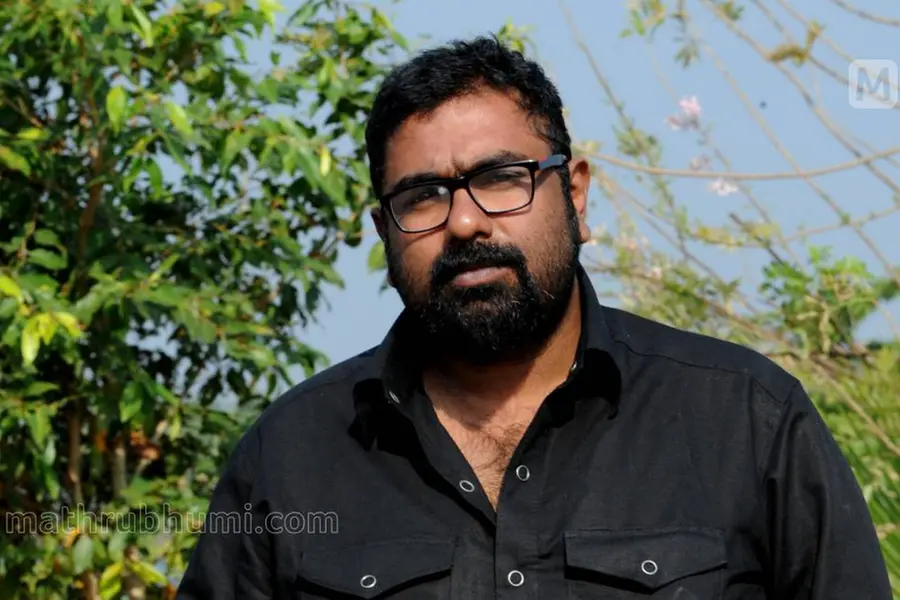
Amal Neerad’s directorial debut with Big B in 2007 marked a pivotal moment in Malayalam cinema, introducing a new wave of filmmaking. Big B was a reimagining of John Singleton’s Four Brothers, which showcased his distinct style and recalibrated the norms of cinematography in Malayalam cinema. Though the cynical Malayalee has always disparaged him for drawing inspiration from other sources, the fact remains that his influence on the industry was undeniable. Be it experimenting with genres and styles or transforming his heroes with spectacular makeovers, he has consistently pushed boundaries. Here’s a list of some of my favourite Amal Neerad characters.
Bilal (Big B): Amal presents his first hero Bilal John Kurishingal (Mammootty) as a larger-than-life figure, evoking the legend of the Phantom. The aura surrounding Bilal is built up through lofty tributes from the onlookers, generating immense anticipation. So by the time he alights from an SUV, in the backdrop of a roaring BGM and rain, his inimitability is already palpable. Bilal draws parallels with the Phantom’s formidability, echoing the iconic “old jungle sayings” that underscore his invincibility (when the Phantom moves, the time stands still, and nobody argues with the Phantom and wins). But unlike the Phantom who was an affable family man, Bilal is a loner. An orphan adopted by Mary Teacher, except for his special bond with the teacher, he remains a recluse. Yet with his adopted brothers, he maintains a deep affinity and would go to great lengths for their well-being. The Bilal paradox lies in his unreadable nature which co-exists with his hugely reassuring presence on screen. Then of course there is Mammootty who embodies Bilal’s enigma with his cold, inscrutable gaze, towering screen presence, and laconic one-liners, thereby crafting one of his most intriguing and exciting characters on screen
Also Read
Micheal (Bheeshma Parvam): Perhaps a young Bilal might have been fascinated by the legend of Micheal Anjootti, a Godfatherisque figure in his hometown. Set in the 80s of Fort Kochi, Bheeshma Parvam’s Micheal is the unchallenged patriarch of the Anjootty family. When he is forced to take over the reins, it also leads to simmering tension within his family, with many harbouring animosity against his one-upmanship but too weak to challenge him. For all his messiah image, Micheal doesn’t flinch in routing the ones who stand in his way, even if they share his blood. Micheal (a quietly powerful Mammootty) has shades of Bheeshma Pitamah and Vito Corleone, thereby rendering him a compelling force of nature.
Abin (Varathan): Abin (Fahadh Faasil) is Amal’s most unlikely hero to date. He defies traditional notions of masculinity, eschewing outward machismo for a more subdued and vulnerable demeanor. When sacked from his Dubai job, he relocates to his wife’s ancestral home in Kerala. At home, they cultivate a space of equality, sharing household chores. Abin’s lack of aggression at times puts him at odds with his wife due to her societal conditioning. There’s a nice stretch when his mom-in-law slyly mocks his unemployment and though he remains silent, the hurt is palpable on his face and Fahadh beautifully captures the emotional depth of the scene. Even the final payoff is more cerebral and thoughtful, aligning with Abin’s persona than a mindless show of machismo.
Reethu (Bougainvillea): Everything about Reethu’s (superlative Jyrothirmayi) fragility looks palpable. Her retrograde amnesia has rendered her incapacitated to deal with the world around her. She furiously paints bougainvillea clusters all day, drifts into bouts of rage and howls, and is helplessly dependent on her spouse (Kunchacko Boban). She has haunting hallucinations of having children in her house and this pervasive confusion adds to her distress. But all along, we can sense treachery lurking, fostering an odd kinship with this tortured soul who is battling to stay sane. But once we realize her devastating reality is when Reethu really takes shape in front of you—her pain, vulnerability, and years of abuse have left her unable to react or stand up for herself. In hindsight, Reethu’s story serves as a poignant reminder of the many women trapped in cycles of systematic abuse, unable to flee
Anjootti Peter (Bheeshma Parvam): Peter embodies the very traits his Uncle the formidable Michael Anjootty despises: reckless, greedy, entitled, and arrogant. Though he despises Michael’s authority, Peter is too cowardly to confront him. So he takes the easier route—he alliances with Michael’s enemies to overthrow him. Then there are his darker tendencies: he is an abusive spouse, snorts cocaine, squanders the family wealth, and openly makes passes at his film’s hero. Shine Tom Chacko imbibes Peter with such a maniacal intensity that every time he comes on screen, fireworks seem to erupt. Be it his slinky dance step, urging the hero to mimic it with a playful butt slap, or his gaze unbridled with lust at the male dancer, Peter will probably be remembered as an interesting representation of gay desire on screen.
Angoor Rawther (Iyobinte Pustakam): Amal’s antagonists are seldom one-note, often rivalling the complexity (and style) of the hero’s narrative. Everything about Angoor Rawther (Jayasurya) emits an understated menace, from his Sufi cap, pointed shoes, and the black bandhgala to his sly golden tooth. In his first interaction with Iyob (Lal), Rawther begins genially, hoping for a trade transaction but Iyob’s casual dismissal slowly wipes the smile off his face, foreshadowing his unravelling. When he proceeds to exit, Rawther glances at Iyob and very calmly lets him know that he killed his father, leaving Iyob momentarily shaken. That moment is as much a startling revelation for Iyob as well as the audience, setting the tone for his complex and intimidating arc.
Josey (Varathan): Josey K Baby’s (Sharafudeen) slow-mo entrance on a bike exudes an air of unease, hinting at the trouble he can unleash. He is that spoilt rich brat who seems to have a history of predatory behaviour, especially towards Priya (Aishwarya Lekshmy), right from their school days. That perversion is evident in how he recounts their school bus journey to his brothers with a vicarious thrill. There is nothing more unsettling than to witness Josy eyeing Priya, with a slow smile, that conveys a visceral invasion of her personal space. For the actor, it remains a significant departure from his previous roles. What makes Josey interesting is that in retrospect he is that guy you have always been instinctively wary of in your neighbourhood. However, the narrative brushes Josey with darker strokes, adding depth to his menace.
Published: 30 Nov 2024, 09:20 am IST
ABOUT THE AUTHOR
Related Topics
Disclaimer: Kindly avoid objectionable, derogatory, unlawful and lewd comments, while responding to reports. Such comments are punishable under cyber laws. Please keep away from personal attacks. The opinions expressed here are the personal opinions of readers and not that of Mathrubhumi.