
Though some uncertainty exists for older models, no widespread E20-related failures have been reported
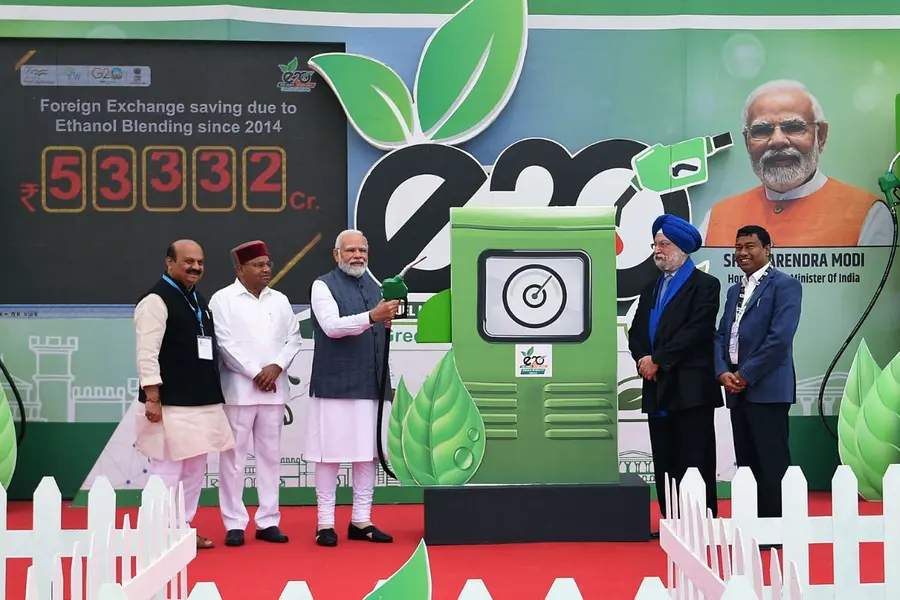
In a major clarification addressing consumer concerns, both the Indian government and top automotive industry bodies have stated that vehicle warranties remain valid even when using E20 fuel (20% ethanol-blended petrol). This update comes as India moves forward with the nationwide rollout of E20 petrol and ahead of an upcoming Supreme Court hearing on the country’s ethanol-blending policy.
Government and Industry Panel Assurance
A senior panel comprising representatives from automakers, oil companies, and the Automotive Research Association of India (ARAI) jointly stated that there will be “no change in warranty applicability” for cars compatible with E20 fuel. According to the industry, all cars manufactured in India since January 1, 2009, are materially compatible with E20, while models produced since February 2025 are fully E20 compliant. Several manufacturers, including Honda, Toyota, Volkswagen, Skoda, Tata Motors, Mahindra, Hyundai, and Nissan, have affirmed that material-compliant vehicles will continue to receive full warranty support, and E20 usage will not impact the validity of their existing warranties.
Clarity on Older and Imported Vehicles
Manufacturers highlighted that while most modern vehicles are material compliant or fully E20 compatible, some ambiguity remains for older models and vehicles made before 2009, especially those out of production. For such cases, companies recommend consulting authorised service centres. However, manufacturers and the government emphasised that so far, there have been no widespread reports of vehicle failures directly linked to E20 use in eligible vehicles, and consumer support channels remain open for doubts or complaints.
Mileage Impact and Policy Rationale
While the government acknowledged a potential drop of 2–6% in mileage due to ethanol's lower energy density compared to pure petrol, industry participants argue this decrease is marginal and outweighed by benefits such as reduced crude oil imports, enhanced farmer incomes, and lower carbon emissions. E20-compatible vehicles' durability and reliability have been confirmed by ARAI testing and automaker reviews, though more transparency was requested from consumer groups regarding long-term data on older models.
Communication and Next Steps
Authorities and auto companies are prioritising greater transparency and direct consumer communication about both warranty coverage and the technical implications of E20 usage. As India continues its shift toward cleaner fuels and higher ethanol blends, the reassurance on warranty coverage is expected to ease concerns among vehicle owners transitioning to E20 petrol. The Supreme Court of India is scheduled to hear the public interest litigation (PIL) challenging the government’s E20 fuel policy on September 1, 2025.
Published: 01 Sept 2025, 09:24 am IST
Related Topics
Disclaimer: Kindly avoid objectionable, derogatory, unlawful and lewd comments, while responding to reports. Such comments are punishable under cyber laws. Please keep away from personal attacks. The opinions expressed here are the personal opinions of readers and not that of Mathrubhumi.
