ISRO begins countdown for first Indian imaging satellite from geosynchronous orbit
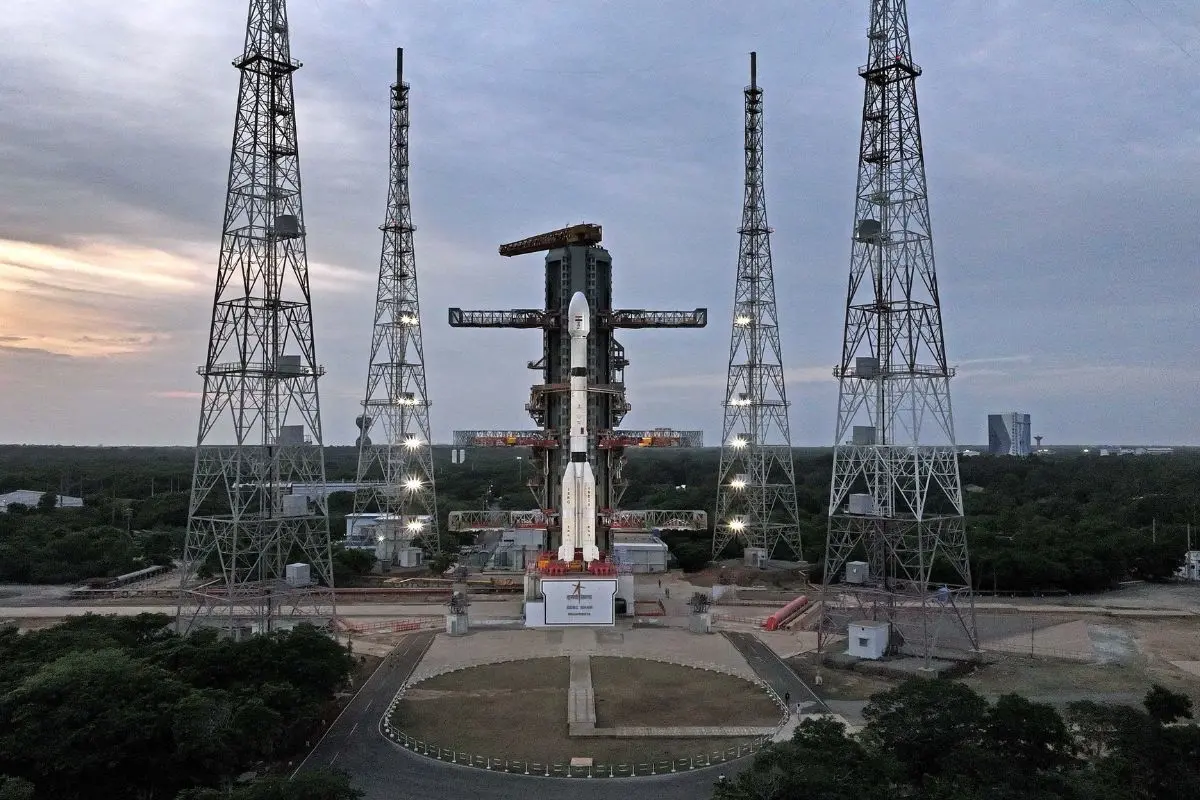
Chennai: The Indian Space Research Organisation (ISRO) has begun the countdown for the launch of an advanced Earth observation satellite, which will be the country’s first imaging satellite to be placed in a geosynchronous orbit, official sources said.
The 27-hour countdown for the GSLV-F17/EOS-05 mission began at 11.30 pm on Wednesday. The 51.7-metre-tall Geosynchronous Satellite Launch Vehicle (GSLV) is scheduled to lift off at 2.55 am on September 4 from the second launch pad at the Satish Dhawan Space Centre in Sriharikota, around 135 km from Chennai.
According to ISRO, the GSLV-F17 mission will mark the 19th flight of India's GSLV.
The pre-dawn launch will be ISRO's first launch in nearly eight months, following a setback earlier this year.
On January 12, the PSLV-C62 rocket, carrying 16 satellites, failed to place them in their intended orbits after an anomaly was detected in the rocket's critical third stage. It was ISRO's only launch of the year so far and ended unsuccessfully.
The setback came after another failed mission in May 2025, when the PSLV-C61 carrying the EOS-09 satellite could not complete its mission due to a reported motor pressure issue. A fall in chamber pressure was observed in the motor case.
The upcoming GSLV-F17/EOS-05 mission therefore assumes significance as ISRO seeks to resume its launch programme following the two recent PSLV setbacks.