Trump’s Iran frustration reaches US military drills in Korea
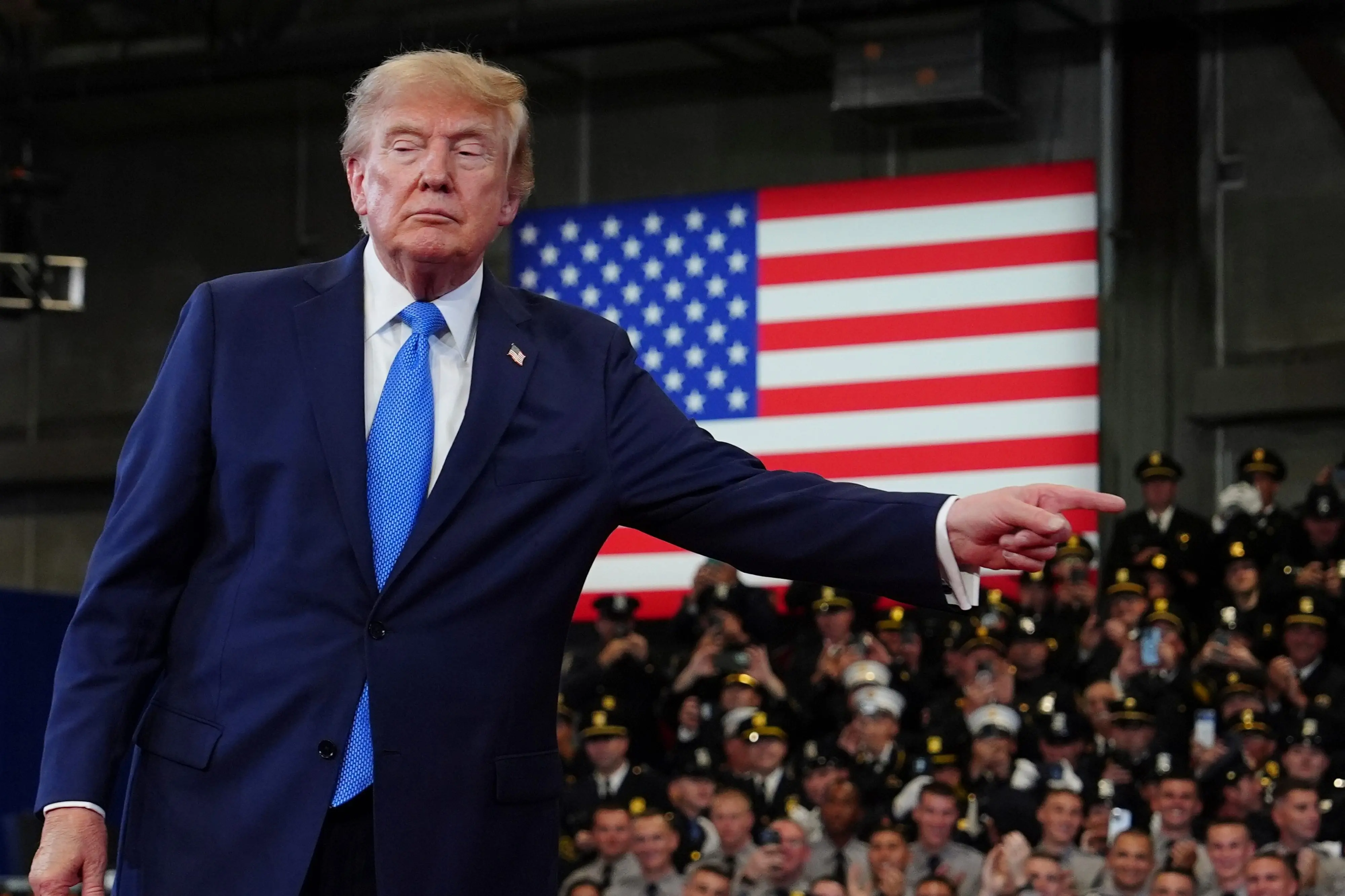
US President Donald Trump has ordered a substantial reduction in joint military exercises with South Korea, linking the decision to Seoul's refusal to join US efforts to denuclearise Iran and citing his relationship with North Korean leader Kim Jong Un.
US President Donald Trump said he had instructed the Pentagon to substantially reduce joint military exercises with South Korea, days before the annual Ulchi Freedom Shield drills were due to begin.
In a post on Truth Social, Trump said he had recently asked South Korean President Lee Jae Myung whether Seoul wanted to join the US in the “Denuclearisation of the Islamic Republic of Iran”. According to Trump, South Korea responded, “No thanks!”
Trump linked Seoul's decision to his instruction to scale back the exercises. He said it was already too late to cancel the drills entirely, which were scheduled for August 17 to 27.
The US president also cited his “very good relationship” with North Korean leader Kim Jong Un. He argued that the exercises were costly and sent what he described as an inappropriate and hostile signal to Pyongyang.
South Korea, however, said the exercises with the US would proceed as scheduled.
The Ulchi Freedom Shield exercises are expected to involve about 18,000 South Korean troops, while around 28,500 US military personnel are stationed in South Korea. US and South Korean military officials had previously said this year's drills would be similar in scale to previous exercises.
North Korea has strongly opposed the drills, describing them as a rehearsal for an aggressive war. Pyongyang has also continued developing its nuclear and missile capabilities and conducted ballistic missile tests in August.
Trump's comments come amid the ongoing US-Israeli conflict with Iran and Washington's efforts to secure support from allies for its pressure campaign against Tehran's nuclear programme.
Why the move matters
Trump's decision revives a policy seen during his first presidency, when the US suspended major military exercises with South Korea in 2018 amid diplomatic engagement with Kim Jong Un. The exercises were later scaled back again during the Covid-19 pandemic.
The latest announcement also highlights tensions over how US allies should respond to the conflict with Iran. Trump's remarks suggest that he expects partners to contribute more directly to US-led efforts, while countries such as South Korea have so far maintained their own positions on military involvement.
For Seoul, the US military presence and joint exercises remain central to deterring North Korea. Any significant reduction could therefore affect the security relationship between Washington and Seoul, particularly as Pyongyang continues its nuclear and missile programmes.
The announcement also comes shortly after South Korea's president proposed talks with North Korea aimed at formally ending the Korean War, which technically remains unresolved because the 1953 armistice was never replaced by a peace treaty.