Missiles, drones and a new Red Sea crisis: Houthis escalate fight with Saudi Arabia
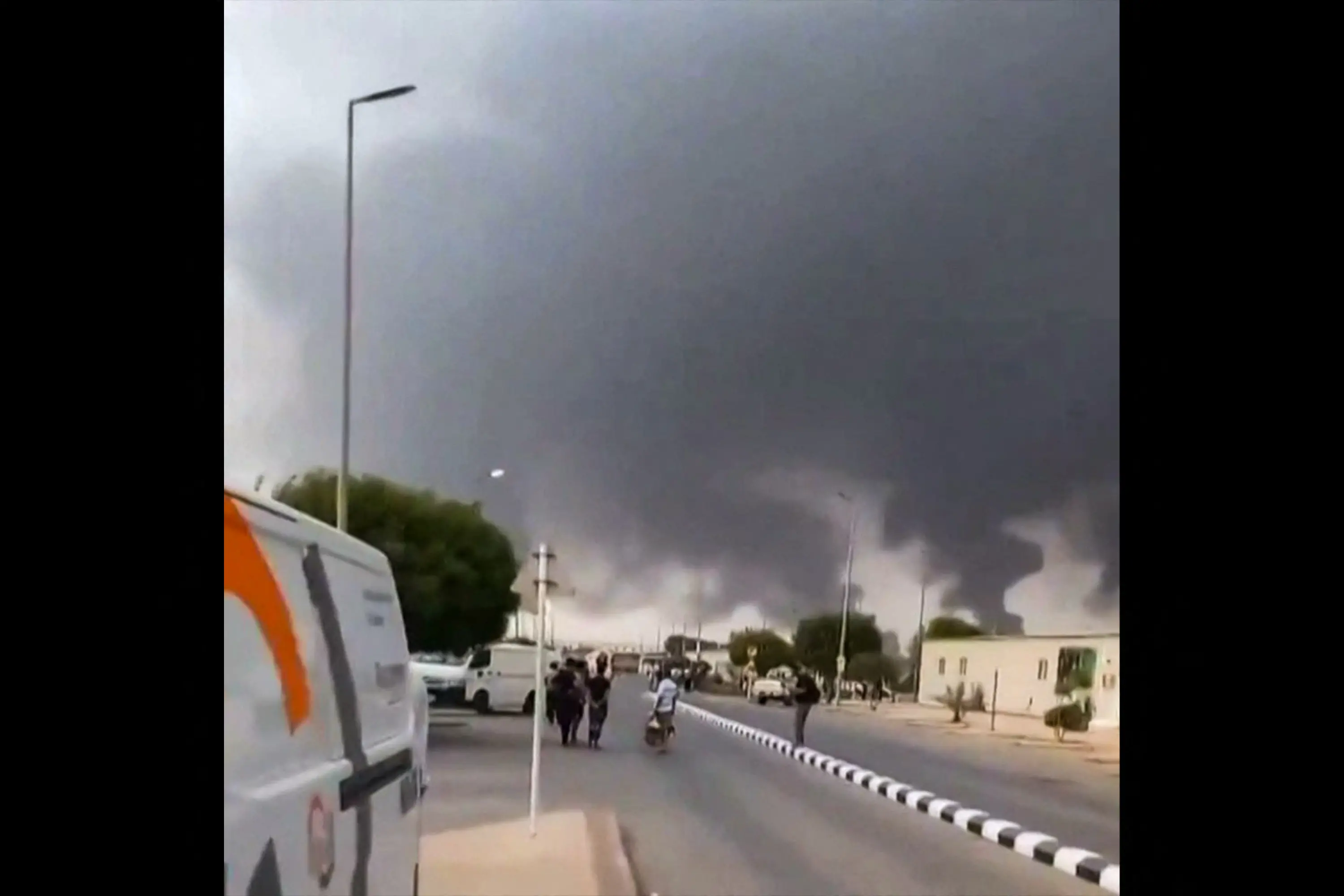
Jeddah: Iran-backed Houthi rebels said they launched missiles and drones targeting Saudi Arabia on Saturday in retaliation for Saudi airstrikes on the strategic Yemeni port city of Hodeida.
Houthi military spokesperson Brigadier General Yahya Saree said the attack targeted facilities linked to Saudi oil giant Aramco in the Red Sea cities of Yanbu and Jizan. Saudi Arabia's civil defence authorities reported multiple alerts in the two cities but did not provide further details about any damage.
The latest escalation comes amid growing tensions across the Middle East, with regional powers competing for influence over key maritime routes and the United States and Iran facing renewed confrontation.
Saudi strikes on Hodeida trigger retaliation
The Houthi attack followed Saudi-led coalition strikes on Hodeida, a strategically important Red Sea city in Yemen.
According to Houthi officials, the strikes hit the port area and a state-run telecommunications facility, injuring two people. The Saudi-led coalition denied targeting the port directly, saying it had struck military sites in Hodeida province linked to threats against commercial vessels operating in the Red Sea.
The escalation follows Houthi attacks on two Saudi oil tankers in the Red Sea earlier in the week.
Red Sea shipping faces fresh risks
The latest confrontation has increased concerns over the safety of one of the world's most important maritime trade routes.
The Houthis have warned that they could restrict Saudi-linked shipping through the Bab el-Mandeb Strait, a narrow waterway connecting the Red Sea and the Gulf of Aden.
The strait is a major global trade route, with around 12% of global trade and a significant share of container traffic passing through the area. Any disruption could affect international shipping, energy supplies and global markets.
Iran calls for diplomacy amid rising tensions
Iranian Foreign Minister Abbas Araghchi called for dialogue to resolve the Yemen conflict and warned against further military escalation.
In an interview published by Iran's state-run media, Araghchi said diplomatic efforts were needed instead of continued confrontation.
Iran has long been accused by Saudi Arabia and Western countries of supporting the Houthis, while Tehran denies directing Houthi military operations.
US-Iran tensions add to regional instability
The latest Red Sea escalation comes as tensions remain high between the United States and Iran.
After weeks of conflict involving US and Israeli strikes on Iran and retaliatory attacks, the region has seen increasing military activity around key waterways, including the Strait of Hormuz.
The US military had earlier accused Iran of targeting ships in the region and responded with strikes on Iranian positions. Iran later launched attacks against US-allied Gulf countries.
Although no new strikes were reported overnight in Iran, officials warned that tensions remained high.
Global concerns over energy and trade routes
The Red Sea and Strait of Hormuz remain critical points for international energy and commercial shipping.
Any prolonged disruption could affect oil shipments, supply chains and trade routes connecting Asia, Europe and the Middle East.
With multiple conflicts overlapping across the region, including tensions involving Iran, Israel, Saudi Arabia and Yemen's Houthis, international efforts are focused on preventing further escalation.
What happens next?
The situation remains uncertain as both sides continue issuing warnings and carrying out military actions.
Saudi Arabia and its allies are expected to monitor further Houthi activity, while the Houthis have indicated that attacks linked to Red Sea shipping and regional military operations could continue.
Diplomatic efforts, including calls from Iran for negotiations, may increase as fears grow over a wider regional conflict affecting global trade routes.