
Houthi rebels claim attacks on Saudi oil tankers in the Red Sea as US-Iran tensions escalate, threatening shipping routes, energy supplies and regional stability.
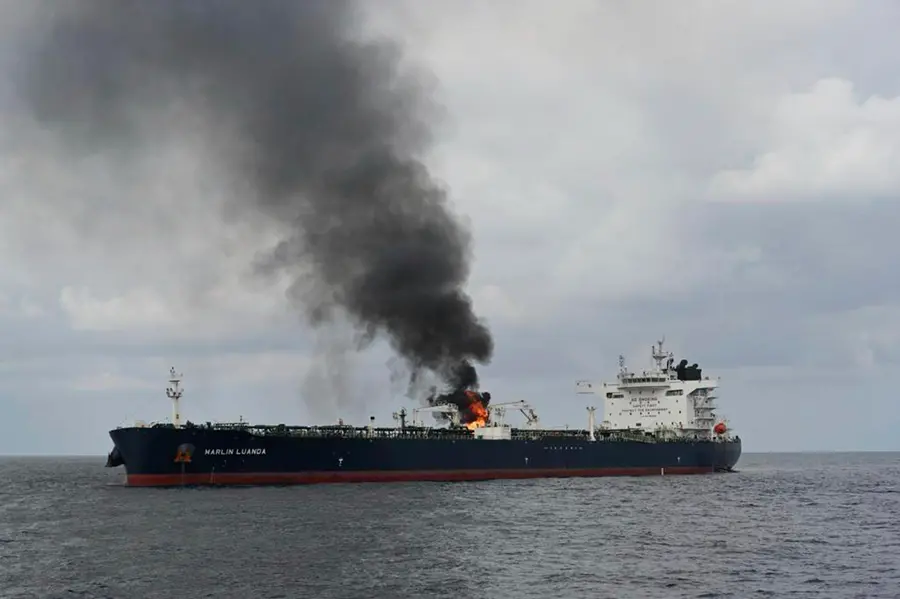
Jeddah: The conflict between the United States and Iran expanded into another critical maritime zone after Yemen's Iran-backed Houthi rebels claimed they attacked two Saudi oil tankers in the Red Sea. The strikes came as the US continued its military operations against Iran for a 12th consecutive night, raising concerns over the security of key global trade routes.
The reported Houthi attacks have increased pressure on shipping lanes already facing disruption due to tensions around the Strait of Hormuz, one of the world's most important energy routes. Regional diplomatic efforts involving Gulf countries, Pakistan and Turkiye have so far failed to produce a clear path towards de-escalation.
Also Read

Houthi rebels claim attacks on Saudi tankers
The Houthi-controlled SABA news agency reported that the group targeted two Saudi-linked vessels, the Encelia and Layla, in the Red Sea, causing fires on both ships.
If confirmed, the attacks would mark the first reported strike on commercial shipping since the Houthis announced a blockade targeting Saudi-linked vessels passing through the Bab el-Mandeb Strait.
The Houthis said the action was in retaliation for what they described as a Saudi blockade against Yemen and a recent attack on Sanaa's international airport, which is controlled by the rebels.
Saudi Arabia's state-run media reported that the Encelia was attacked and caught fire but said there were no casualties. It did not provide details about the second vessel.
The United Kingdom Maritime Trade Operations Centre also reported that a tanker had been struck by an unknown projectile approximately 70 nautical miles southwest of Al Shuqaiq, Saudi Arabia, with no casualties reported.
Red Sea shipping route faces fresh risks
The Bab el-Mandeb Strait, located between Yemen and the Horn of Africa, is one of the world's most important maritime chokepoints. Around 12% of global trade passes through the Red Sea route, making any disruption a concern for international shipping and energy markets.
The latest attacks have raised fears that the conflict could spread beyond direct US-Iran confrontation and impact commercial vessels operating in surrounding waters.
US Secretary of State Marco Rubio said he hoped the Houthis would step back from further escalation, accusing Iran of influencing the group's actions.
US continues strikes on Iran
The Houthi attacks came as the US continued strikes against Iran, with American officials saying the operations were aimed at reducing Tehran's ability to threaten civilian shipping and commercial vessels in regional waters.
US President Donald Trump warned that American forces would target Iranian infrastructure if Iran continued attacking ships in the Strait of Hormuz.
The US and Iran have hardened their positions over control of the strategic waterway, through which a significant portion of global oil and gas supplies move during normal conditions.
Iran warns of stronger response
Iranian officials have maintained that Tehran has the right to manage activity in the Strait of Hormuz and have suggested that shipping conditions would not return to the situation before the conflict.
Iranian Foreign Minister Seyed Abbas Araghchi said Tehran would follow an "eye for an eye" defence approach.
Iranian state media reported that US strikes hit areas near Ahvaz, Ramshir and Andimeshk, while claiming casualties from a missile strike near Shalamcheh on the Iraqi border.
Iran has also responded by targeting energy-related infrastructure and desalination facilities in neighbouring Gulf countries, increasing concerns about regional stability.
Gulf countries report missile and drone threats
Several Gulf nations reported heightened security alerts amid the escalating confrontation.
Jordan said its military intercepted missiles and drones, while Bahrain issued safety warnings after air raid sirens sounded.
Kuwait's military said its air defence systems were responding to hostile drone attacks.
The incidents have increased fears that countries across the Gulf region could become directly affected by the widening conflict.
Diplomatic efforts struggle to make progress
Pakistan has emerged as one of the countries attempting to mediate between Washington and Tehran. Iranian Interior Minister Eskandar Momeni visited Pakistan as part of efforts to revive diplomatic channels.
Pakistan's Foreign Minister Ishaq Dar urged both sides to show restraint, honour commitments and pursue peaceful engagement.
However, regional officials have expressed growing pessimism, with diplomats suggesting that chances of immediate improvement remain limited.
Strait of Hormuz remains central to conflict
The Strait of Hormuz has become one of the main flashpoints in the US-Iran confrontation. Iran has argued that it has the authority to regulate traffic through the waterway, while the US has opposed any restrictions on international shipping.
The US has increased military pressure on Iran, while Tehran has warned that the strait's future cannot return to its previous status.
With attacks spreading from Iranian territory to the Red Sea and commercial shipping routes, the conflict has entered a more dangerous phase, creating uncertainty for global trade, energy markets and regional security.
Published: 23 Jul 2026, 05:32 pm IST
ABOUT THE AUTHOR
Disclaimer: Kindly avoid objectionable, derogatory, unlawful and lewd comments, while responding to reports. Such comments are punishable under cyber laws. Please keep away from personal attacks. The opinions expressed here are the personal opinions of readers and not that of Mathrubhumi.